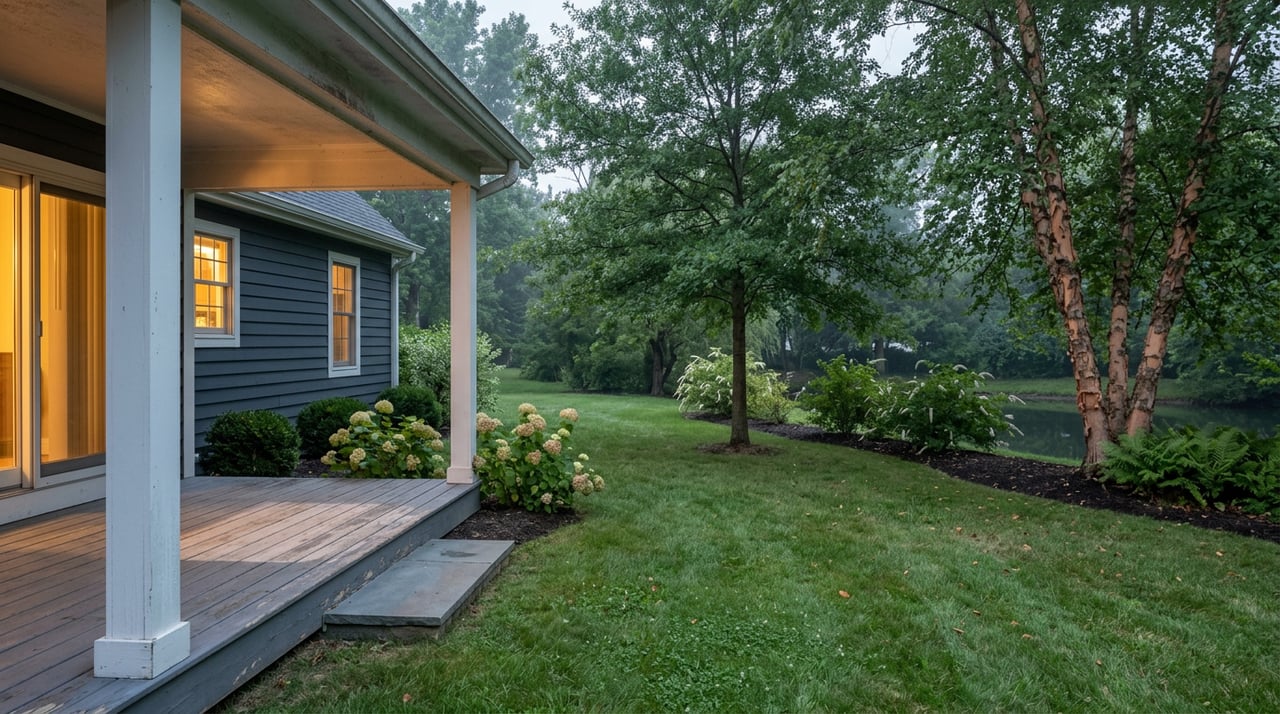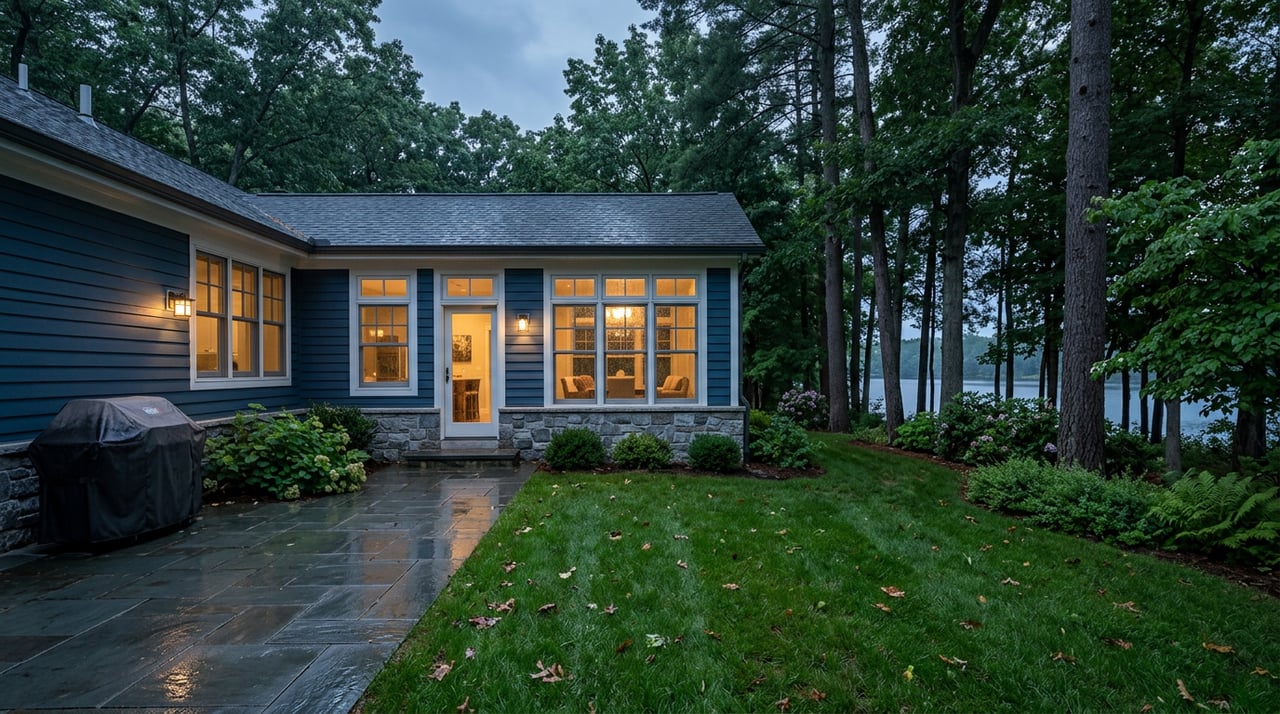
Ever imagine launching a kayak from your own backyard or sipping coffee while the lake wakes up around you? If you are exploring Medford’s lake neighborhoods, you are not alone. These communities offer a rare blend of Pinelands scenery, private beaches, and neighborly events, but they also come with unique rules, dues, and due diligence. In this guide, you will learn how Medford’s lake communities work, what to ask before you buy, and what to budget so you can move forward with confidence. Let’s dive in.
What lake living means in Medford
Medford Township and the small borough of Medford Lakes sit within the New Jersey Pinelands National Reserve. That setting is part of the appeal, and it also shapes what you can do on and near the water. Township planning and Pinelands rules influence shoreline projects, stormwater, and some permits. If you are thinking about future changes to a property, review local guidance early to avoid surprises. You can find helpful context in the Township’s planning materials that reference Pinelands-related constraints on land use and environmental review.
Lake communities here blend residential streets with privately managed lakes, beaches, and dams. Expect organized amenities and seasonal rhythms like beach openings, lifeguard hours, and guest wristbands. Communities such as Birchwood Lakes describe beach access, safety staffing, and guest policies that keep the lakes enjoyable for everyone. You get a lifestyle centered on the water and the woods, with the understanding that shared amenities require shared stewardship.
- Learn more about flood preparation and maps on the Township’s FEMA information page: Medford Township flood information
- See an example of a local lake club’s rules and community life: Birchwood Lakes welcome page
How communities are governed
Medford’s lake neighborhoods are organized in two main ways:
- Member-run clubs or colonies. Older lake enclaves often operate as nonprofit clubs that own and manage common areas like lakes, dams, beaches, and clubhouses. For example, the Birchwood Lakes Colony Club bylaws spell out membership, annual dues, privileges, and the club’s responsibility for lake and dam care. Read those documents closely so you understand what you are joining.
- Formal HOAs or condo associations. Newer subdivisions may use a more traditional HOA structure with declarations, covenants, and regular dues. In New Jersey, common-interest communities are shaped by laws like PREDFDA and the Condominium Act, which affect what sellers disclose and what buyers can request during a resale.
Useful references:
- Overview of NJ common-interest community rules: HOPB on New Jersey
- Example of a local colony club’s bylaws and responsibilities: Birchwood Lakes bylaws
What to request upfront
Ask for the community’s resale documents as early as possible so you can evaluate financial health and rules. In New Jersey, you can and should request:
- The resale certificate or package, which compiles key community information. See what to expect in a resale packet: FirstService Residential’s guide
- Governing documents: declaration, covenants, bylaws, and current rules.
- The current budget, year-to-date financials, and the latest reserve study if one exists. The HOPB overview above explains the legal framework for these disclosures.
- Recent board minutes, special assessment history, and insurance certificates for the association’s master policy.
Home types and price patterns
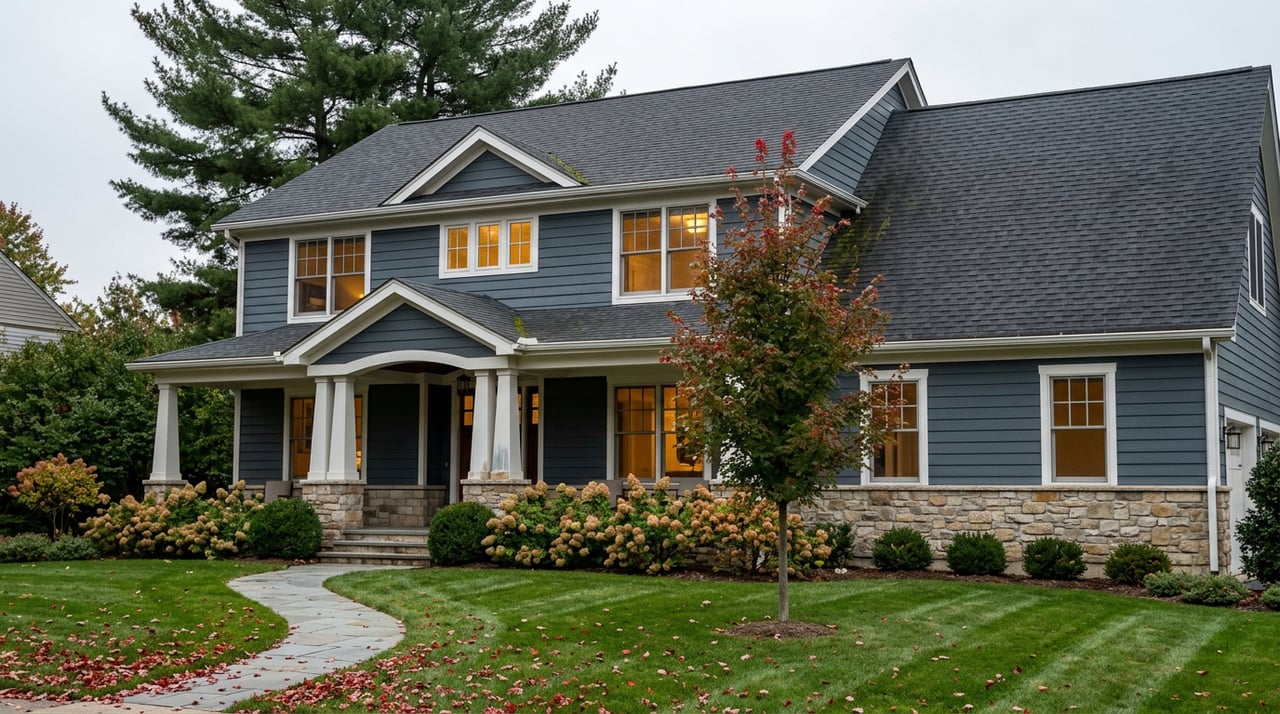
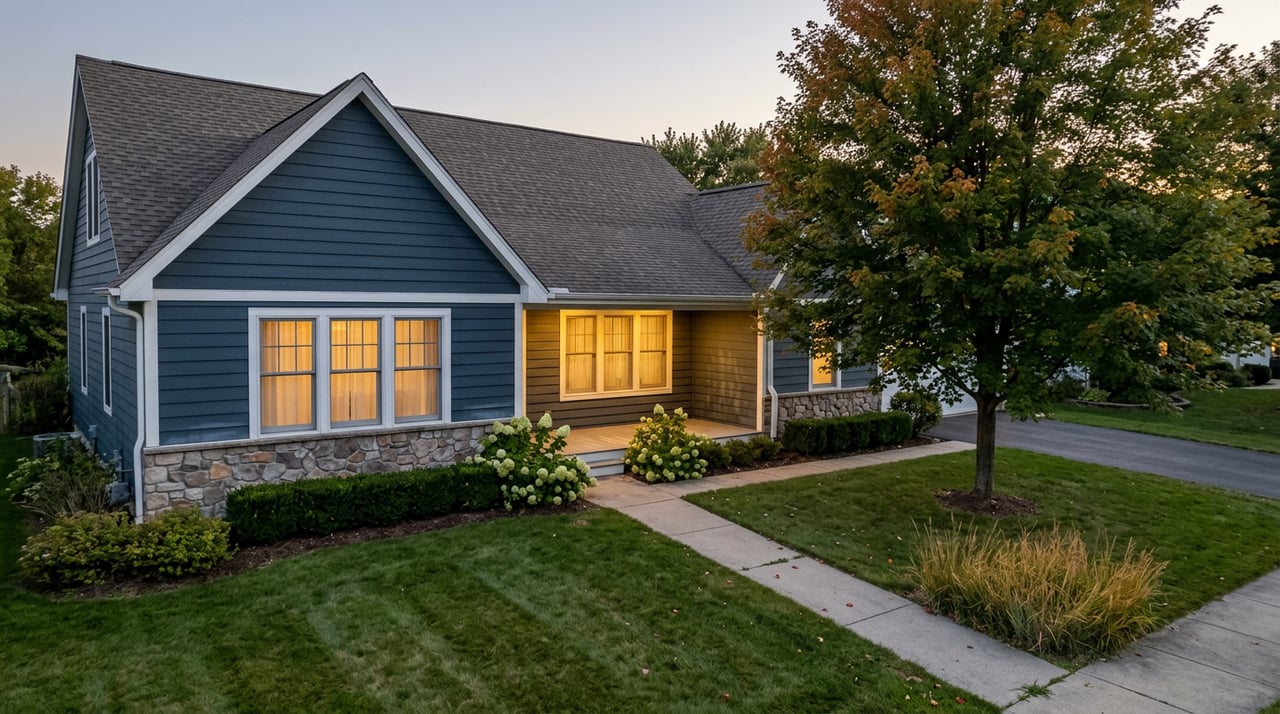
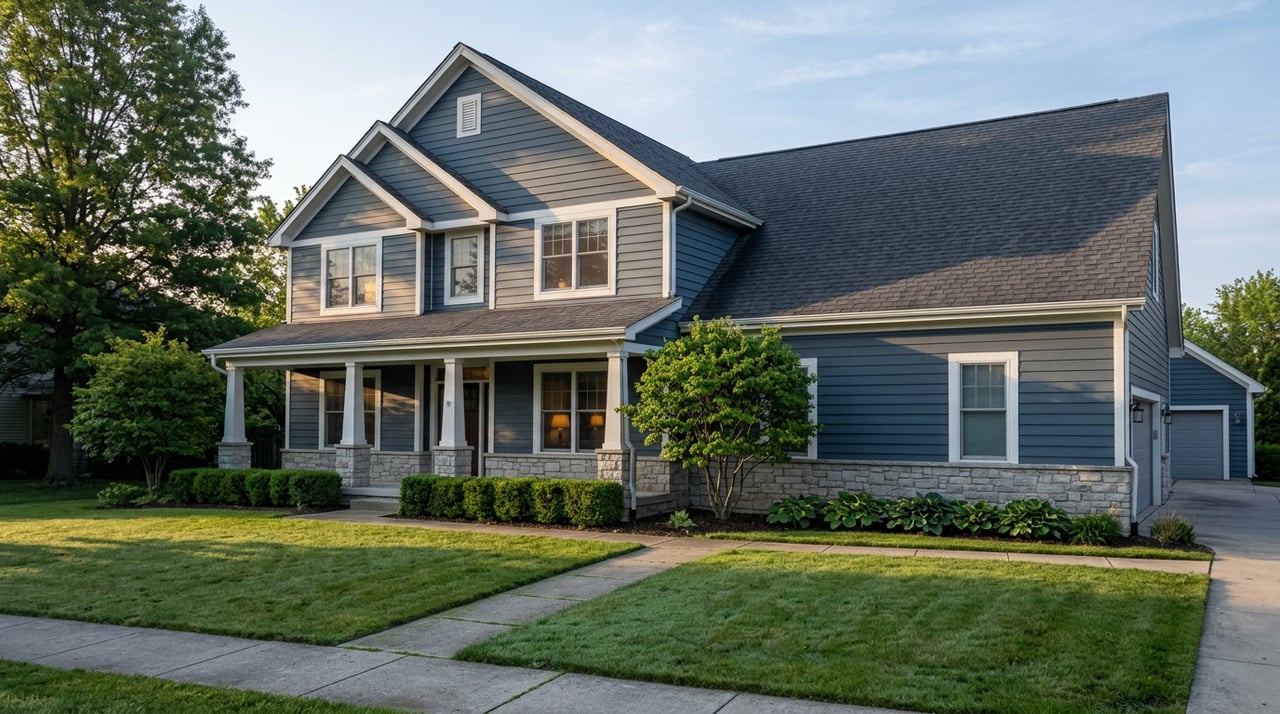
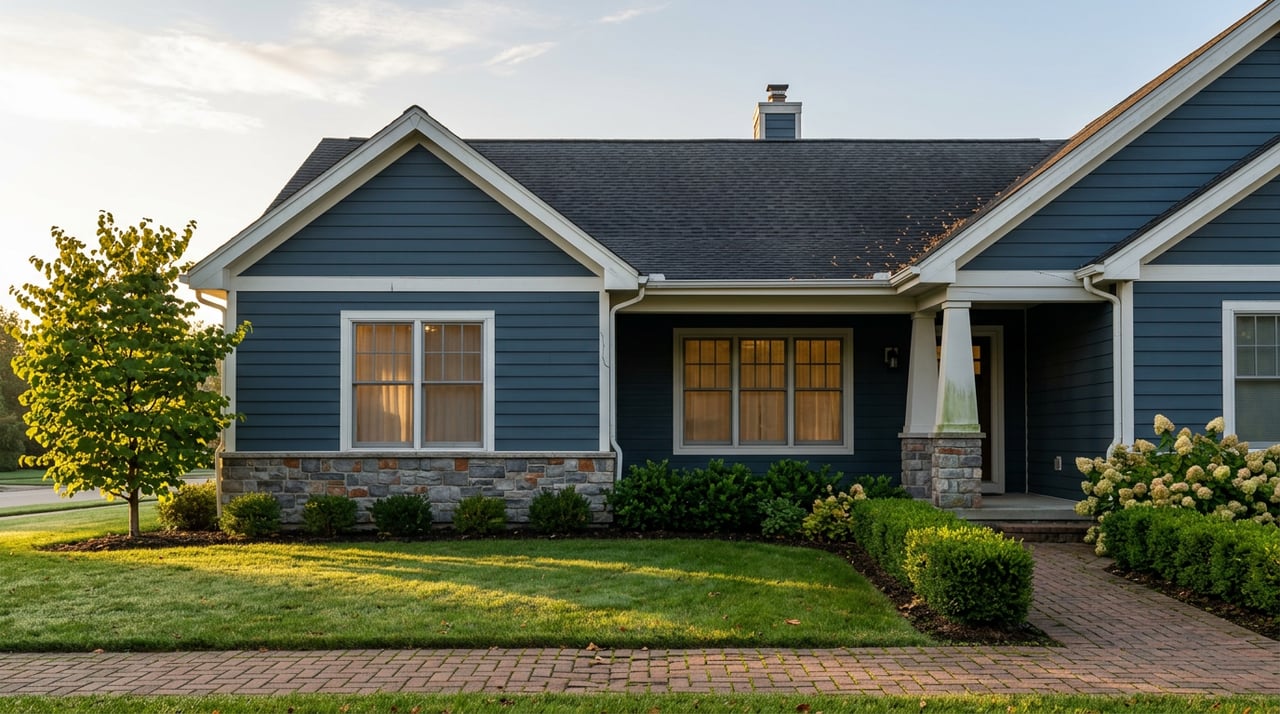
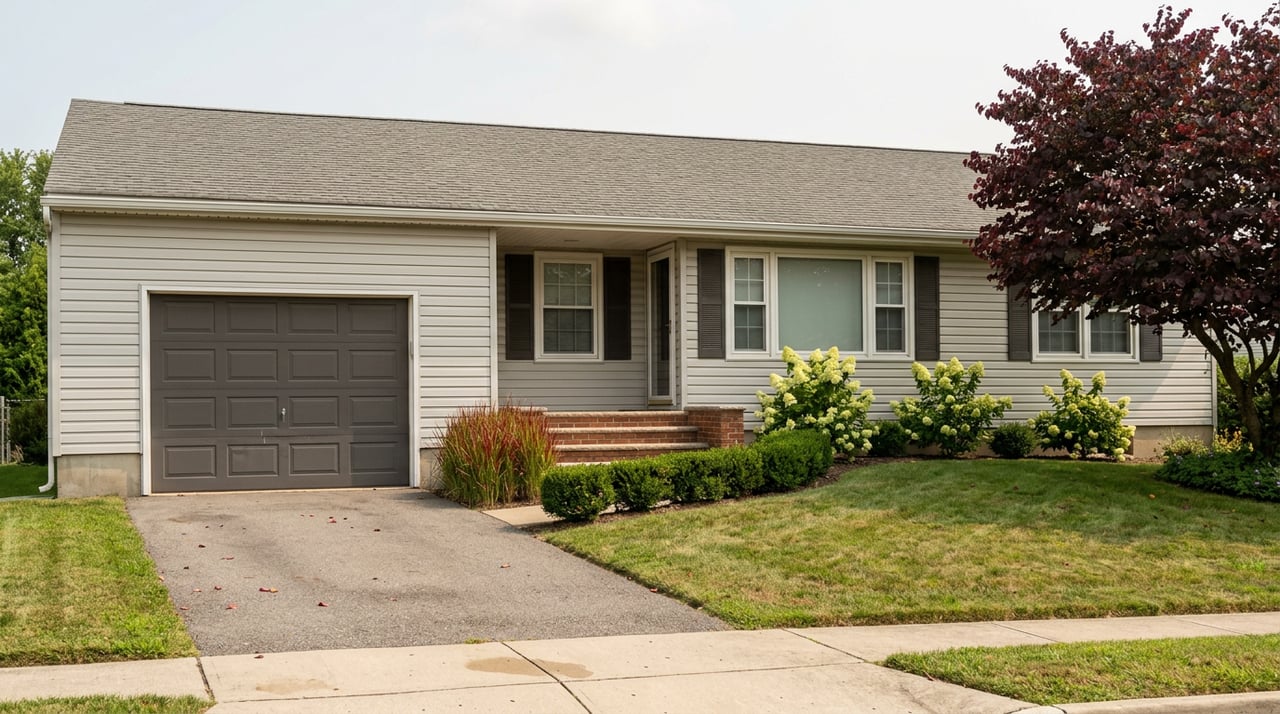
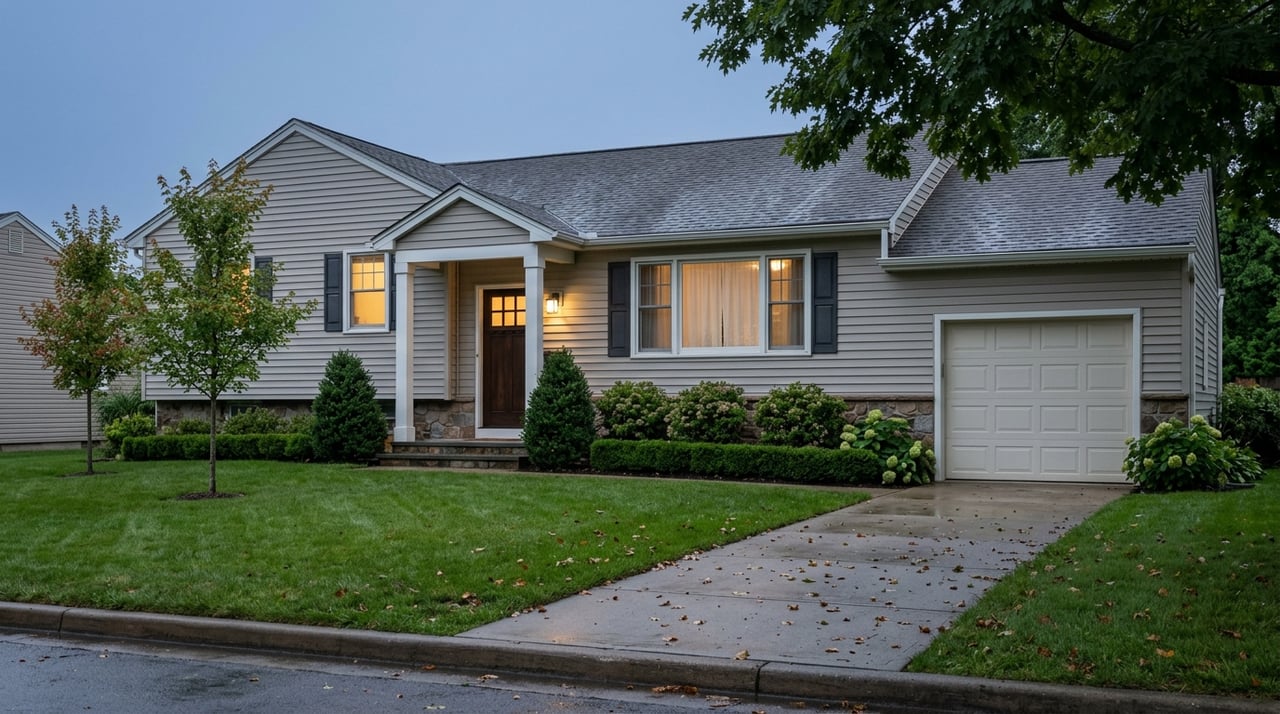
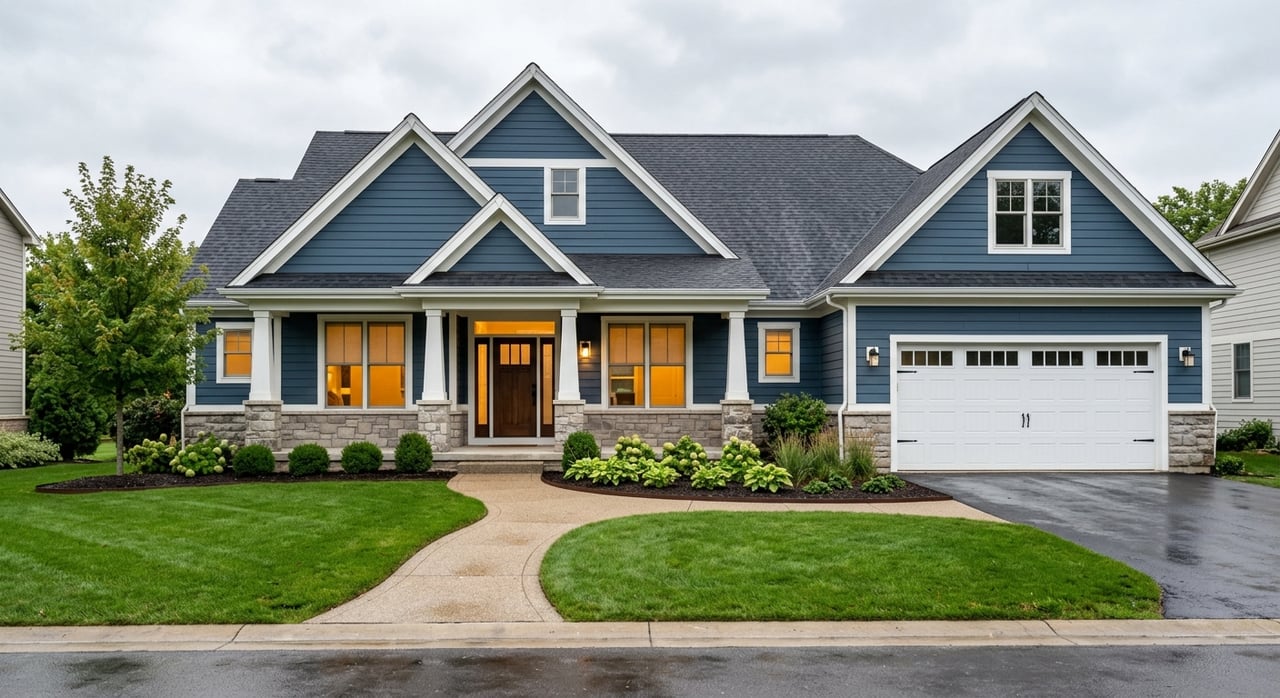
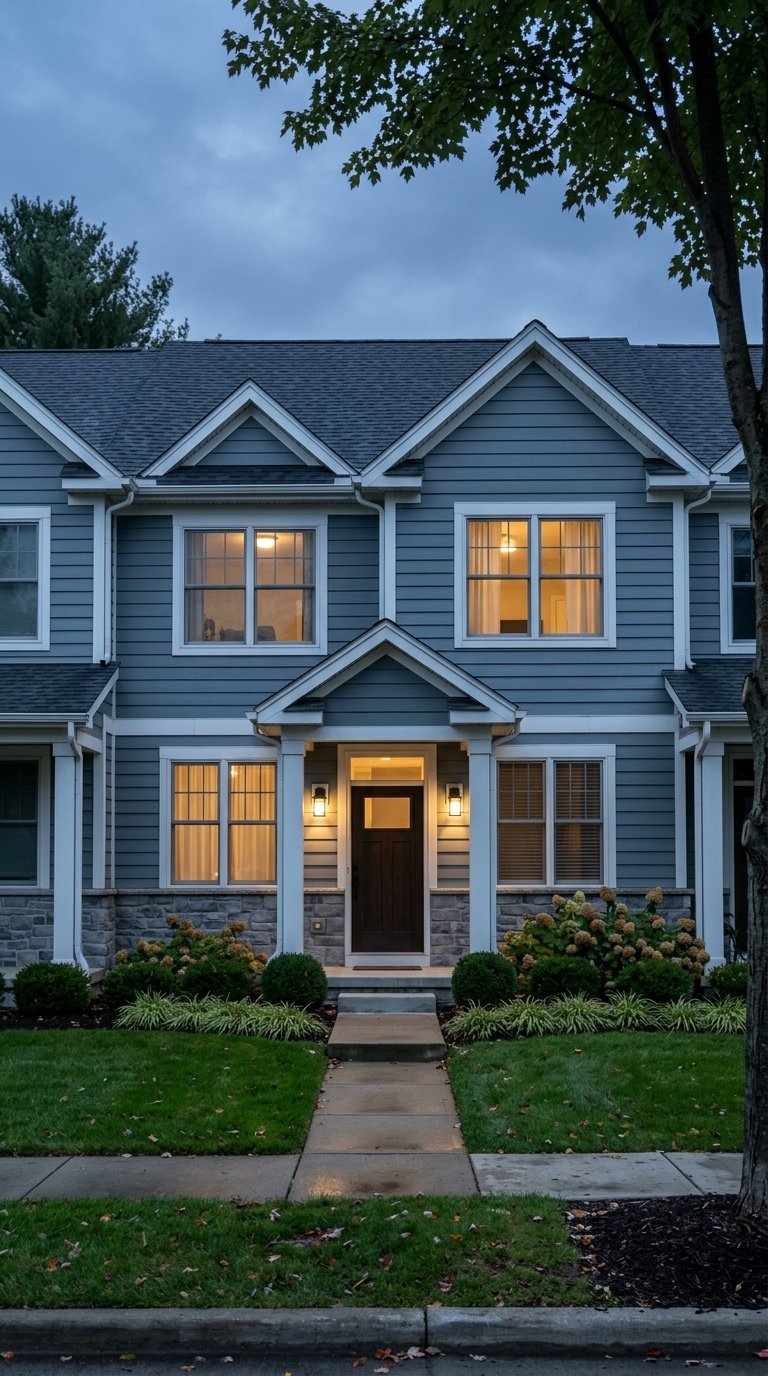
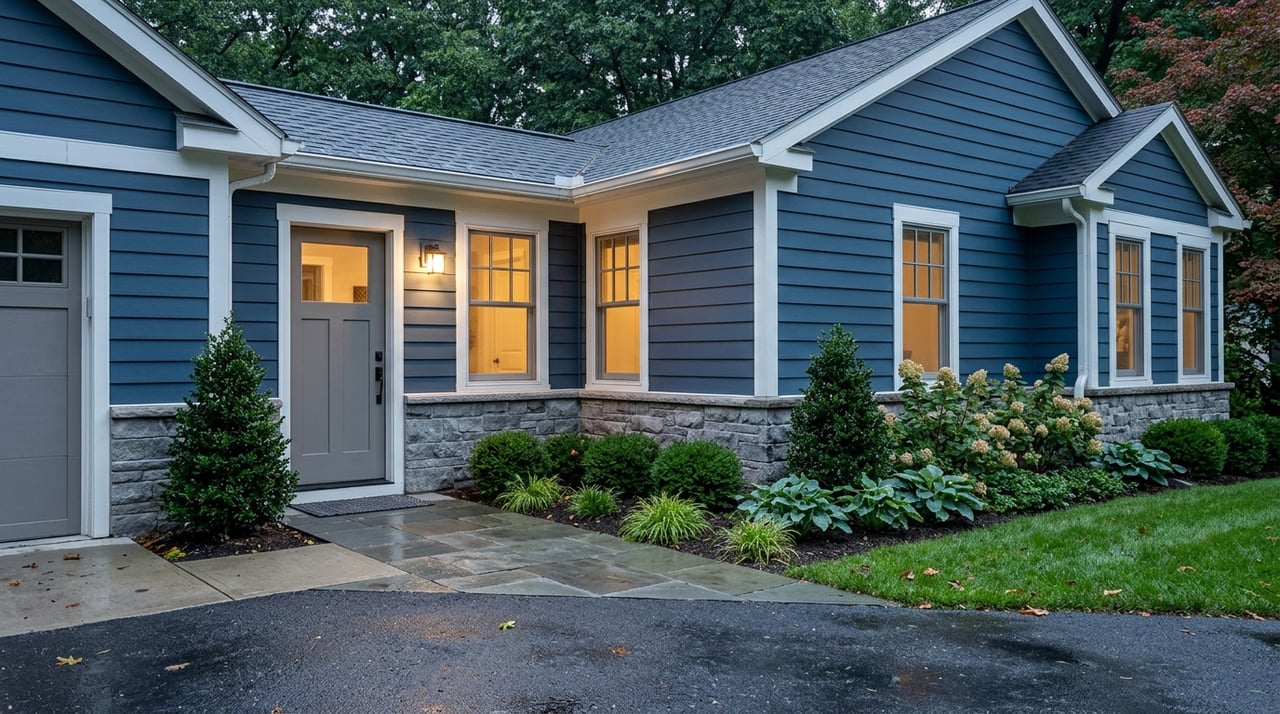
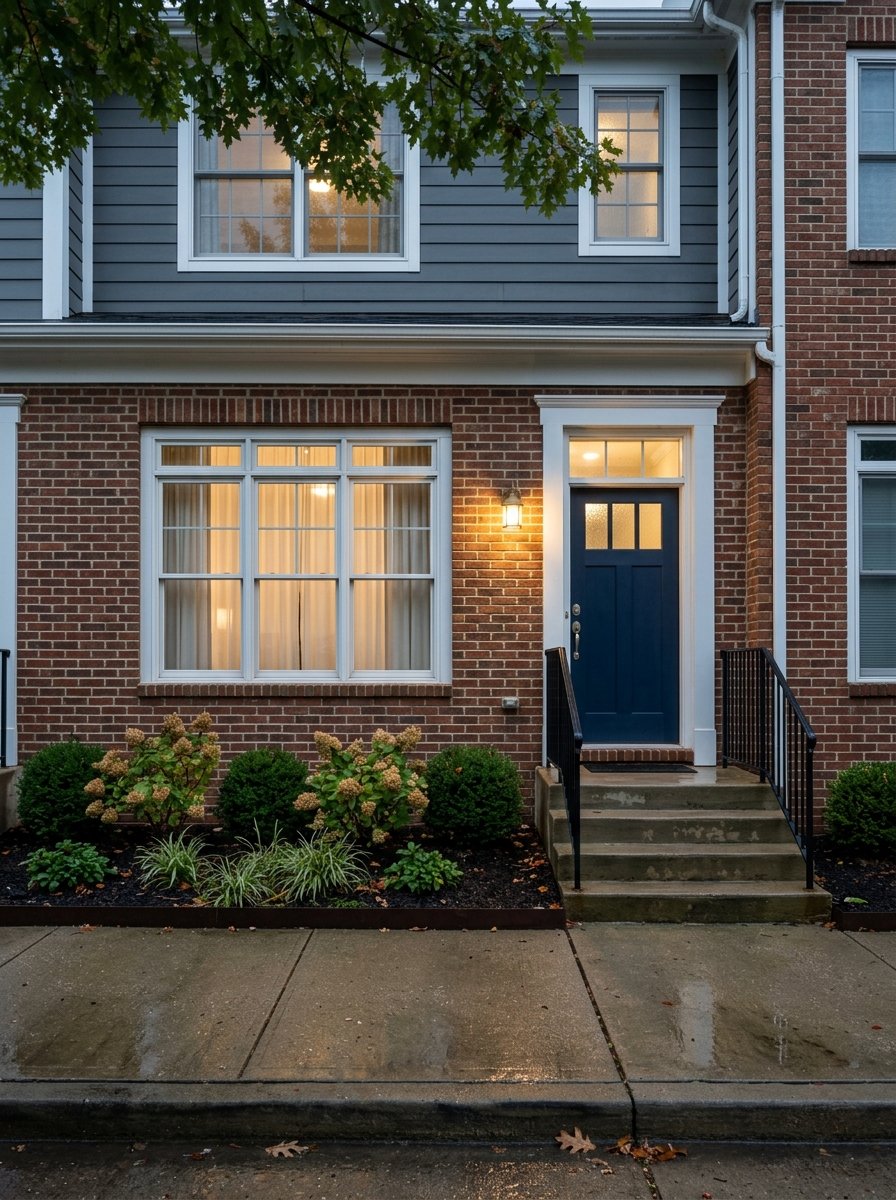
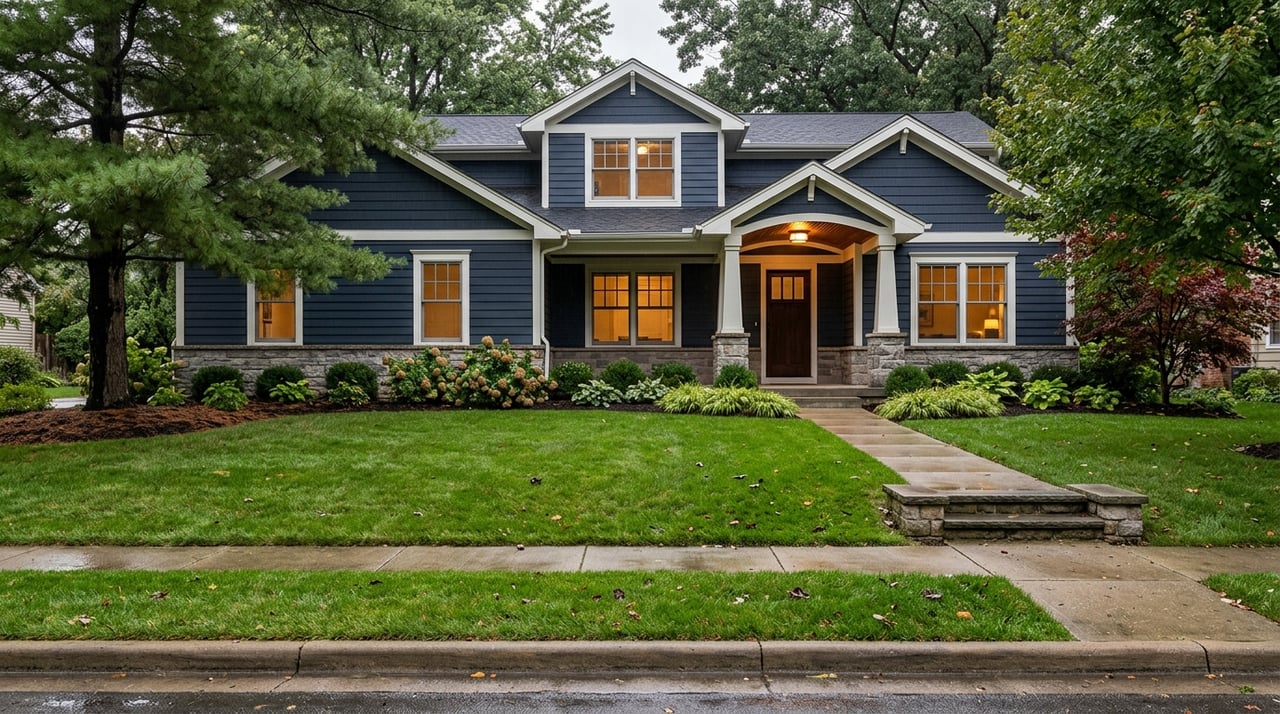
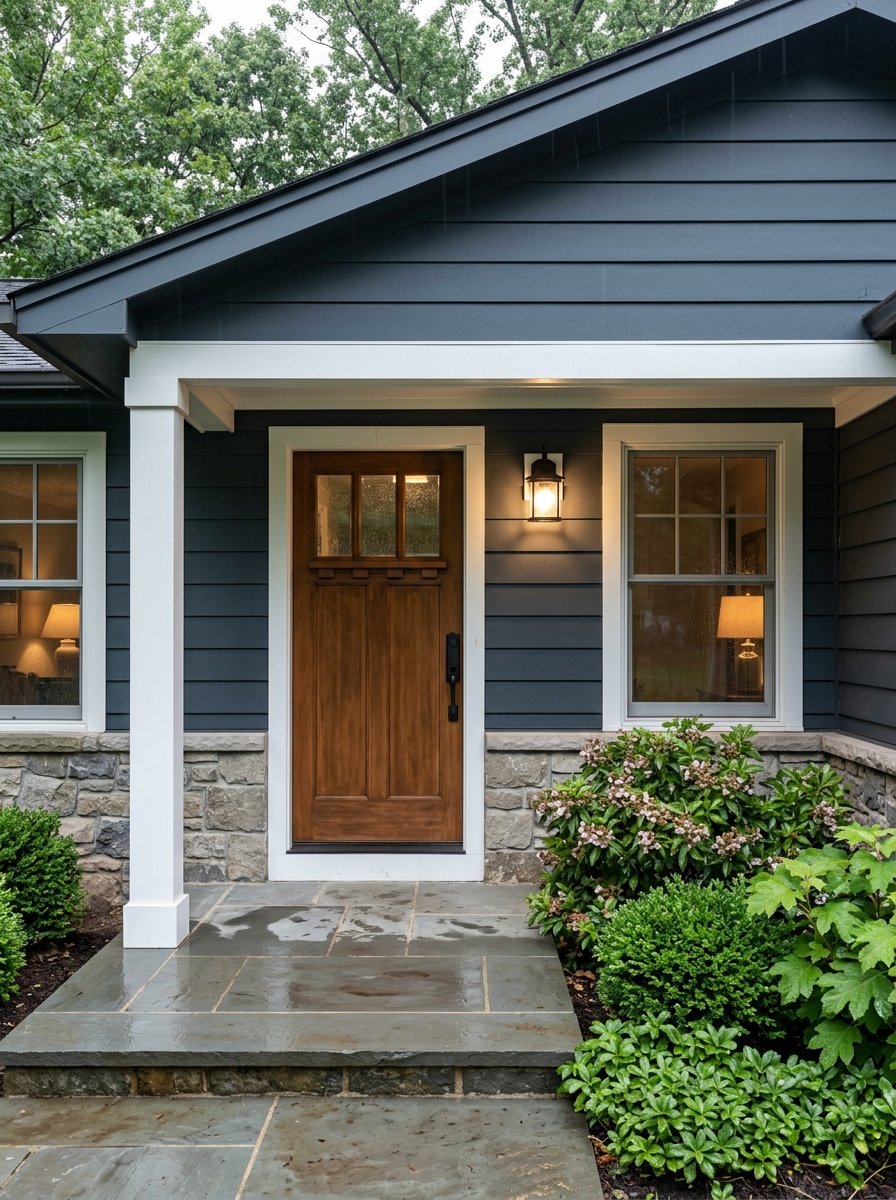
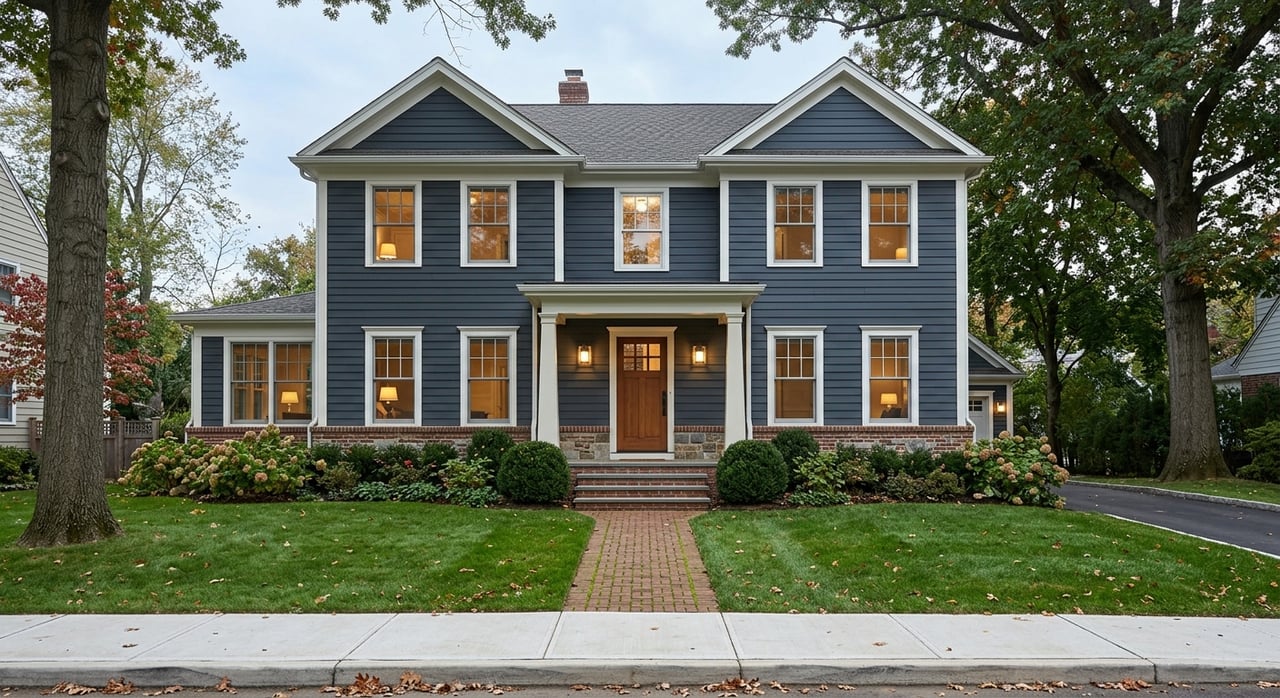
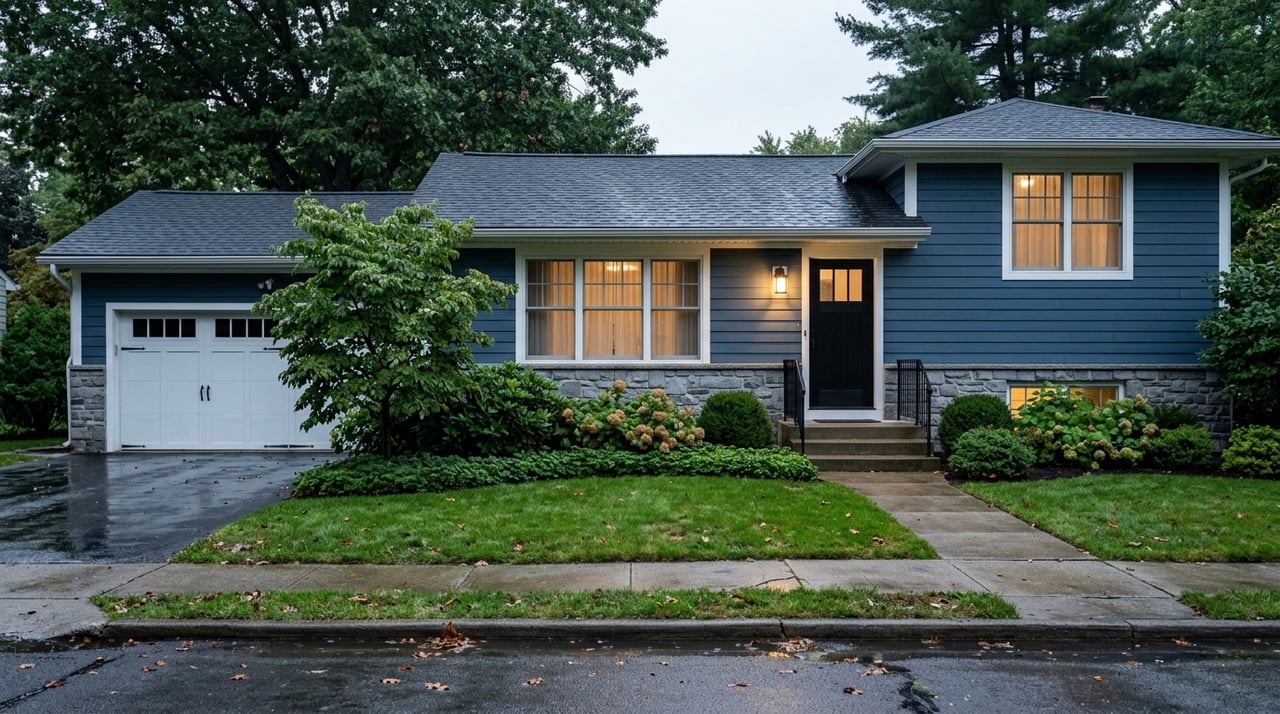
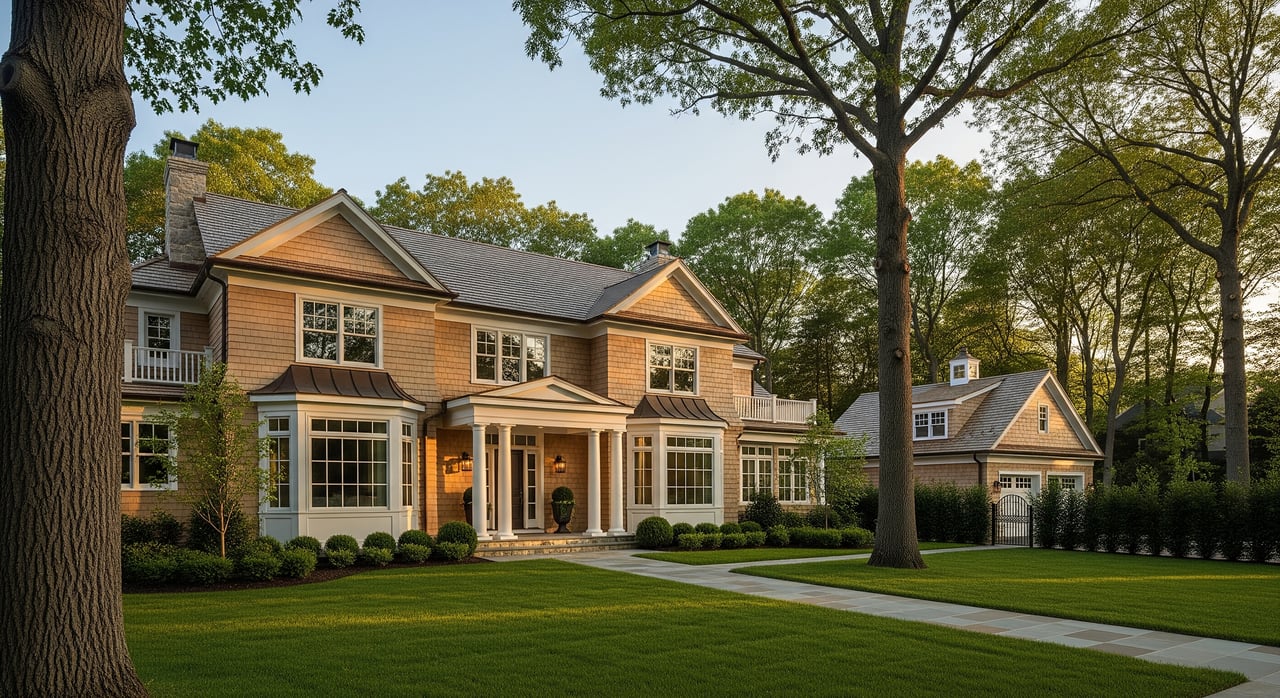
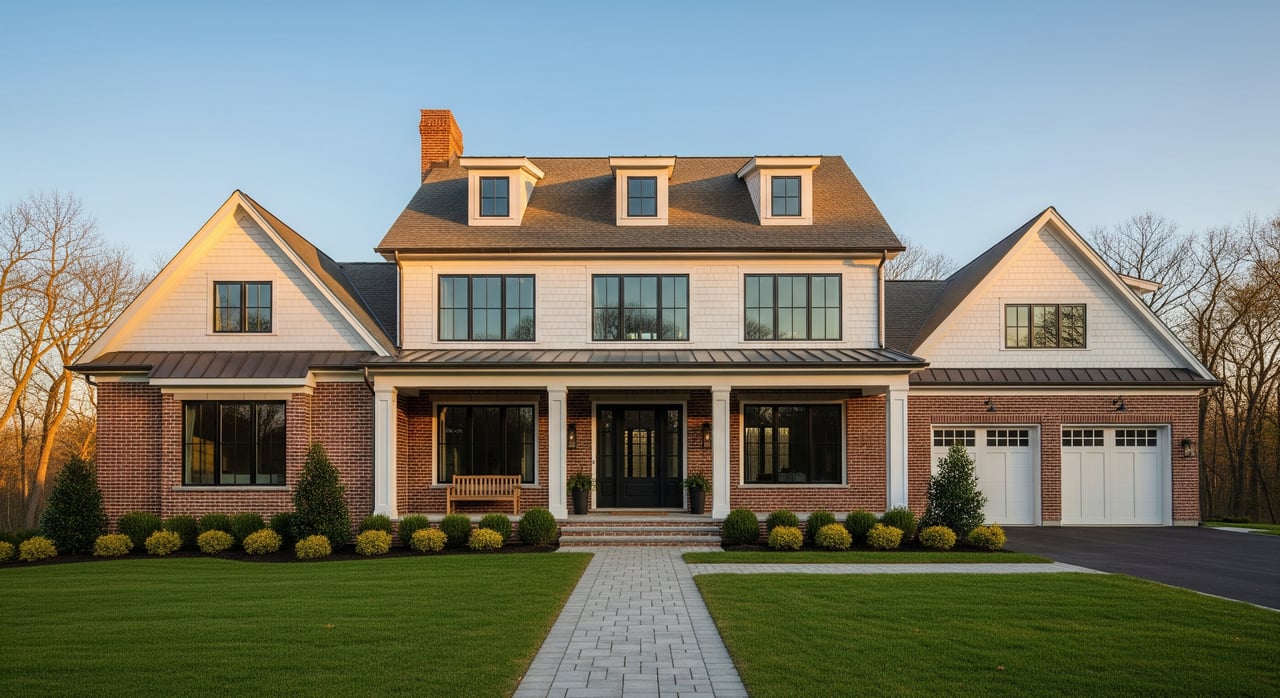
You will find a wide range of homes near Medford’s lakes: cozy cottages and cabins from earlier decades, ranches and colonials on wooded lots, and some larger or newer builds. Direct lakefront or dock-access properties usually command a premium over similar homes a few streets back. Across the township, multiple data providers often show typical home values in the low to mid 600s, but neighborhood-level pricing can swing based on lot size, updates, and proximity to the water. For the clearest picture, review recent sales that match the specific lake and property type you are considering.
Key due diligence for lake buyers
Flood risk and insurance
Some lake-adjacent parcels may sit partly in FEMA-designated flood zones. Lenders require flood insurance for homes in Special Flood Hazard Areas. Do the following as soon as you are serious about a property:
- Look up the address on FEMA’s map and request a FIRMette from your agent or the Township. Start here: Medford Township flood information
- Get flood insurance quotes early and confirm whether your lender will require NFIP or allow private coverage. The NFIP has a 30-day waiting period for new policies, so timing matters.
- If needed, ask for an elevation certificate or a formal letter on flood compliance.
Dams, dredging, and assessments
Lake communities often maintain dams, bulkheads, and water quality. In clubs like Birchwood Lakes, the bylaws make the association responsible for lake care, weed control, and planning for dredging or repairs. Major projects can be costly and may lead to special assessments or dues increases.
- Ask for dam inspection reports, dredging history, and the reserve study. You want to know what is planned and how it will be paid for.
- Get context on dredging cost ranges so you know why reserves and assessments matter: Pond and lake dredging costs
Dues, budgets, reserves, and transfer costs
Dues can be annual in a colony club or monthly/quarterly in a traditional HOA. The key is knowing what is mandatory, what it covers, and how dues may change. During negotiations, confirm:
- Current dues and what amenities they fund.
- Whether there are transfer or initiation fees and who pays for the resale package.
- The size of reserves and any pending special assessments.
For a helpful legal overview of buyer rights and disclosures in New Jersey communities, see HOPB’s New Jersey summary. For what a resale certificate typically includes, review this guide.
Docks, lakebed ownership, and access
Do not assume you can add a private dock or claim exclusive rights to the lakebed. In some clubs, the association owns the lake and common shoreline, and member access is based on rules rather than deeded water rights. Check recorded documents and bylaws for who owns the lakebed, whether private docks are permitted, and what permits are needed. See how one local club defines common areas and membership in the Birchwood Lakes bylaws.
Utilities, septic vs sewer, and taxes
Some lake-area homes connect to municipal water and sewer, while others use wells and septic. Confirm utility status at the parcel level and plan inspections accordingly. Property taxes vary widely with lot size and improvements, so pull the most recent tax figure from the assessor or listing data. A quick way to research parcel-level details is to review county or state parcel tools like NJ Parcels, then verify specifics with your agent and the township.
Inspections and insurance riders
Your standard home policy does not cover flooding. If flood coverage is required or recommended, build it into your budget and timeline. Also ask your insurance agent about a sewer or water backup rider, since low-lying and lakeside properties may benefit from added protection. For timing and coverage basics, start with the Township’s flood guidance.
Lifestyle and rules to expect
Lake living comes with community rhythms that keep amenities safe and enjoyable. Many communities use seasonal wristbands, lifeguards during summer hours, and guest rules that balance access with capacity. You will also see boat guidelines, quiet hours, and parking rules near beaches. That structure is part of what protects the experience and the lakes themselves. To get a feel for how a lake club communicates these expectations, review the Birchwood Lakes welcome page.
Buyer checklist: documents and dollars
Use this practical checklist to stay organized from first showing to closing.
Request these documents right away
- Resale certificate or resale package that summarizes dues, assessments, rules, and insurance. See what that includes: resale certificate basics
- Governing documents: declaration, covenants, bylaws, and current rules. NJ’s framework for common-interest communities is summarized here: HOPB on New Jersey
- Current budget, year-to-date financials, and the latest reserve study.
- Board minutes from the last 6 to 12 months and a record of special assessments.
- Insurance certificates for the association’s master policy, plus any guidance on flood coverage.
- Dam inspection reports, dredging plans, and lake management or engineering reports.
- FEMA FIRMette for the property and lender confirmation about flood requirements: Medford flood information
Ask these questions
- Are dues mandatory, what do they cover, and how may they change?
- Are any special assessments planned for dam work, dredging, or bulkhead repair? What are the estimates and timeline?
- Who owns the lakebed and shoreline? Are private docks permitted and what approvals are required?
- What does the association’s master insurance cover, and what must you insure separately?
- What are the rules for guests, wristbands, parking, boats, and motors? Are lifeguards provided and when?
Budget for these items
- Regular HOA or club dues tied to the community’s amenities and lake maintenance.
- Potential transfer or initiation fees and the cost of the resale package.
- Flood insurance if required by your lender or recommended by your agent.
- Possible special assessments for capital projects like dredging or dam repairs. Review the reserve study to understand risk. For context on cost ranges, see dredging cost considerations.
- Routine lakeside upkeep you may handle as an owner, such as dock maintenance or shoreline landscaping, subject to community rules and permits.
- Standard closing costs, property taxes, and any lender escrow for flood insurance if applicable.
Work with a local guide
Buying in a lake community is not complicated when you know what to look for. The key is getting the right documents early, asking focused questions about the lakes and dams, and building a budget that reflects real operating costs. If you want a thoughtful plan and a clear path to the water, let a local team lead the way.
Have questions about a specific address, flood zone, or HOA documents? Reach out to Ashley Moorhouse for buyer guidance grounded in Medford’s neighborhoods and the details that matter at the lake.
FAQs
What is different about buying in Medford’s lake areas vs a typical subdivision?
- You are buying into shared amenities like lakes, dams, and beaches, which means rules, dues, and a focus on association financial health. Expect seasonal wristbands, lifeguard schedules, and boat rules managed by the community.
Do I need flood insurance for a Medford lake home?
- It depends on your exact lot. Lenders require it in FEMA Special Flood Hazard Areas. Check maps by address and plan around the NFIP’s 30-day waiting period using Medford’s flood resources.
How do HOA or club dues work in these communities?
- Dues may be annual in a colony club or monthly/quarterly in an HOA, and they fund amenities and lake care. Review bylaws, budgets, and reserves, and request a resale certificate as outlined by HOPB’s NJ overview.
Can I build a private dock on a Medford lake?
- Not always. Ownership of the lakebed and shoreline varies, and some clubs own the lakes as common areas. Check governing documents and approvals. See how one local club frames this in the Birchwood Lakes bylaws.
What documents should I review before making an offer in a lake community?
- Ask for the resale package, bylaws and rules, current budget and reserve study, recent board minutes, insurance certificates, and any dam or dredging reports. See what a resale packet includes in this guide.
Are motorboats or jet skis allowed on lake communities in Medford?
- Rules vary by community and lake. Some limit boat size or motor type and set quiet hours. Review the community’s rules and seasonal guidelines like those shown on the Birchwood Lakes welcome page.