If you want a town where you can leave the car parked and still enjoy a full day close to home, Haddonfield and Haddon Heights both deserve a closer look. Each borough offers a historic South Jersey setting, established housing, and a daily rhythm that feels more connected than many spread-out suburbs. The difference is in how that walkable lifestyle actually plays out, and understanding that can help you choose the right fit. Let’s dive in.
Why walkability matters here
Walkability means more than sidewalks and short blocks. For many buyers, it shapes your commute, your weekend routine, and how often you can get out and enjoy local businesses or parks without planning your whole day around driving.
In both Haddonfield and Haddon Heights, the appeal starts with size and layout. These are compact, established boroughs in Camden County with close-in access to Philadelphia. According to the U.S. Census QuickFacts for Haddonfield, Haddonfield had an estimated 12,707 residents on 2.80 square miles in 2024, while Haddon Heights had 7,588 residents on 1.57 square miles.
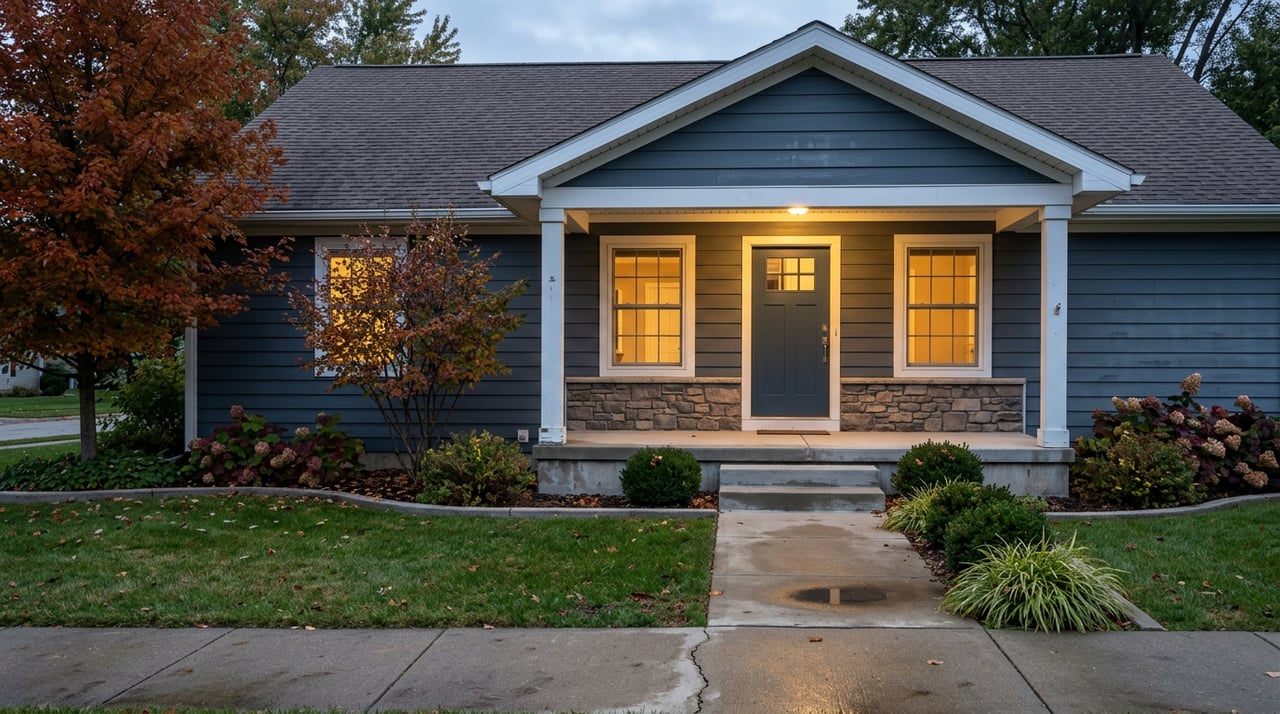
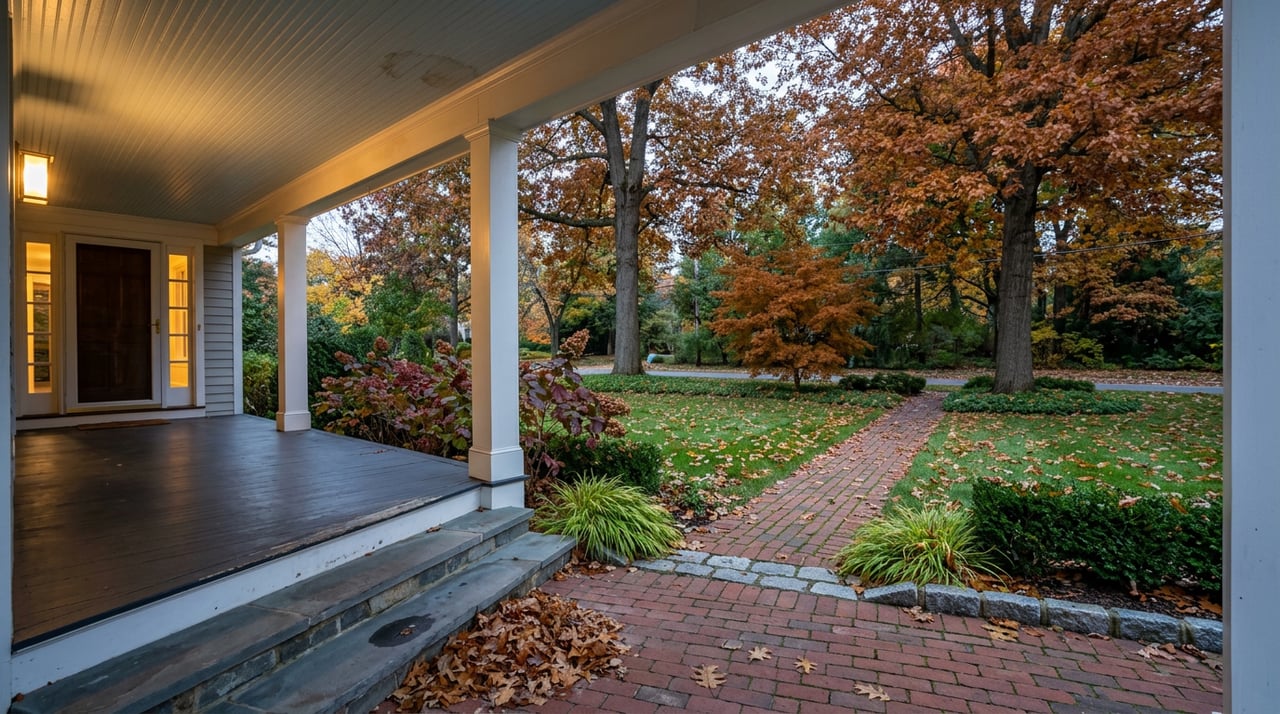
That smaller-scale layout supports a more connected day-to-day experience. You are not looking at a typical car-dependent suburb with isolated subdivisions and distant shopping centers. Instead, both towns offer older residential streets, recognizable town centers, and a lifestyle that often feels more neighborhood-centered.
Haddonfield walkable living
Haddonfield offers the stronger true walk-to-downtown experience of the two. Its historic core, retail district, and transit access are tightly linked, which makes it easier to combine errands, dining, events, and commuting in one compact area.
Downtown Haddonfield is positioned as a retail and dining district with recurring events including First Thursdays, the Fine Art and Crafts Festival, Girls Night Out, Candlelight Shopping, and First Night, according to Downtown Haddonfield. That event calendar adds to the appeal if you want a town where the center stays active throughout the year.
Downtown access and daily routine
In practical terms, Haddonfield supports a park-once-and-walk lifestyle. You can spend time in the downtown district, stop for dining or shopping, and stay connected to the rest of the region without needing to move your car much.
That matters most if your routine includes commuting into Philadelphia. DRPA PATCO information notes that PATCO runs 24/7 and includes parking at Haddonfield, while SEPTA describes Haddonfield as a short 20-minute PATCO ride from Center City Philadelphia. DRPA also notes that Haddonfield Station is fully accessible.
Who Haddonfield often fits best
If you want direct rail access, a more active downtown, and a polished historic-borough feel, Haddonfield tends to stand out. The borough also has a more upscale market profile, with a higher median household income and a housing market that reflects strong demand and limited supply.
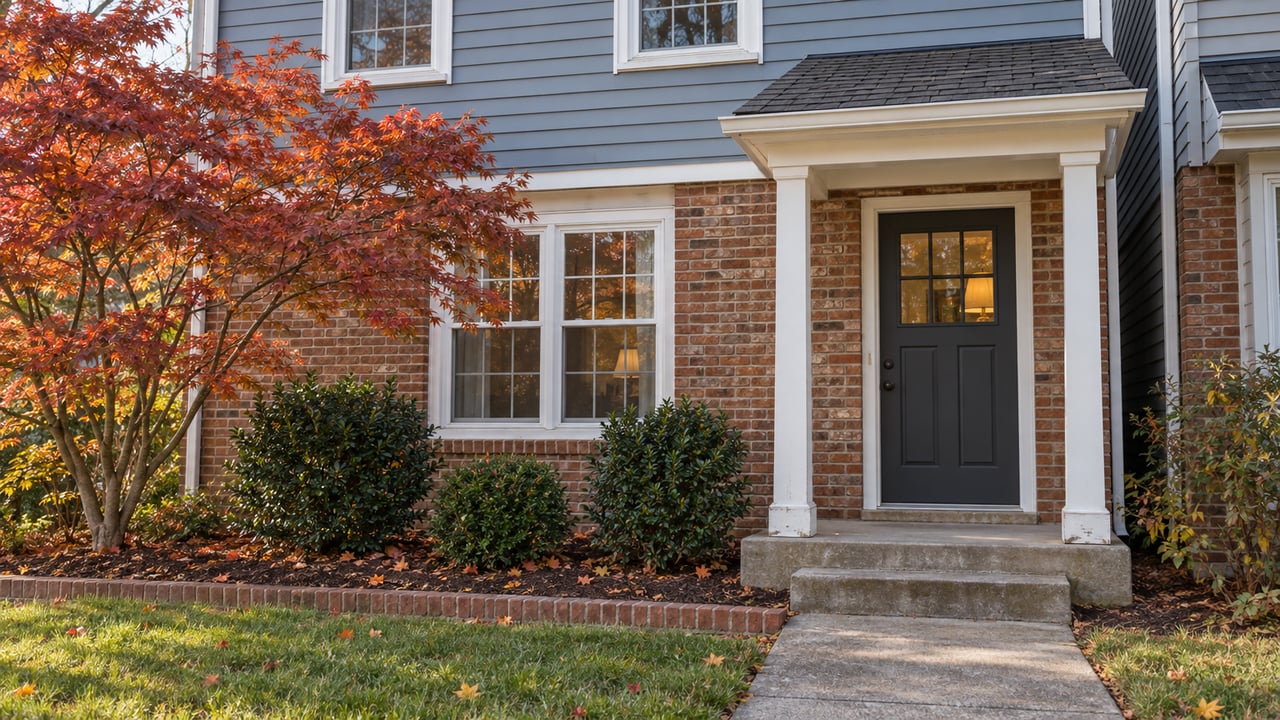
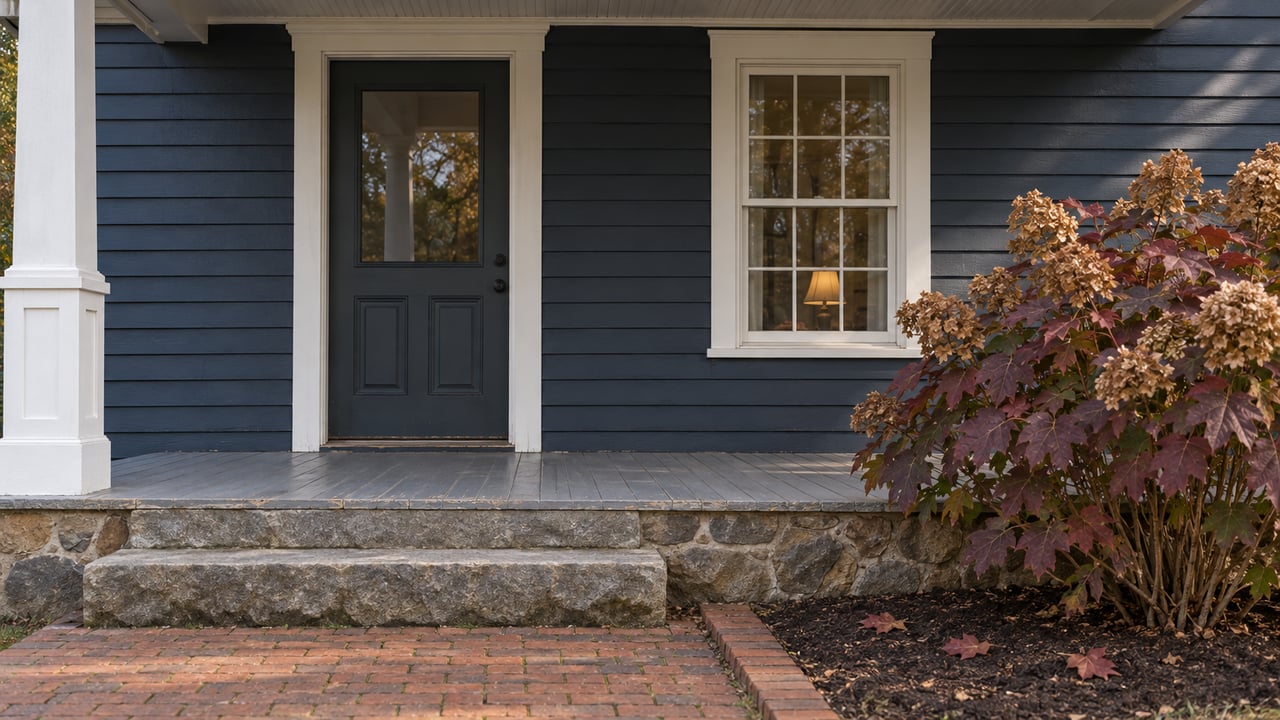
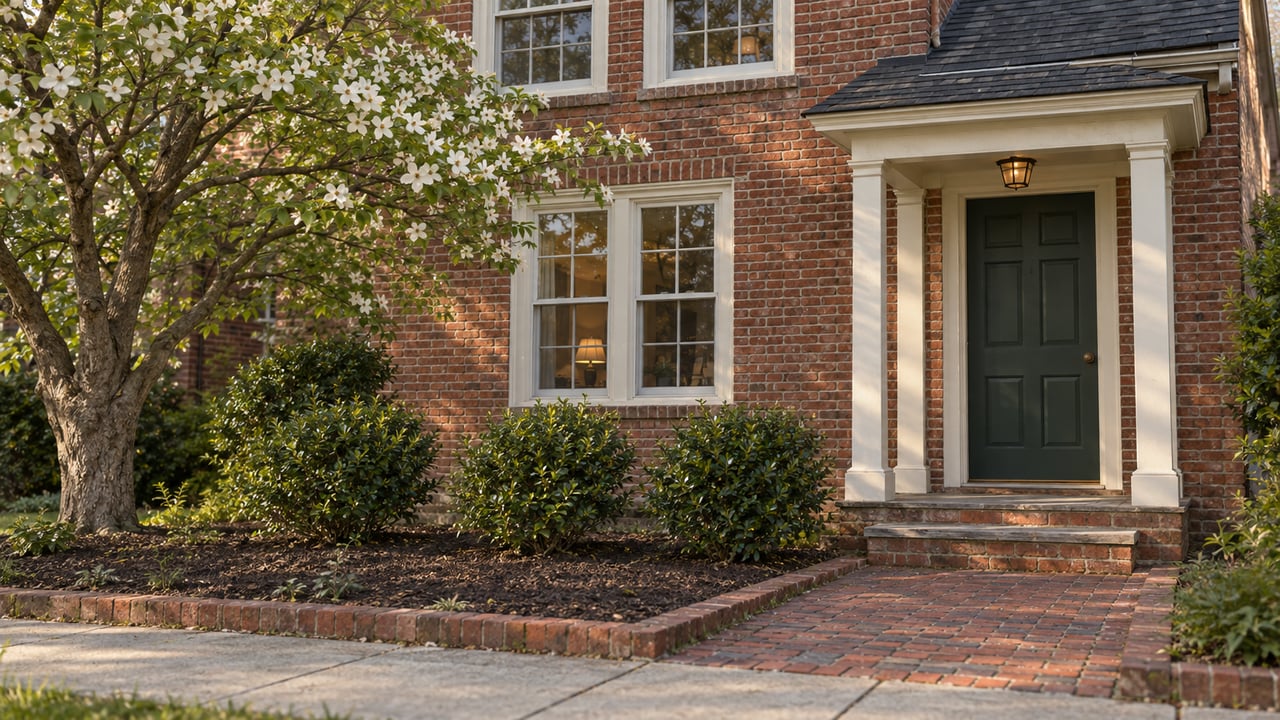
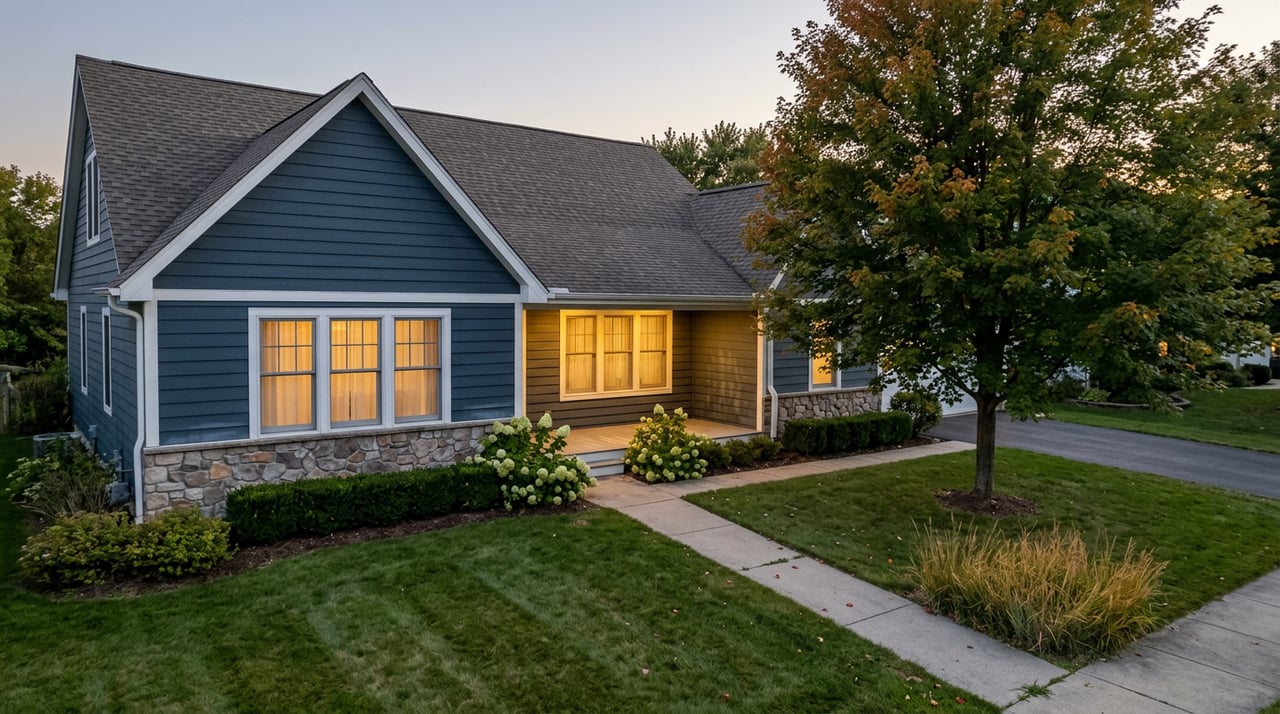
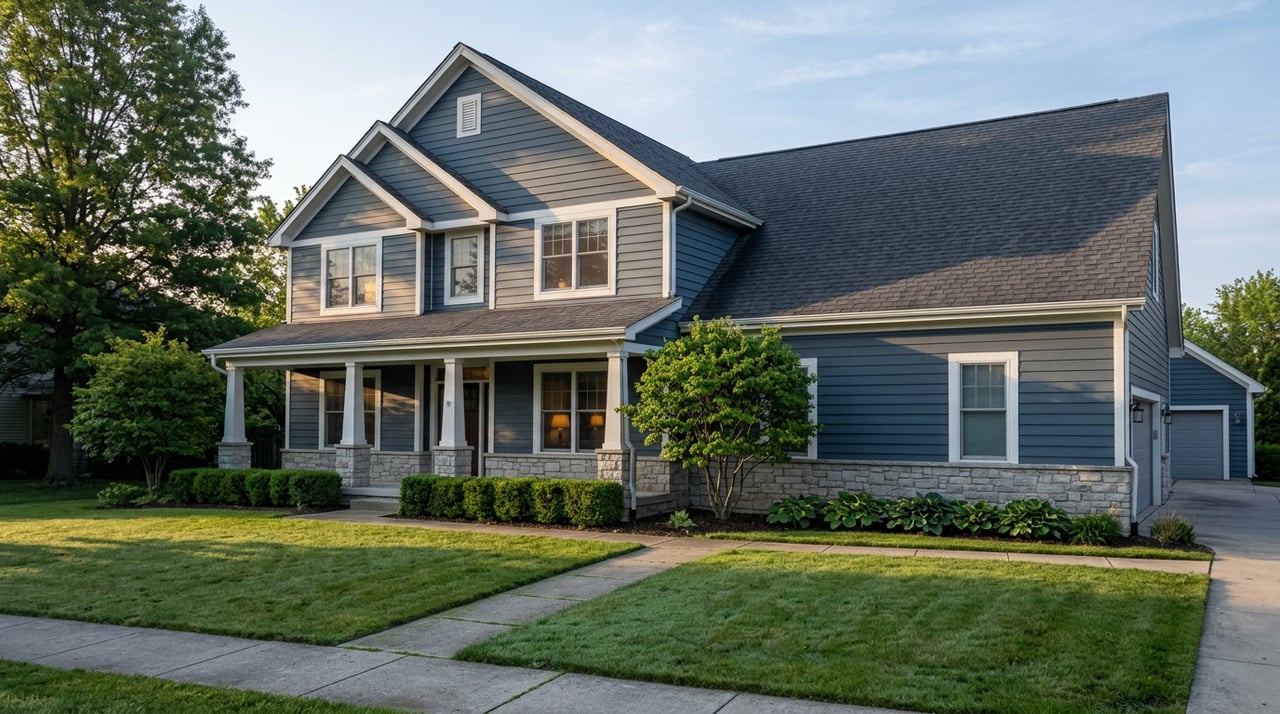
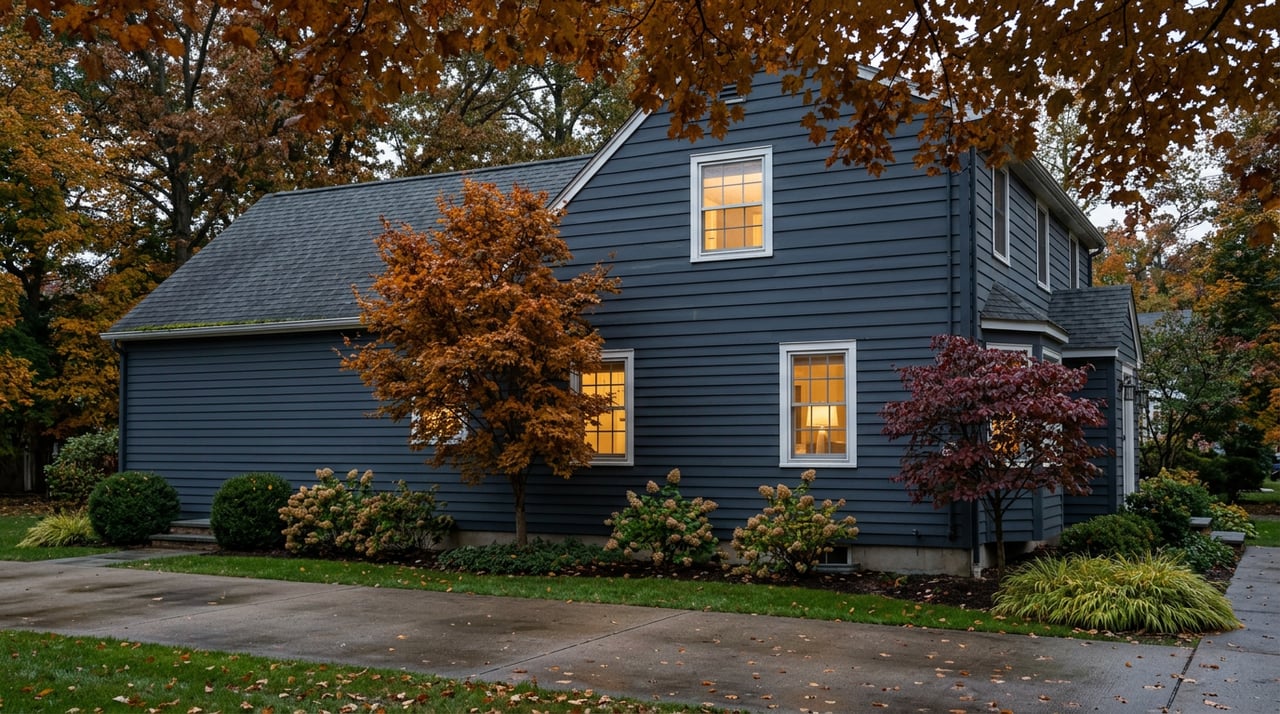
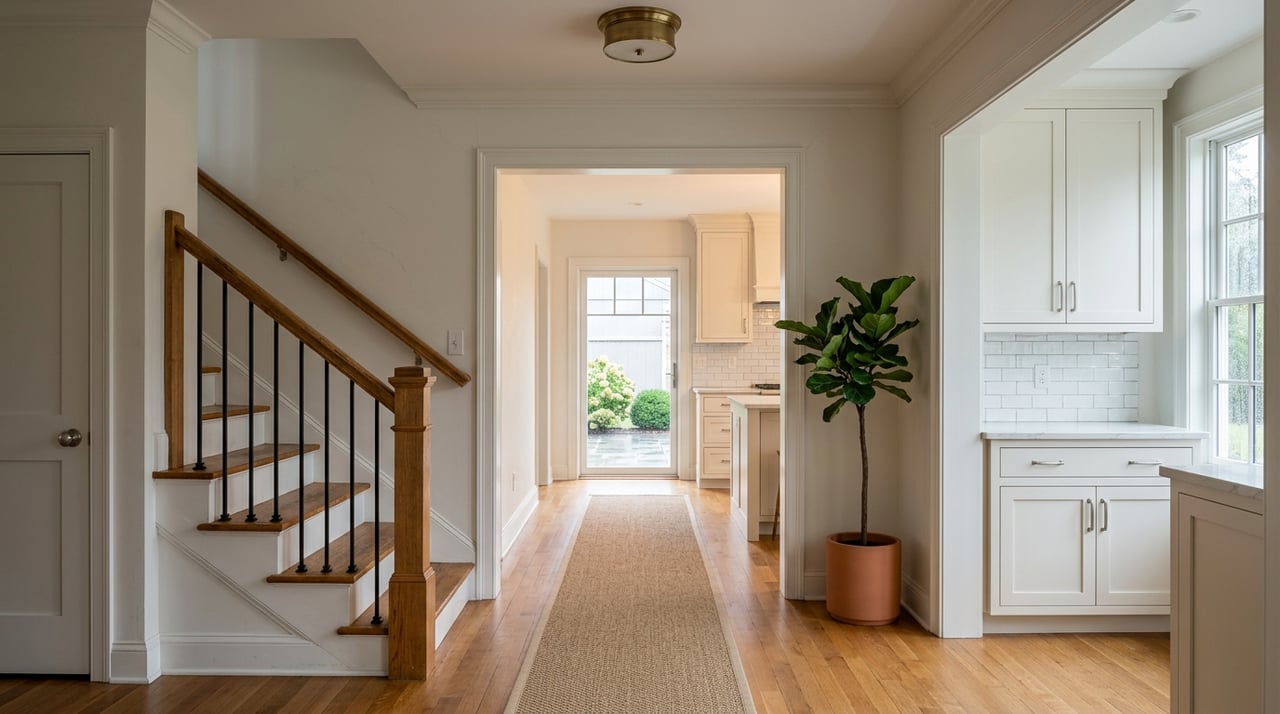
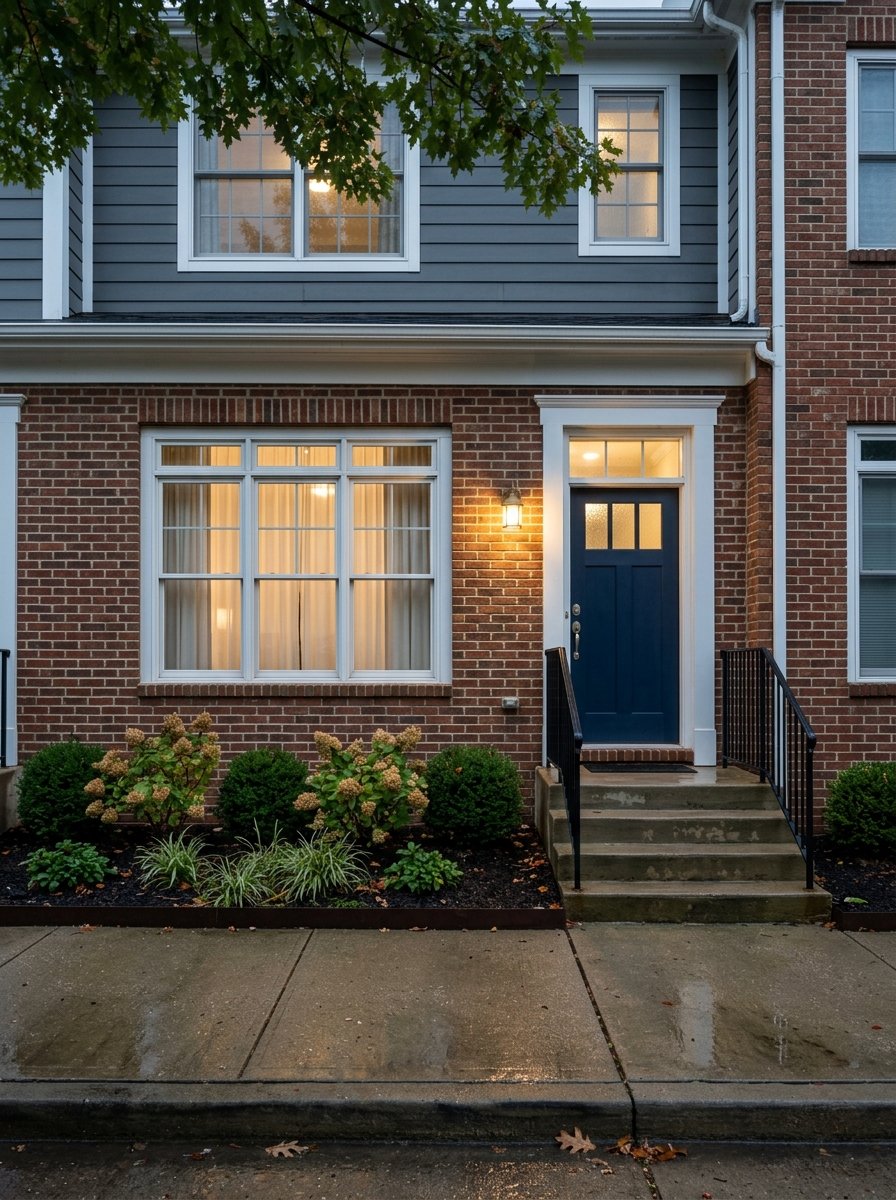
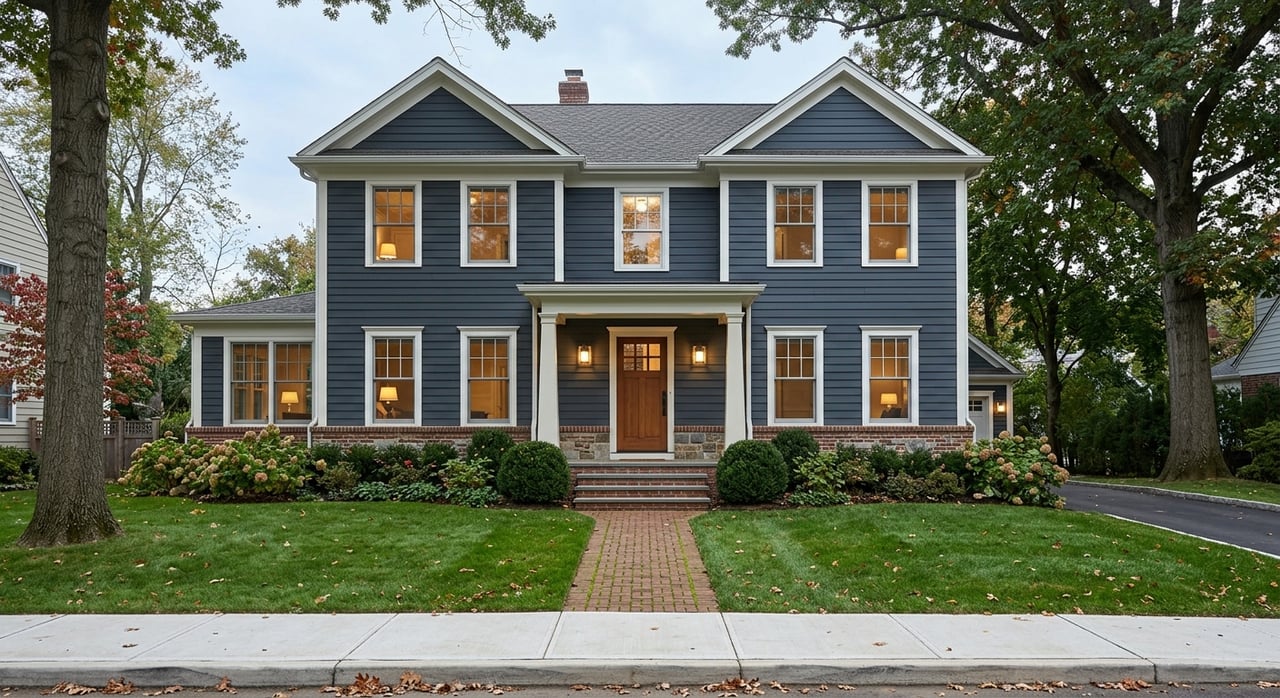
Housing character is a big part of the draw. The historic district is associated with Queen Anne and Colonial Revival architecture, with a period of significance from 1875 to 1949, according to National Register district information. If you are drawn to homes with architectural detail and established streetscapes, Haddonfield offers that in a very visible way.
Haddon Heights walkable living
Haddon Heights is also walkable, but the experience feels different. Instead of a stronger transit-centered routine, it leans more toward neighborhood walking, local events, and a smaller commercial core anchored by Station Avenue.
The Haddon Heights borough and historic resources pages describe a borough close to Philadelphia and located between major roads, while local history notes that rail passenger service ended in 1965. That makes Haddon Heights less of a direct station town and more of a drive, bike, and walk community in everyday use.
Station Avenue and local feel
The Station Avenue Business District runs between White Horse Pike and Seventh Avenue and serves as the borough’s commercial core. The National Register nomination describes it as smaller and more cohesive than comparable suburban business districts, which helps explain why Haddon Heights often feels intimate and easy to navigate on foot.
Station Avenue also hosts recurring community events such as the Independence Day celebration, Holiday Parade, Fall Festival, and Sippin on Station. If you like a quieter main street that still gives you reasons to get out and connect locally, Haddon Heights offers that rhythm.
Who Haddon Heights often fits best
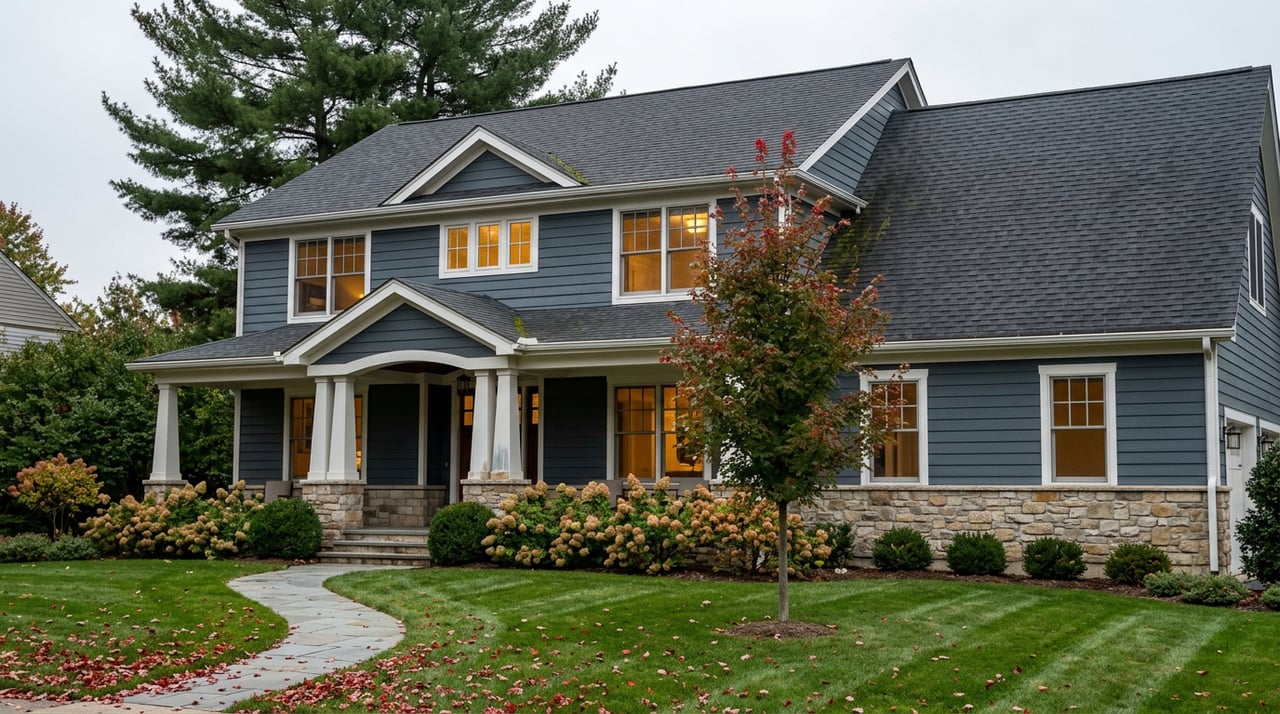
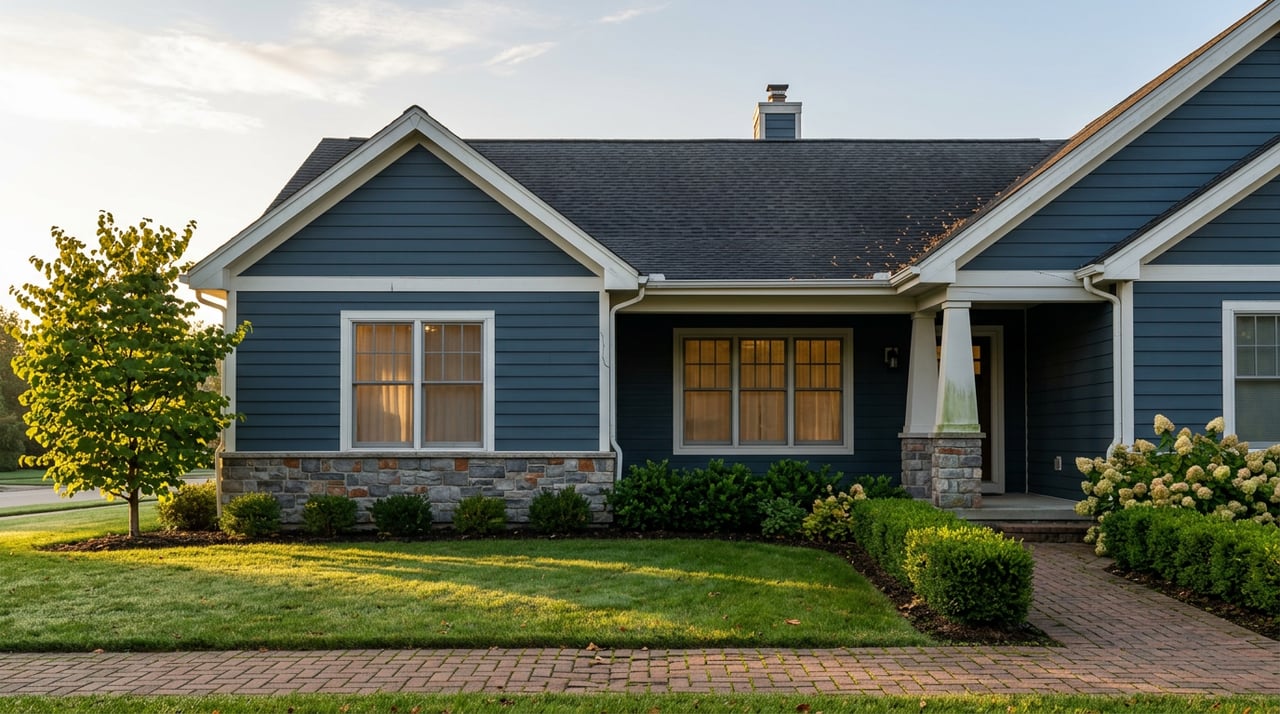
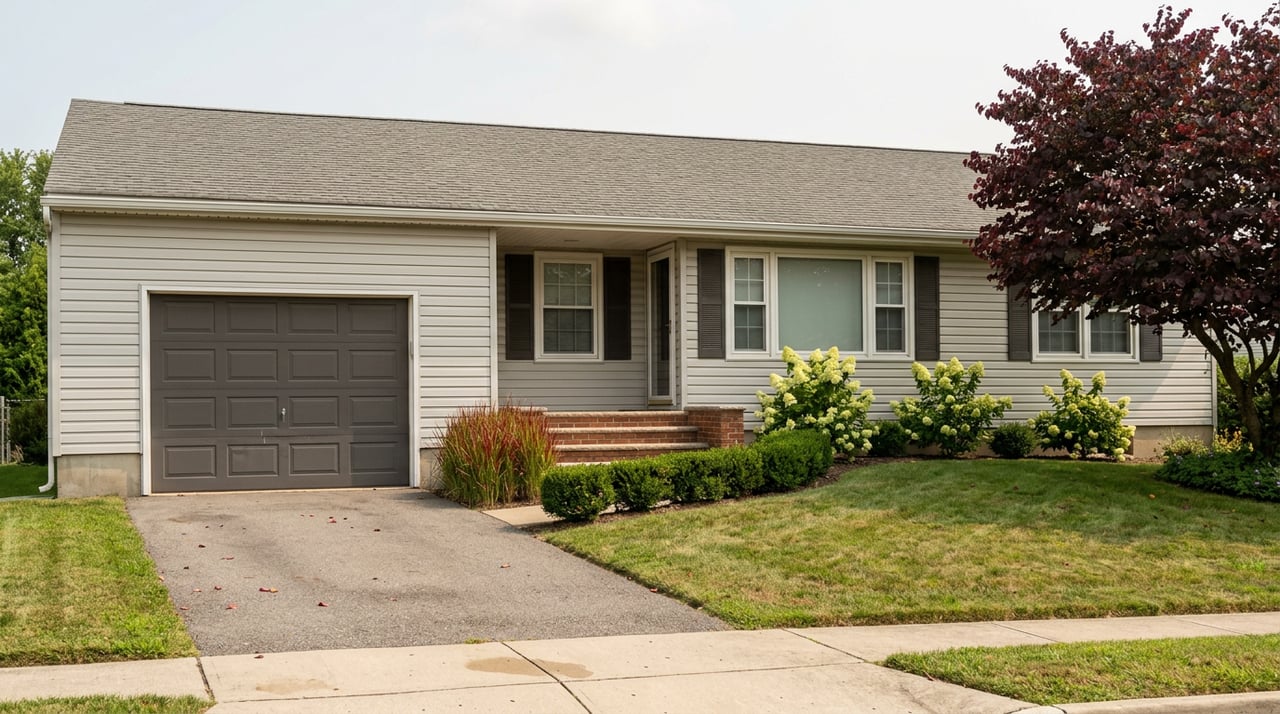
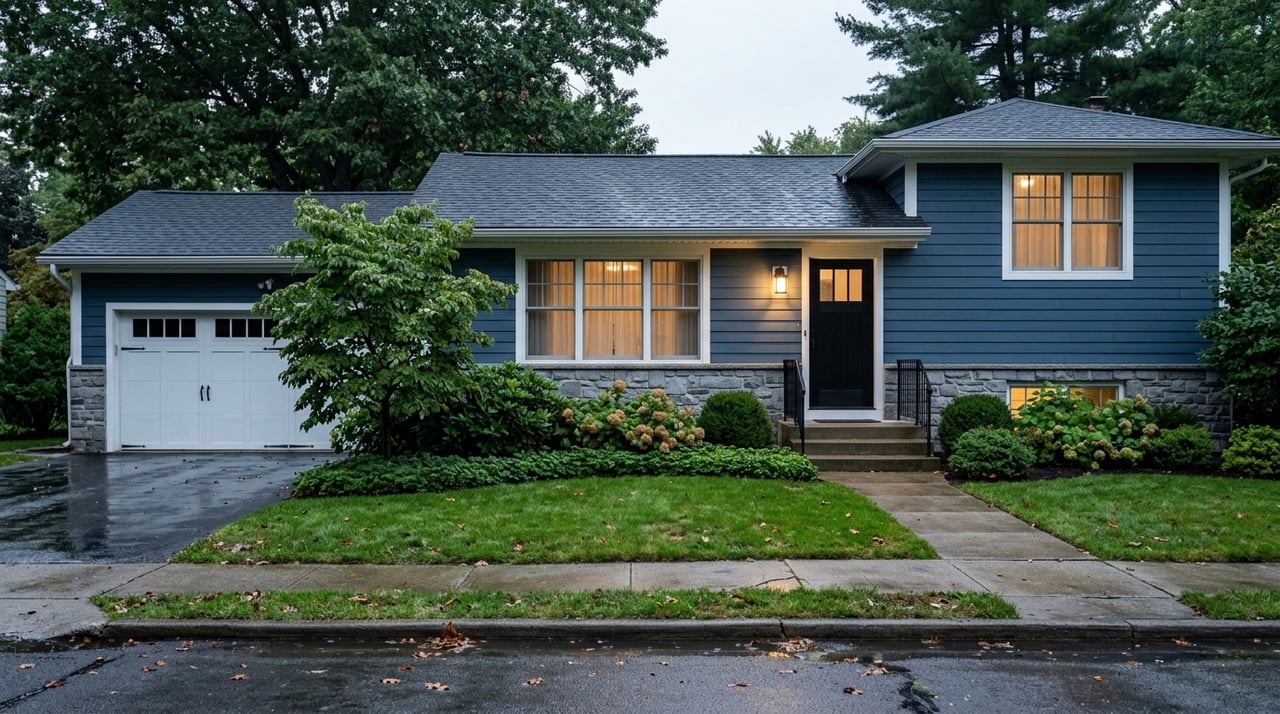
Haddon Heights may be the better match if you want historic character and local walkability at a lower price point. It is often the more attainable option of the two, while still offering an established borough setting with tree-lined streets and older homes.
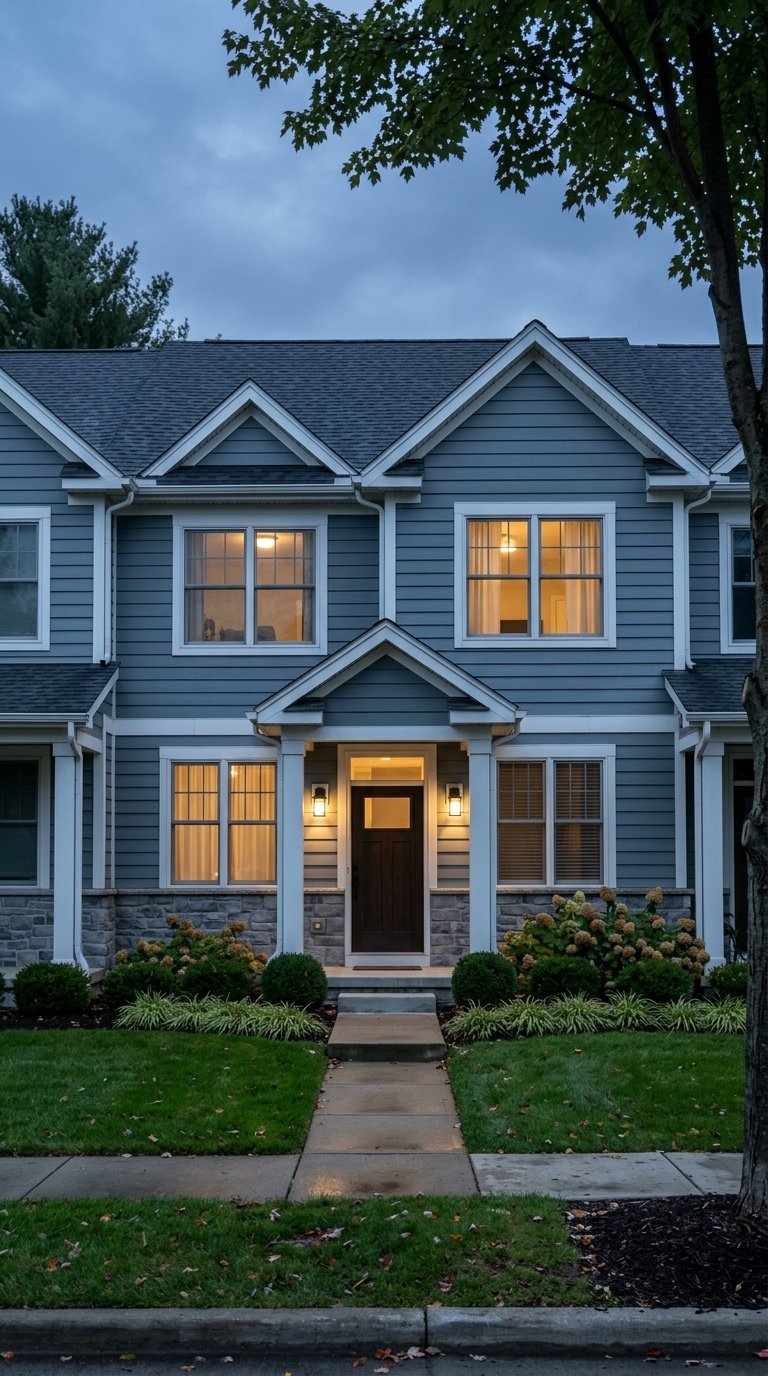
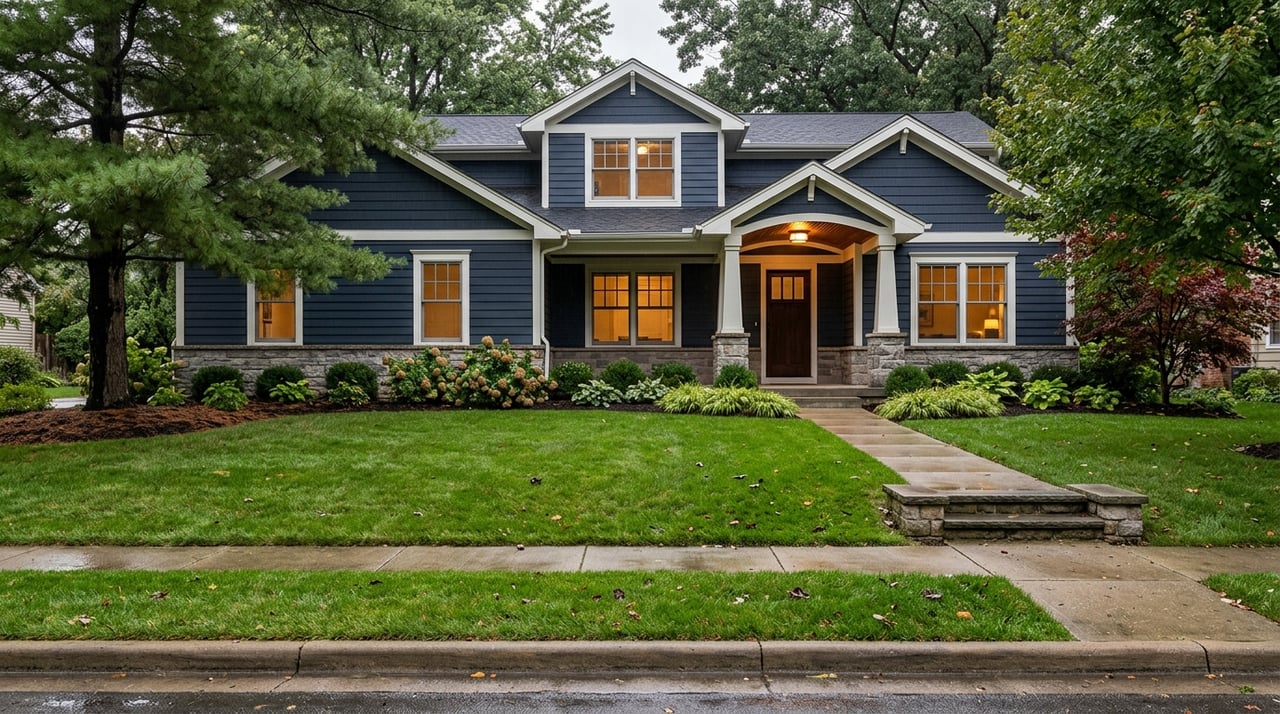
The borough describes itself as a planned railroad suburb laid out in 1890, with long-established homes and multiple historic districts. That gives Haddon Heights a lot of the charm buyers seek in older South Jersey towns, but generally at a more approachable entry point than Haddonfield.
Comparing home prices and housing stock
Price is one of the clearest differences between these two markets. If you are deciding between them, this is often where lifestyle goals and budget need to line up.
In Haddonfield, current market snapshots in the research report show a median listing price of $1,147,500 in February 2026, a median sold price of $862,000 in March 2026, and about 45 homes for sale. The Census also reports a median owner-occupied home value of $755,300.
In Haddon Heights, market snapshots show a median listing price of $499,900 in December 2025 and a median sold price of $467,000 in March 2026, with 9 homes for sale in that snapshot. The Census median owner-occupied home value was $354,700.
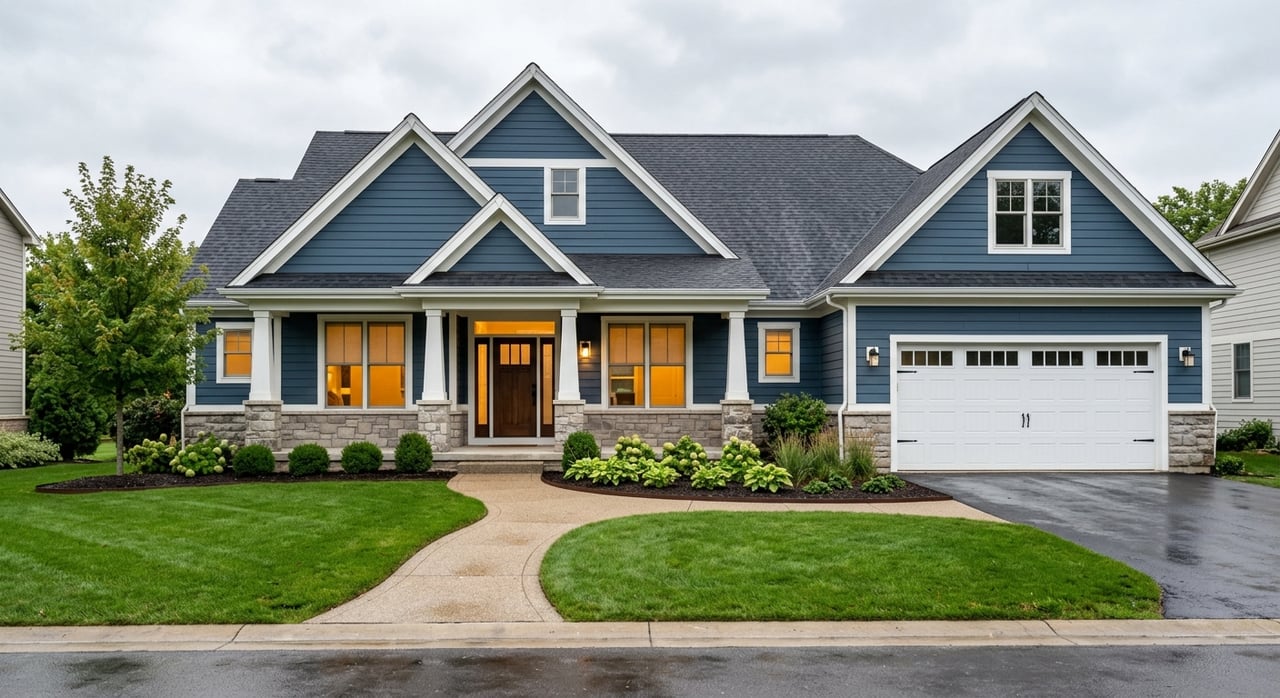
Here is the practical takeaway: Haddonfield is the higher-priced and more supply-constrained market, while Haddon Heights is generally more attainable. Both towns lean toward older, character-driven homes, but your budget can shape which version of walkable living makes the most sense for you.
Parks and outdoor lifestyle
Walkable living is not just about downtown blocks. It also includes how easily you can enjoy open space, trails, and local recreation as part of your normal week.
Haddonfield offers access to Pennypacker Park, a 32.27-acre park with Hopkins Pond, Driscoll Pond, and the Hadrosaurus foulkii site. That adds a nature element to the borough’s more connected downtown and transit experience.
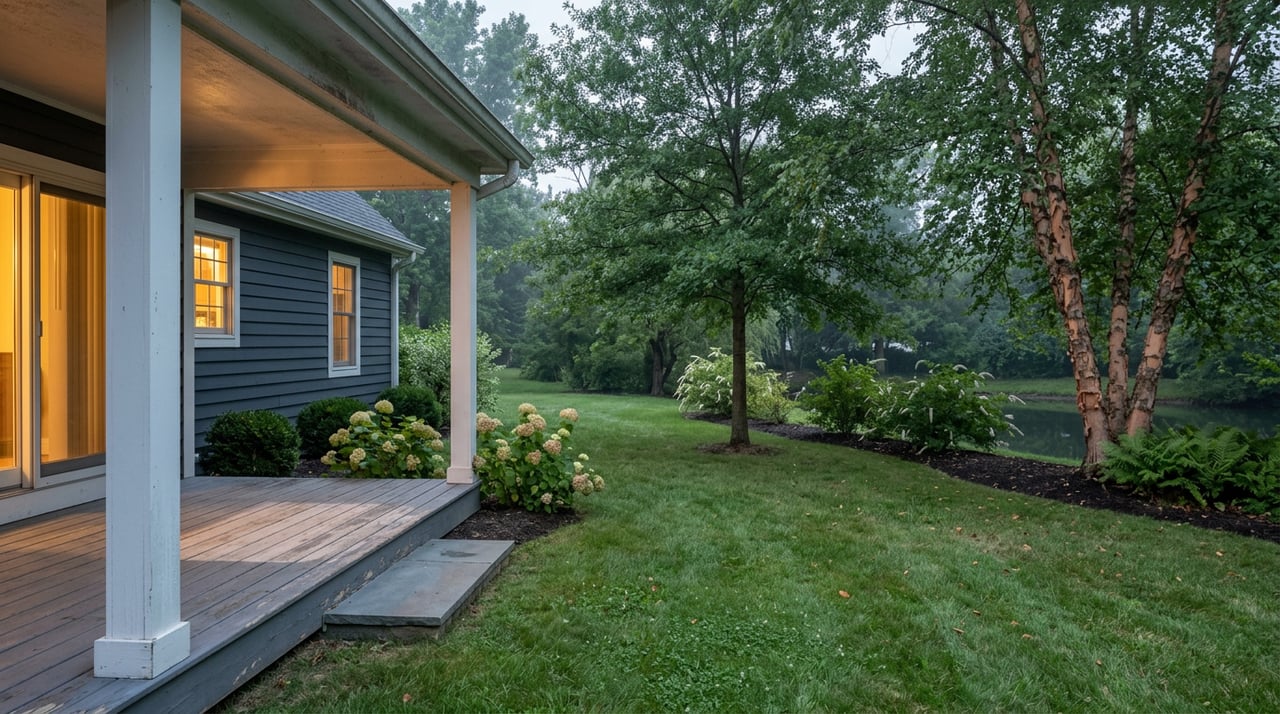
Haddon Heights brings a strong park-forward lifestyle as well. The borough says it has over 67 acres of parks and recreation within borough limits, and Haddon Lake Park spans 73.47 acres across Haddon Heights, Audubon, and Mount Ephraim with bike paths, playgrounds, an amphitheater, a boat launch, and fishing access.
If outdoor access is a major priority, both towns offer strong options. Haddonfield blends park access with a more linked downtown core, while Haddon Heights leans into a quieter routine where parks and neighborhood streets play a bigger role.
Which town feels more walkable?
The answer depends on what you mean by walkable. If you mean a compact town where downtown, events, and regional transit work together, Haddonfield usually has the edge.
If you mean a smaller borough where you can enjoy neighborhood walks, a cohesive main street, community events, and nearby parks, Haddon Heights stands out. It is walkable in a more local, less transit-oriented way.
A simple way to think about it is this:
- Choose Haddonfield if you want direct PATCO access, a larger downtown, and a stronger park-once-and-walk routine.
- Choose Haddon Heights if you want a quieter borough feel, a smaller commercial core, and a more budget-friendly path to historic-town living.
What buyers should consider before choosing
Before you decide, think about how you actually live day to day. A town can look great on paper, but the better fit comes down to your schedule, budget, and what kind of convenience matters most.
Ask yourself:
- Do you want direct rail access to Philadelphia?
- Would you use a larger downtown often, or prefer a smaller local business district?
- Is historic housing character a must-have?
- How much flexibility do you need on price point?
- Do you picture your free time around dining and events, or more around parks and neighborhood walks?
Those questions can quickly narrow the choice. In our experience, buyers feel more confident when they compare not just homes, but also the lifestyle each borough supports.
If you are weighing Haddonfield against Haddon Heights, having local guidance can help you look beyond photos and headlines. The right move is not just about finding a beautiful house. It is about choosing the town that fits your routine, goals, and budget with confidence. If you are ready to explore your options in Camden County or across South Jersey, connect with Ashley Moorhouse for trusted, local guidance.
FAQs
Which town offers the easier Philadelphia commute, Haddonfield or Haddon Heights?
- Haddonfield is the easier choice for a Philadelphia commute because it has direct 24/7 PATCO service and is described by SEPTA as about a 20-minute ride to Center City Philadelphia.
Which town is more affordable for homebuyers, Haddonfield or Haddon Heights?
- Haddon Heights is generally more affordable, with research report pricing showing significantly lower median listing and sold prices than Haddonfield.
What makes Haddonfield feel more walkable than Haddon Heights?
- Haddonfield’s downtown, PATCO station, and historic core are more tightly connected, which supports a stronger park-once-and-walk lifestyle.
Does Haddon Heights still offer a walkable lifestyle for buyers?
- Yes. Haddon Heights offers a neighborhood-focused walkable lifestyle centered on Station Avenue, community events, and nearby parks, even though it is less transit-oriented.
Are homes in Haddonfield and Haddon Heights generally older?
- Yes. Both towns have historic districts or protected historic resources, so the housing stock tends to be older and more character-driven than in many newer suburbs.