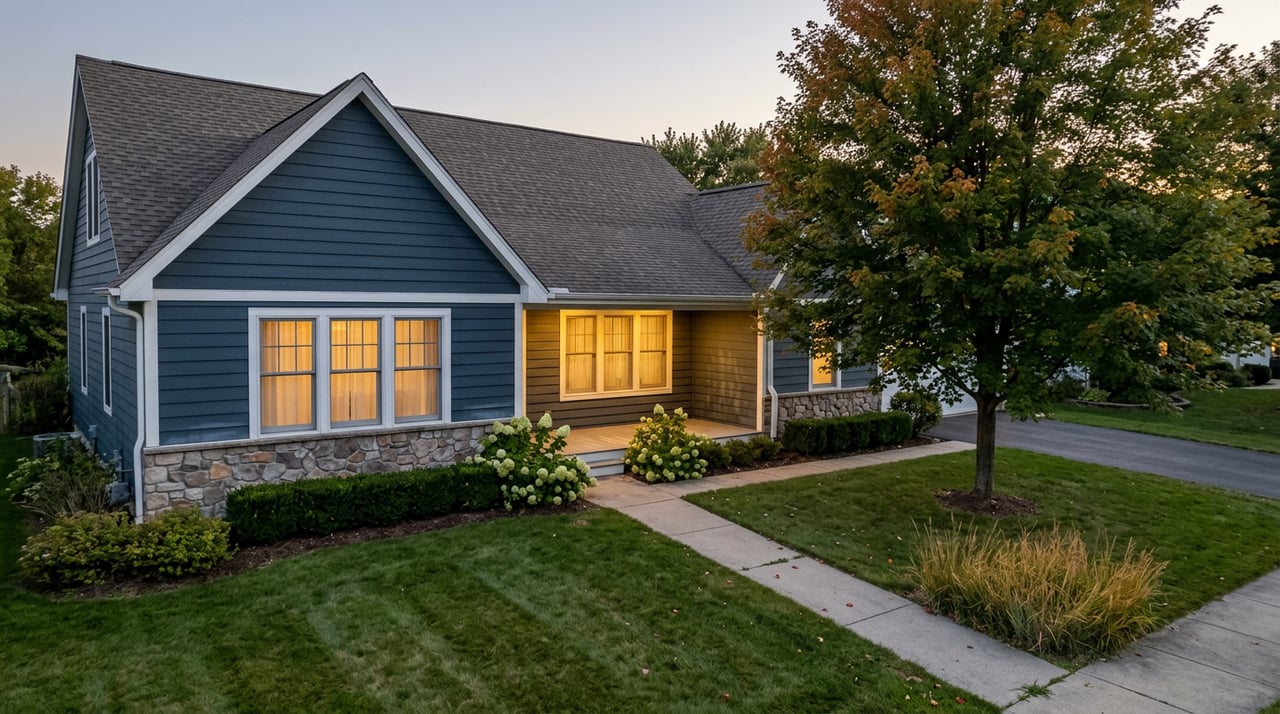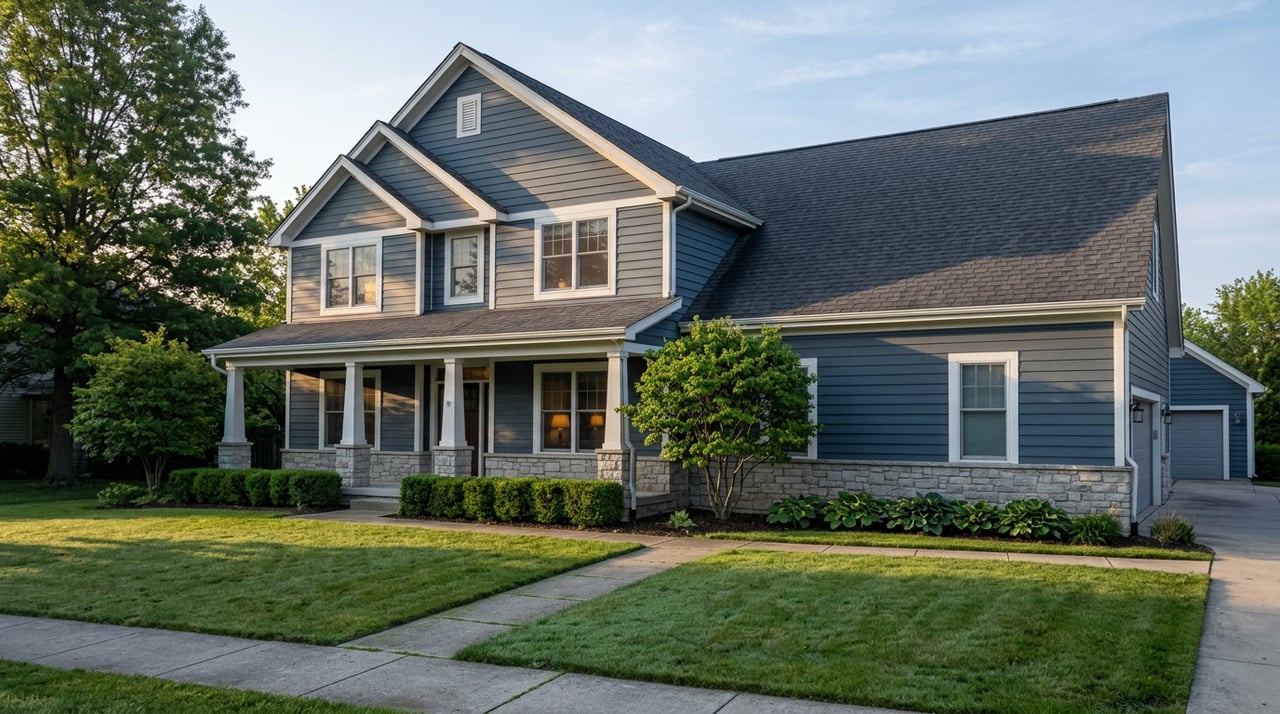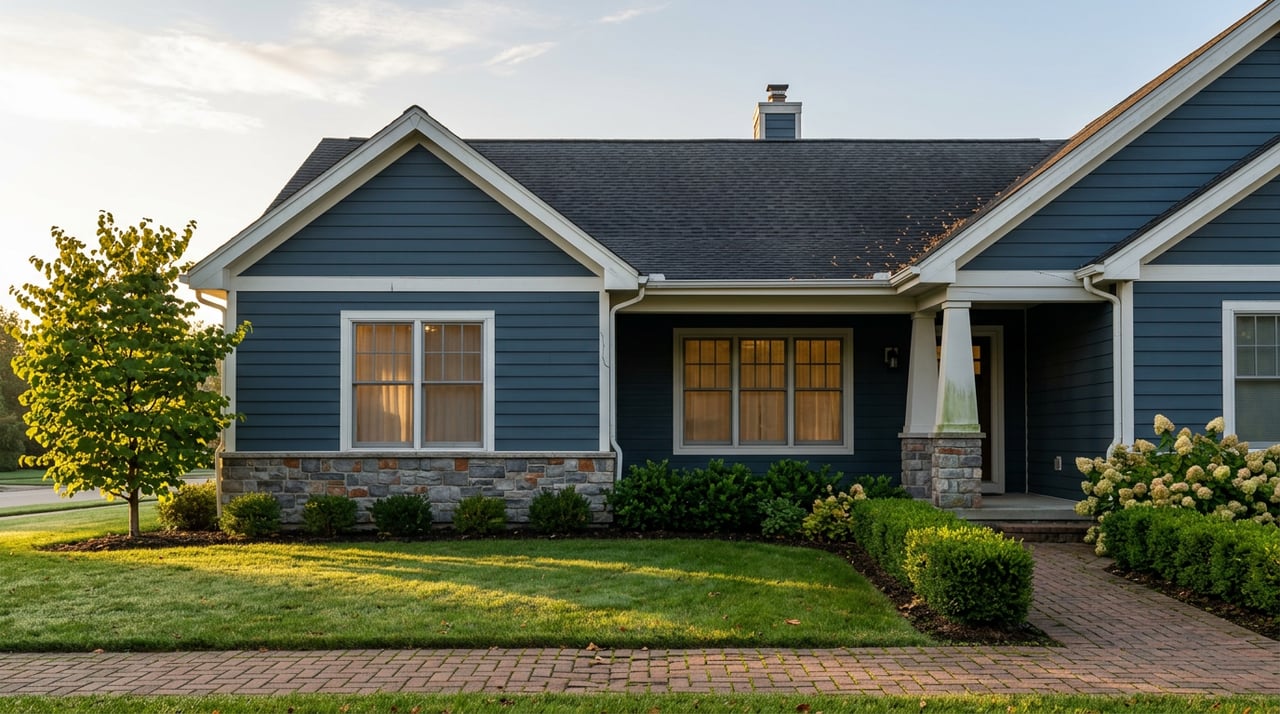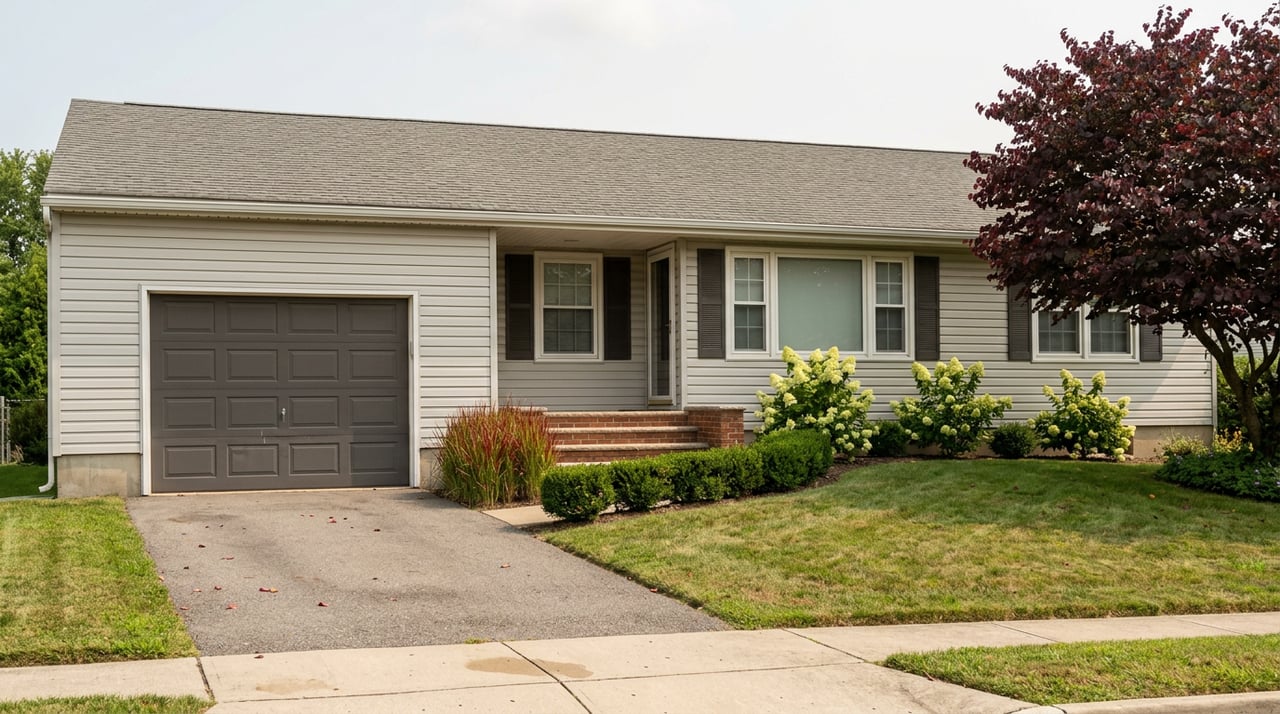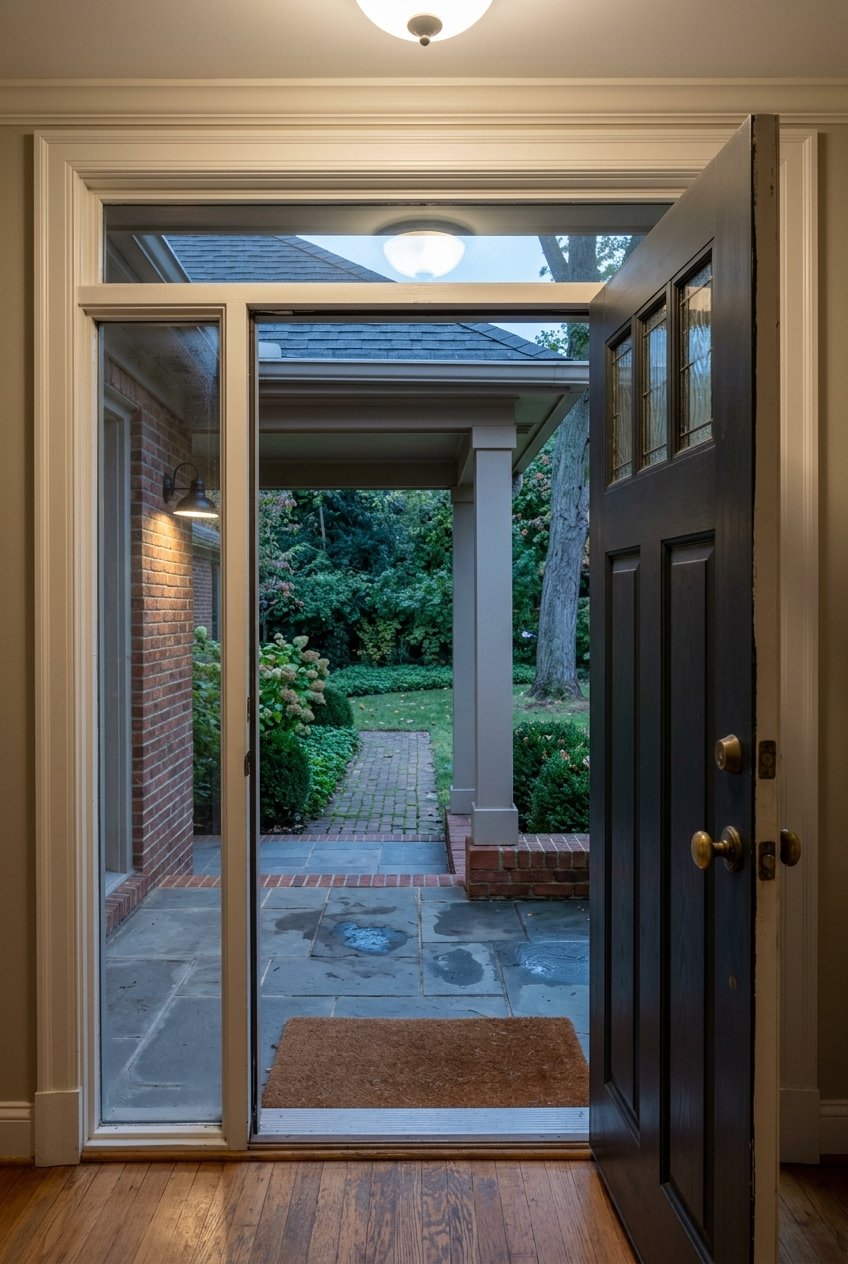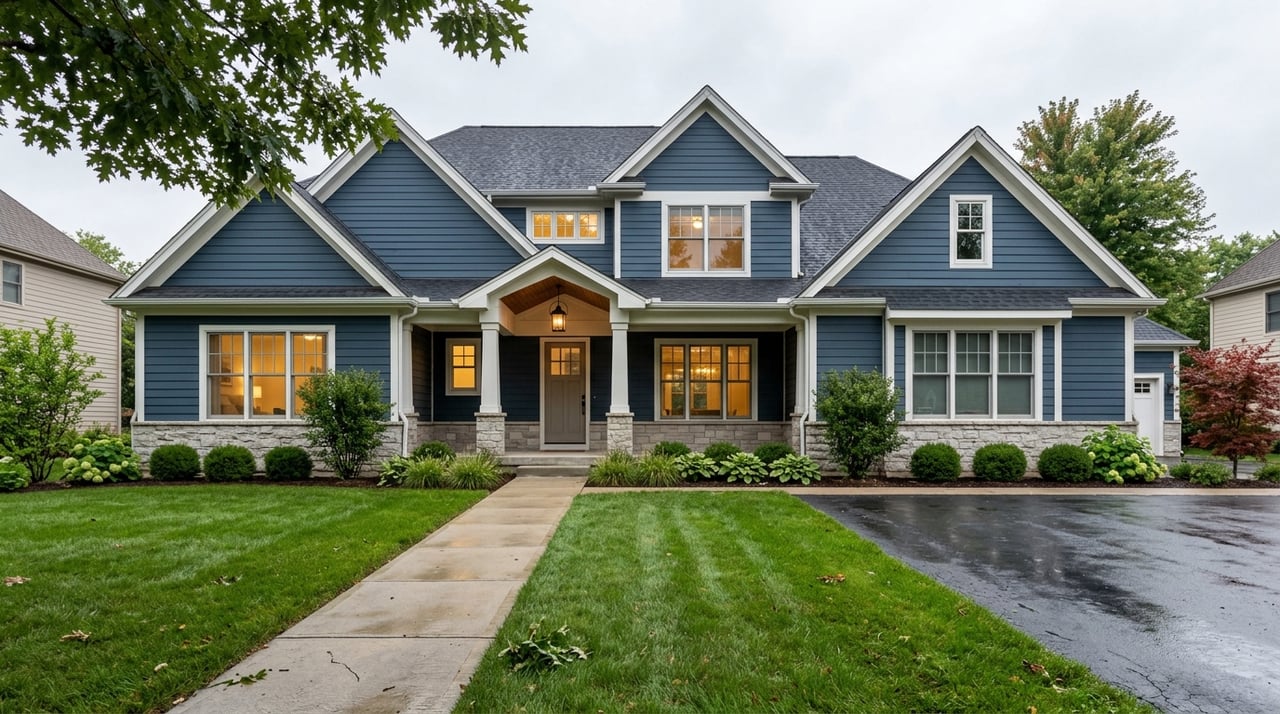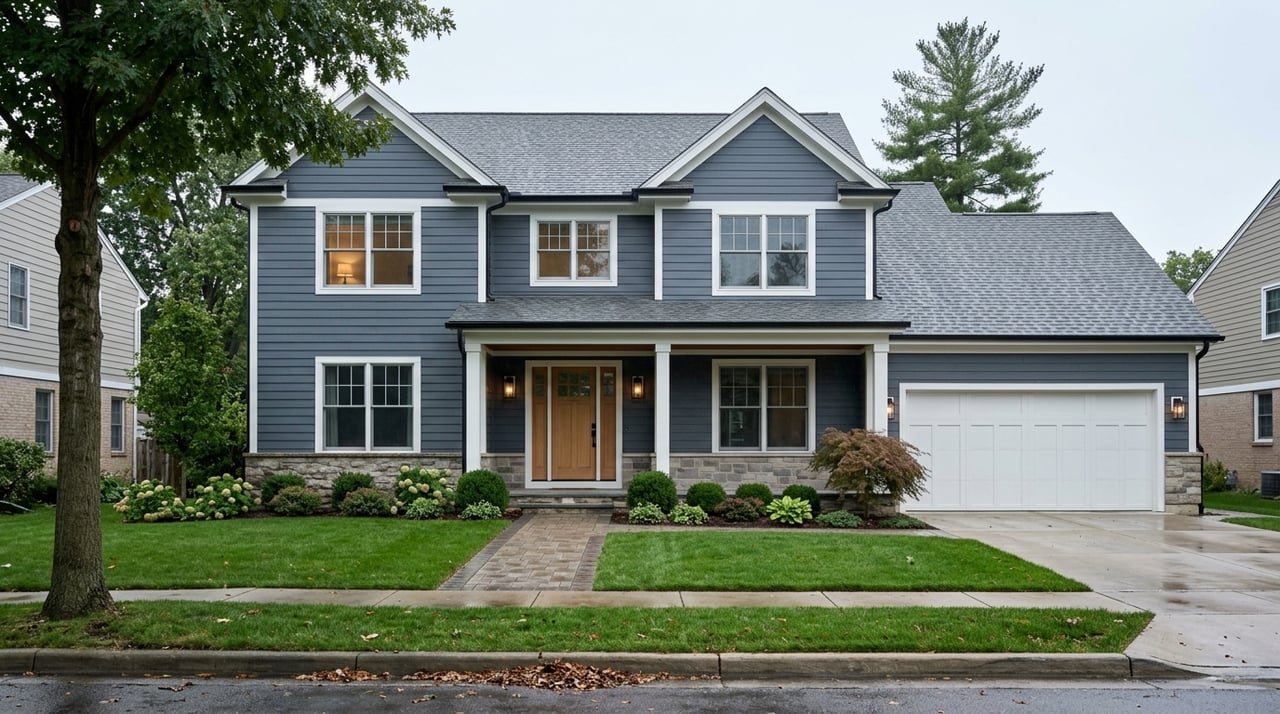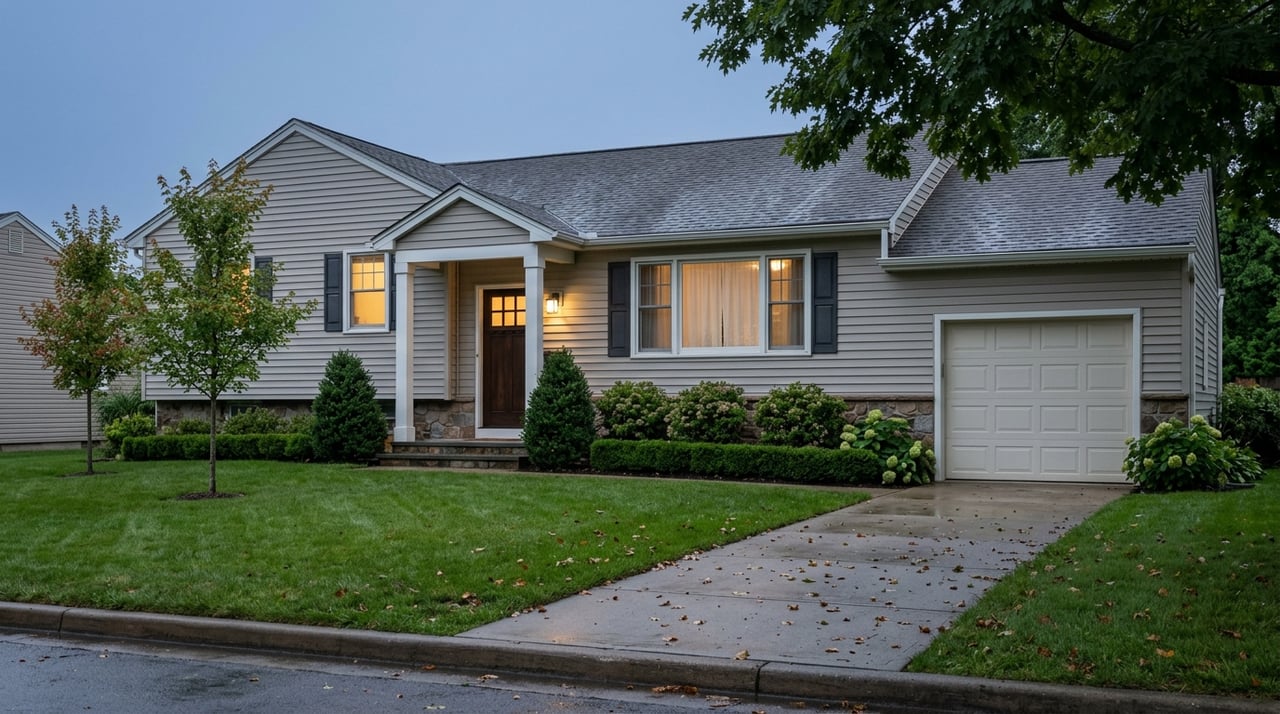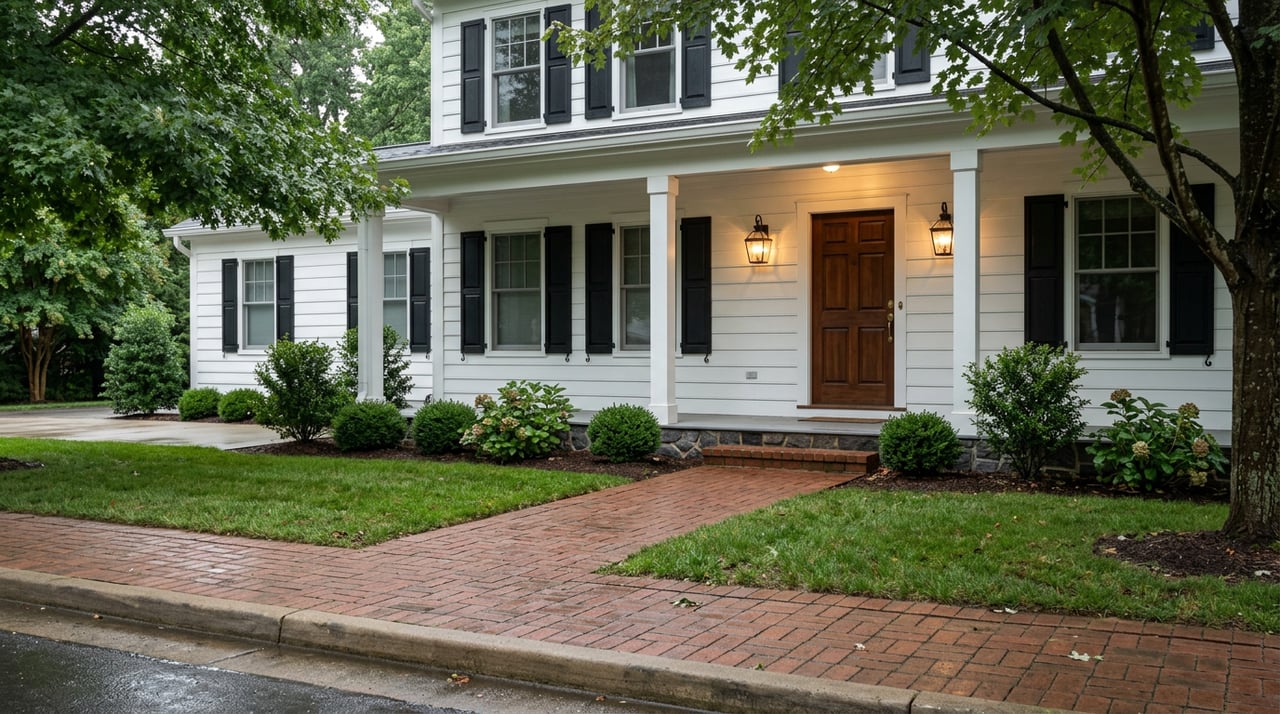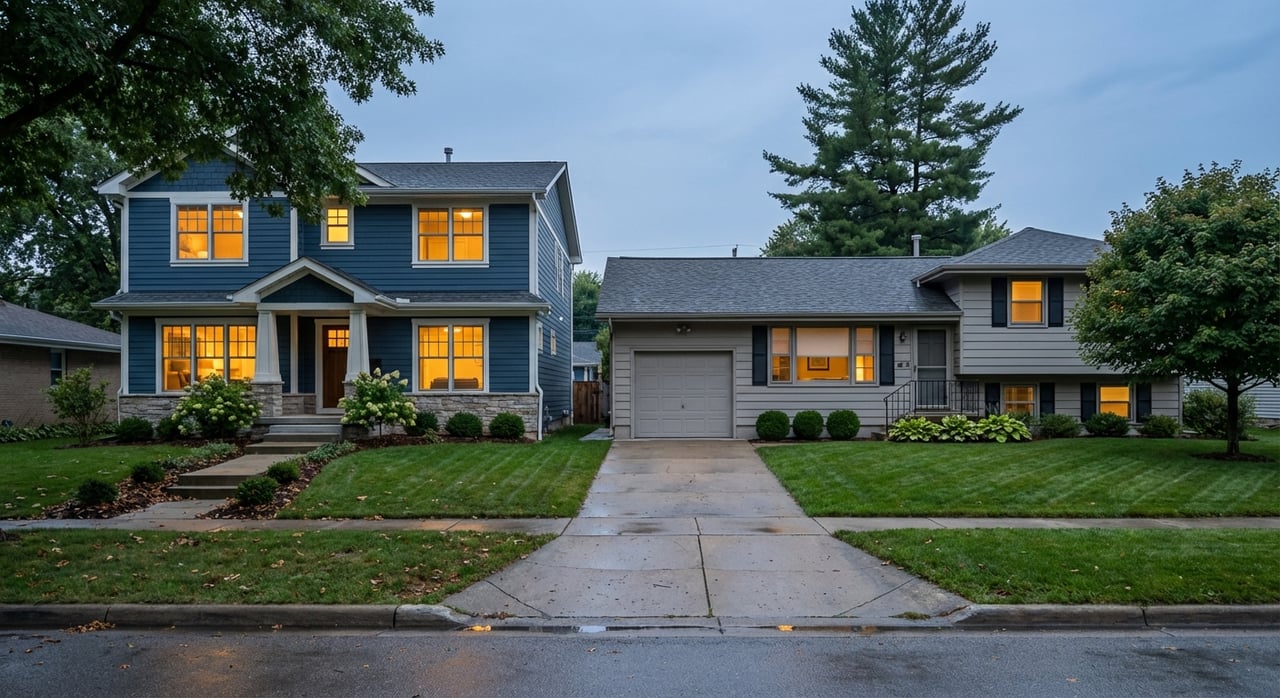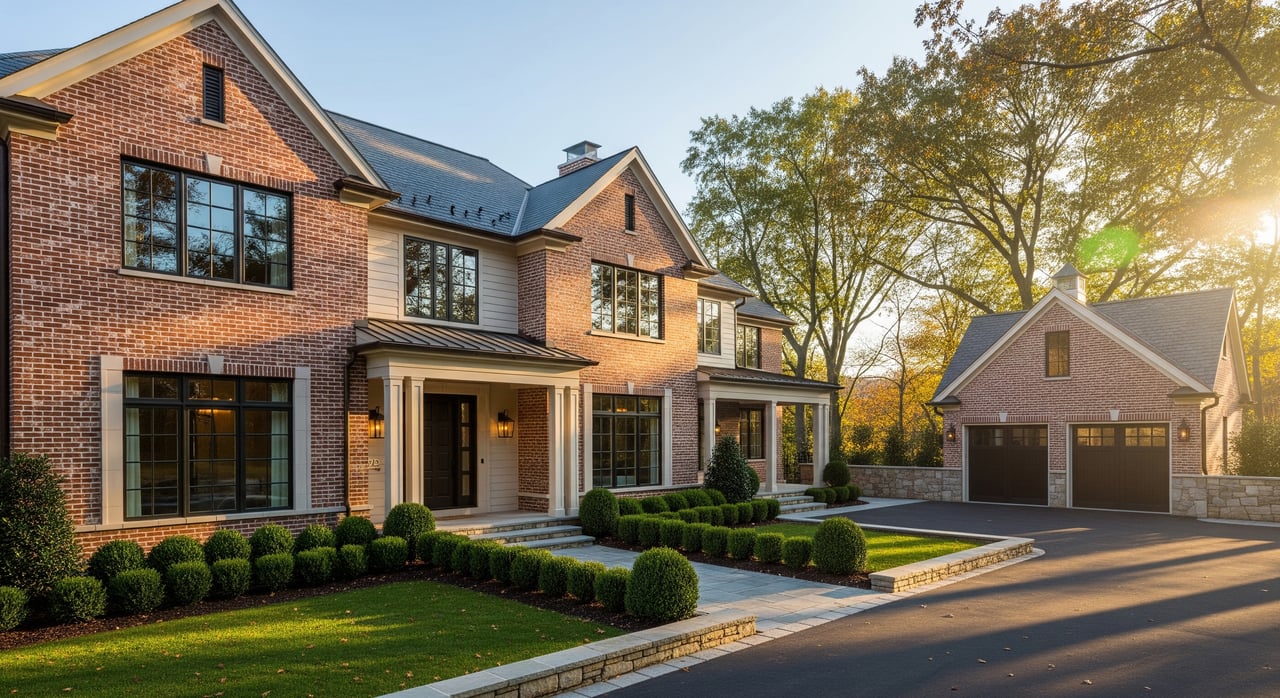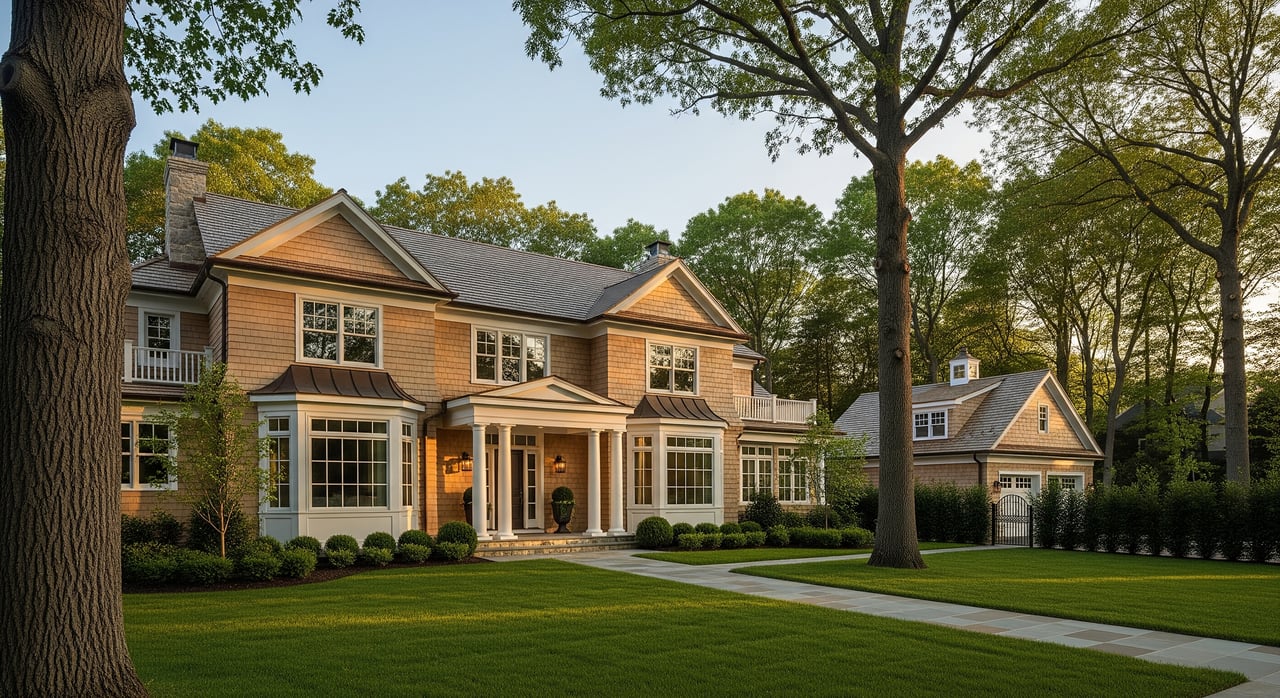
Choosing between a historic home and a newer build in Moorestown is not just about looks. It is about how you want to live, what kind of upkeep you can handle, and how much flexibility you want when making changes over time. If you are weighing charm against convenience, this guide will help you compare both paths in a way that fits Moorestown’s housing market. Let’s dive in.
Why This Choice Matters in Moorestown
Moorestown has a long history and a housing market that reflects it. The township was founded in 1682, and its Main Street area remains a central part of the community’s identity according to township history and the 2025 preservation ordinance.
That history shows up clearly in the housing stock. Moorestown’s 2025 housing plan reports a median year built of 1969, with 23.8% of homes built in 1939 or earlier and only 0.7% built in 2020 or later. In practical terms, that means you are usually comparing older homes with a very limited supply of truly new construction.
Moorestown also tends to be a place where people stay. Census QuickFacts shows an 81.3% owner-occupied rate and 91.5% of residents living in the same home one year ago, with a median owner-occupied value of $697,200. That makes your choice less about chasing trends and more about finding the version of Moorestown that fits your daily life and long-term plans.
What Historic Charm Means Locally
In Moorestown, historic charm is not limited to a single landmark home. The township’s 2025 ordinance created a designated historic district with a period of significance from about 1720 to 1940, including East and West Main Street, Chester Avenue, High Street, and nearby blocks.
That matters because the experience is about more than one house. It is the streetscape, the older road patterns, and the established feel of central Moorestown that often attract buyers who want character and a stronger sense of place.
The township’s preservation materials also point to long-standing local landmarks and corridors. Old Salem Road dates to 1692, Kings Highway to 1765, and the Moorestown Community House, built in 1926, has served as a civic and social center for generations. If you love homes that feel connected to local history, Moorestown offers that in a very visible way.
Why Buyers Choose Historic Homes
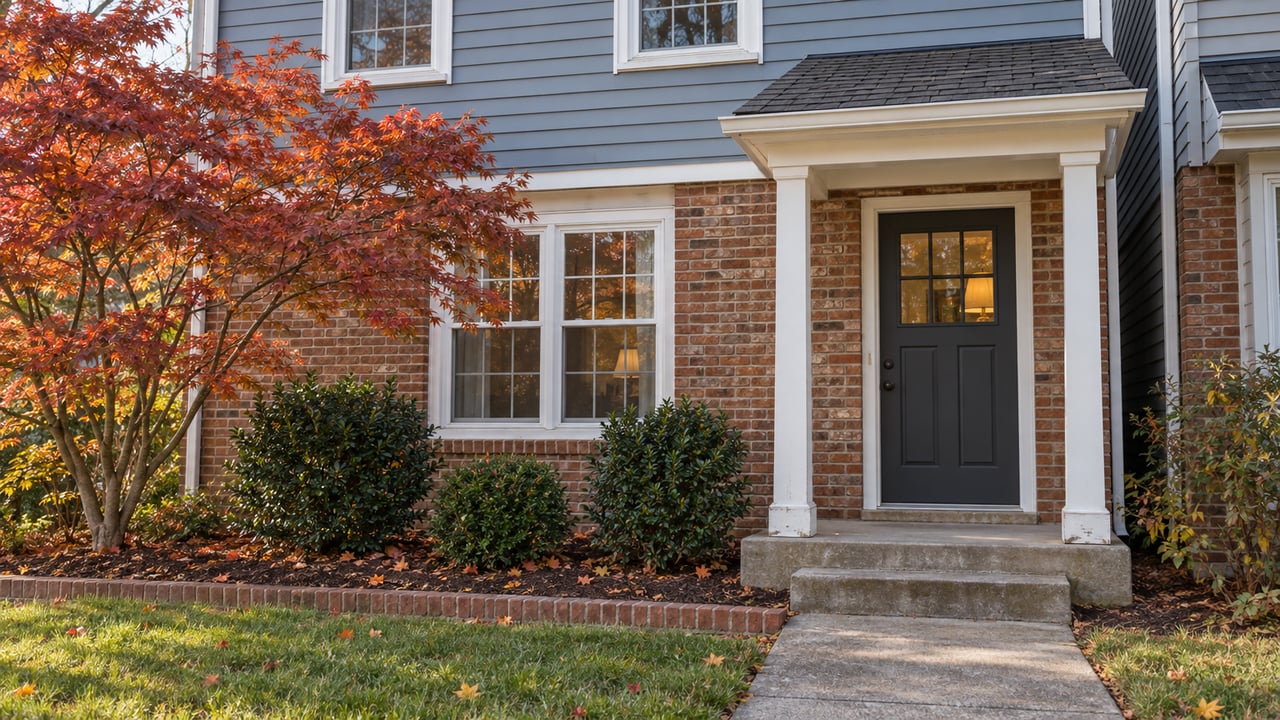
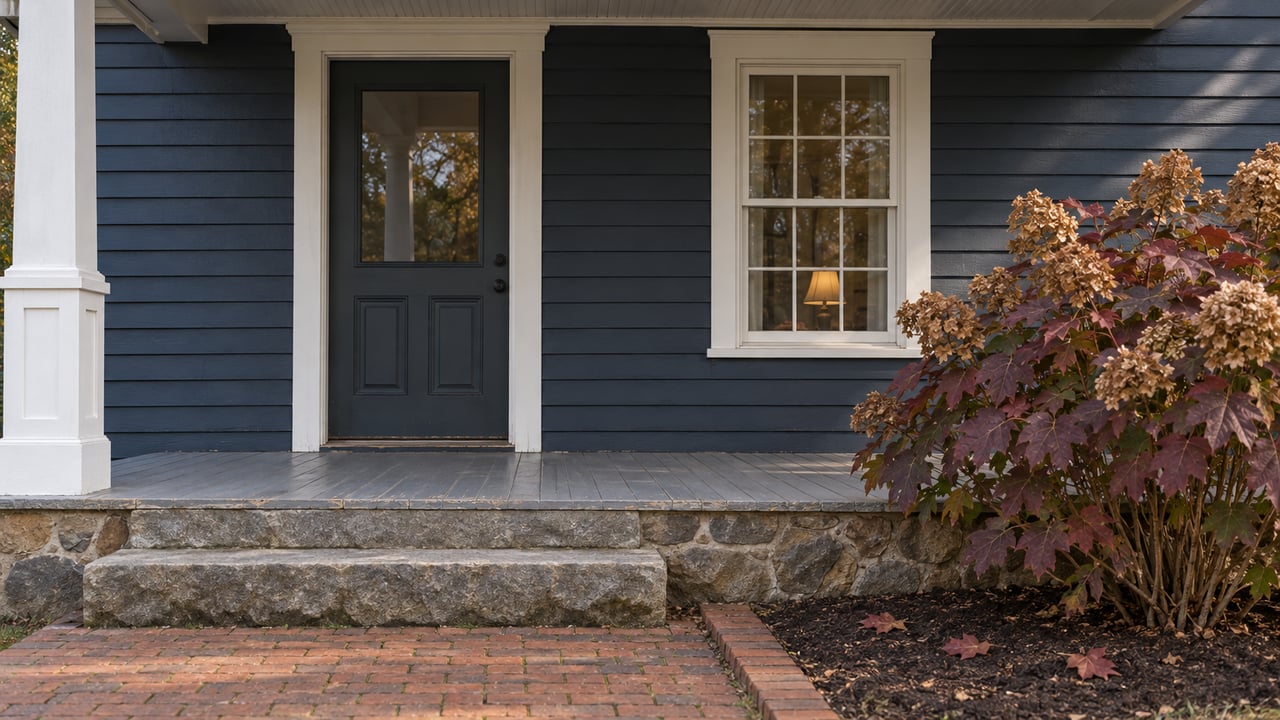
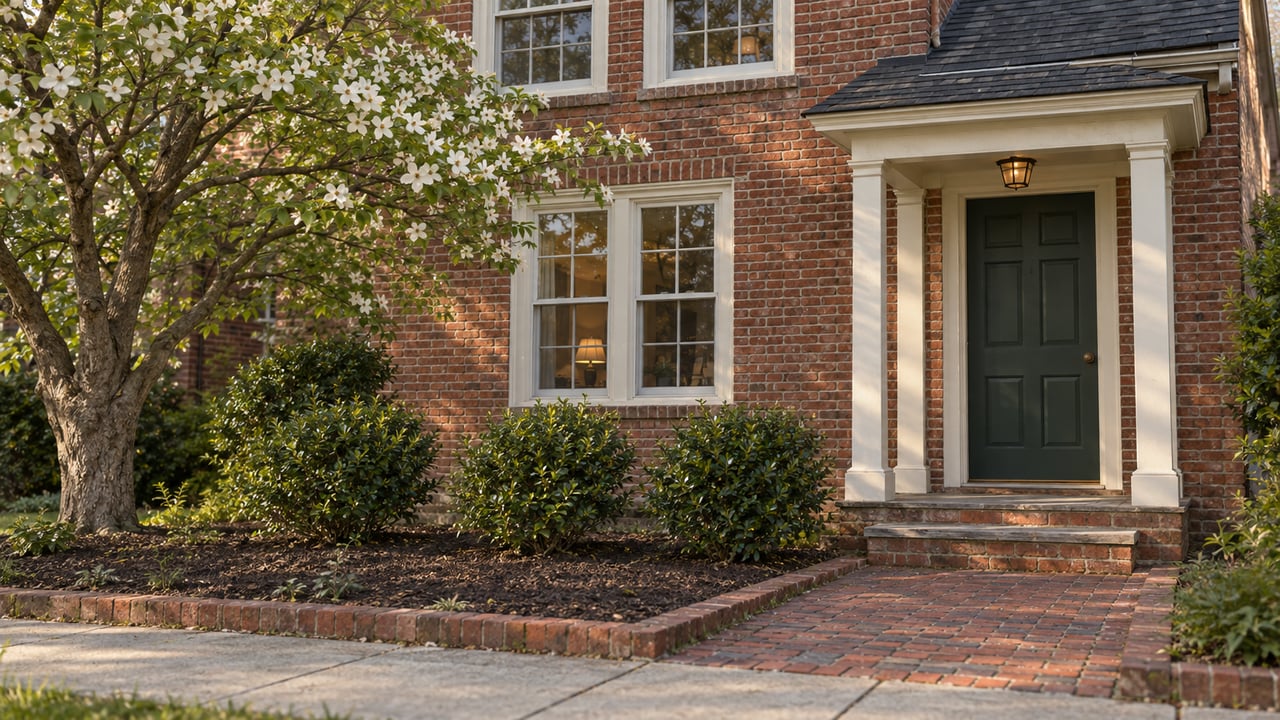
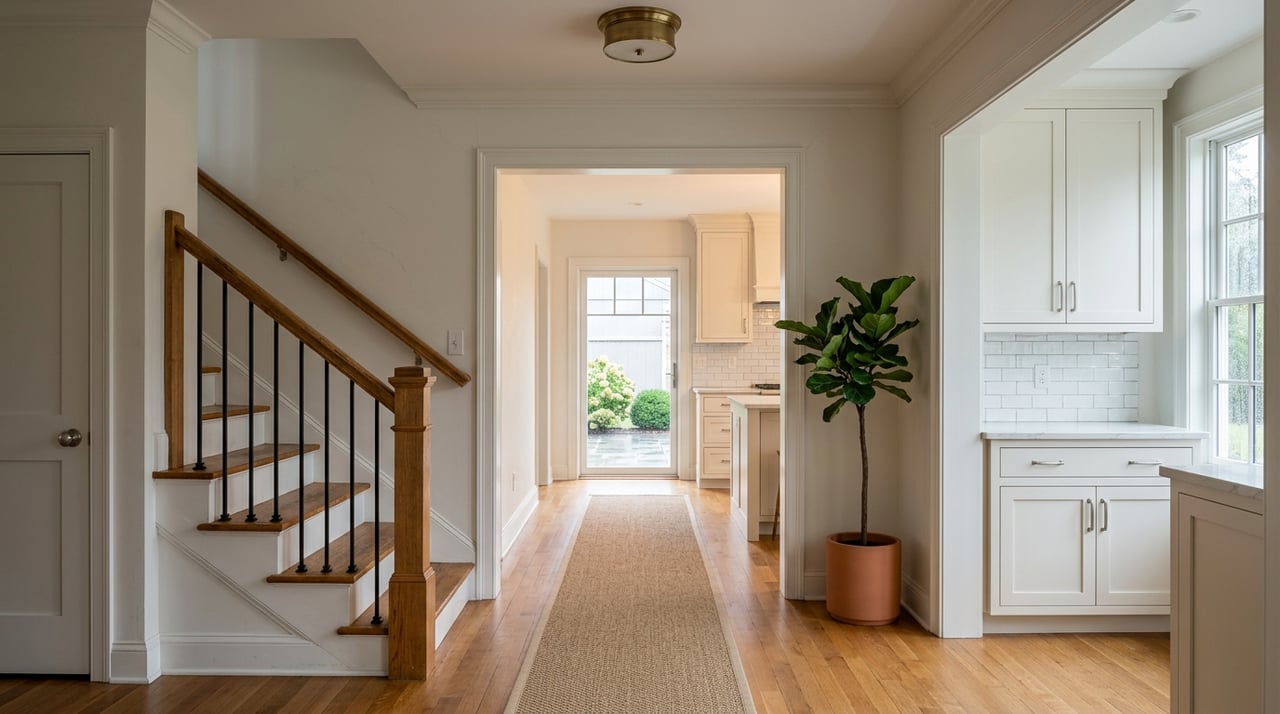
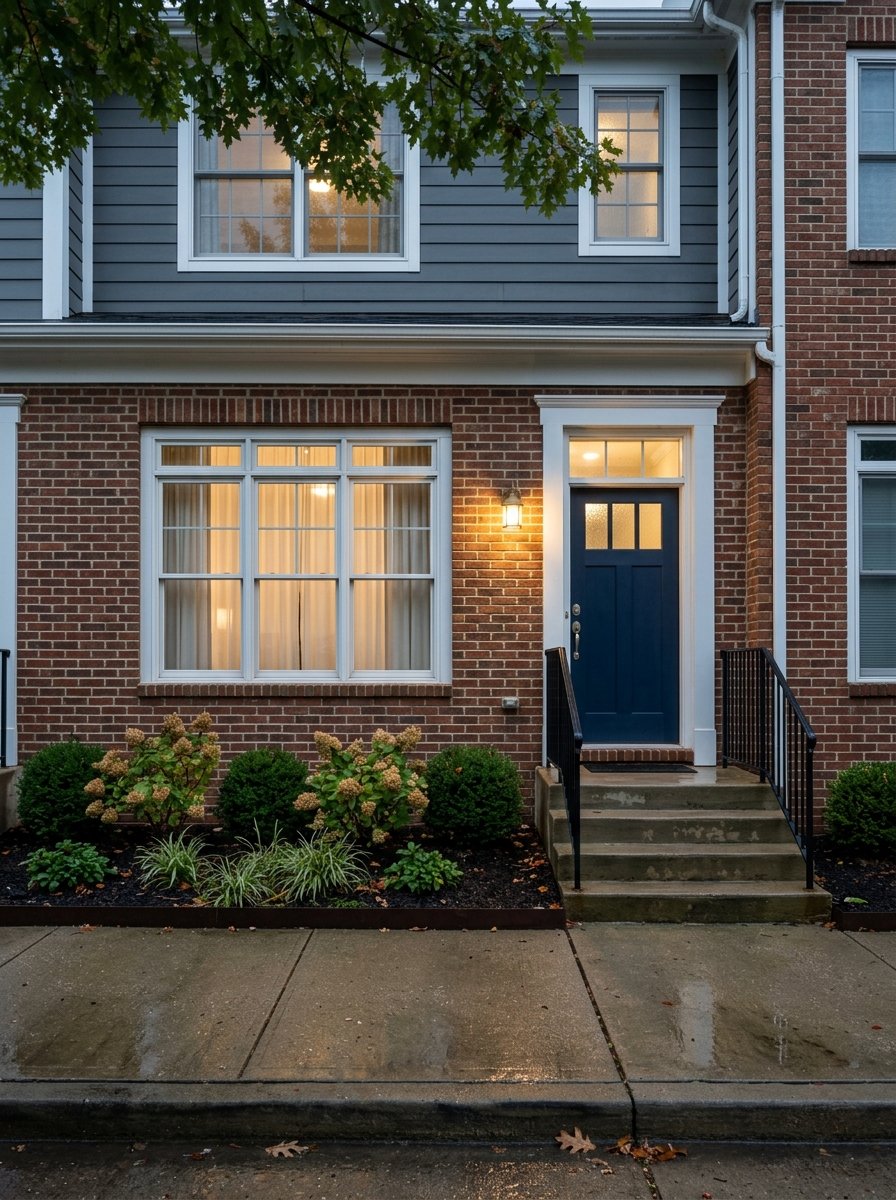
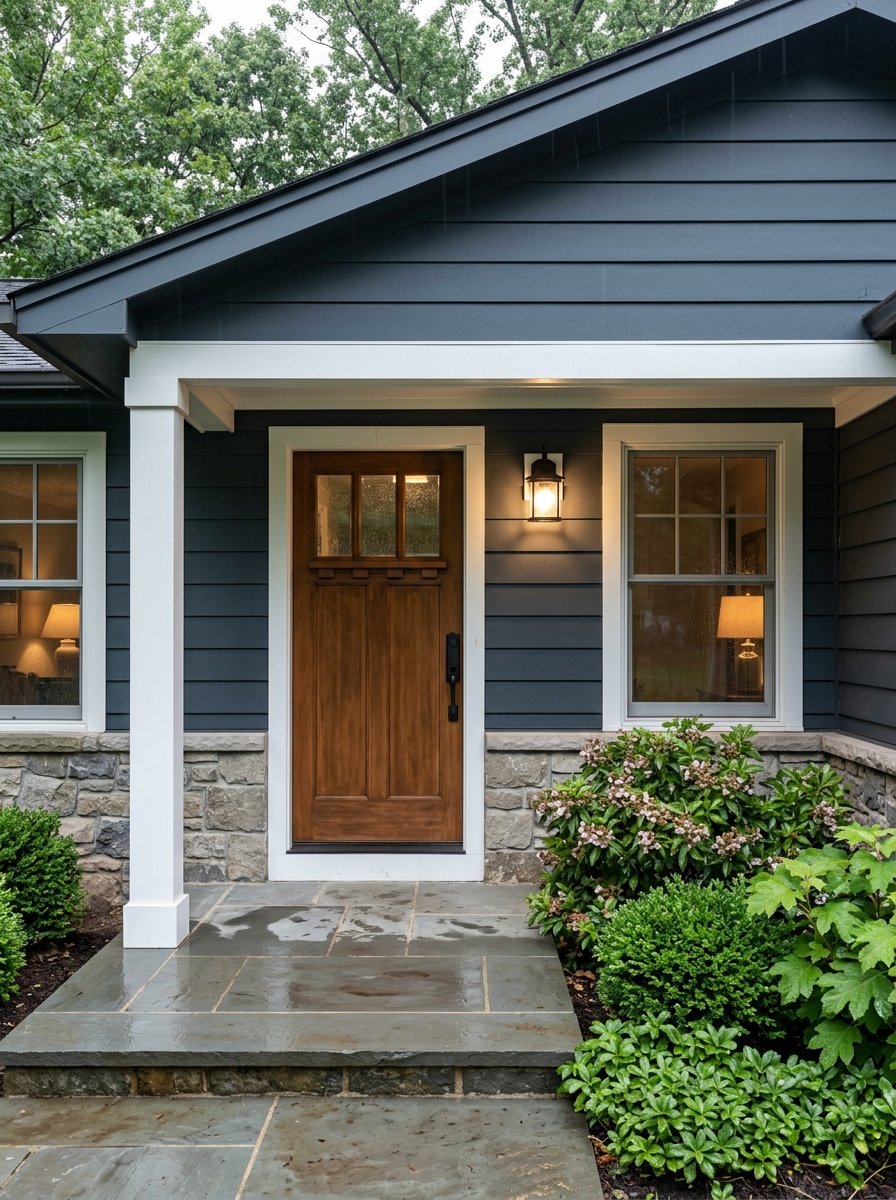
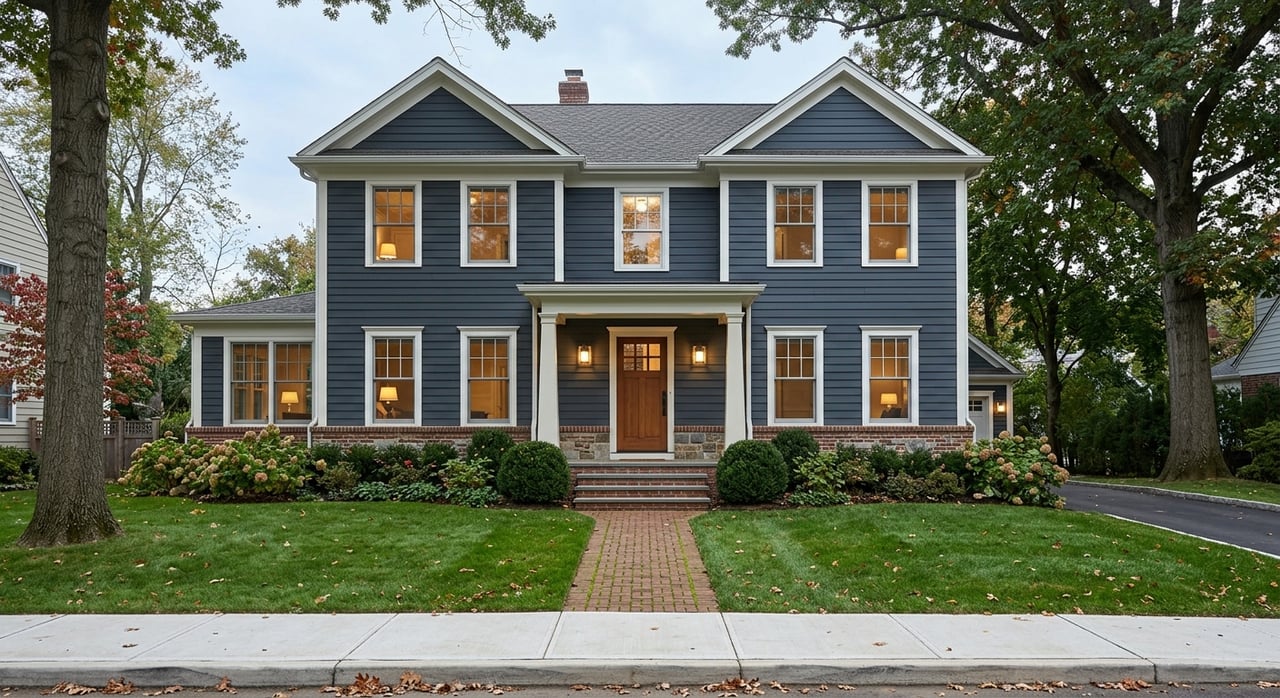
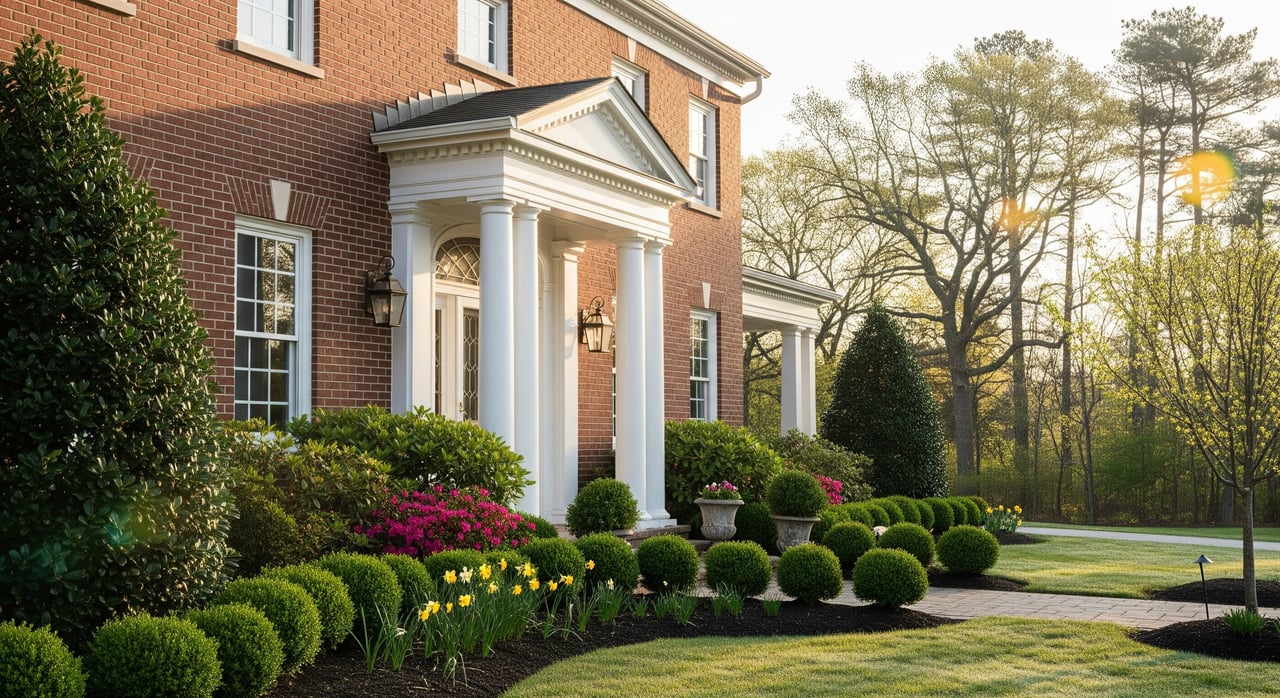
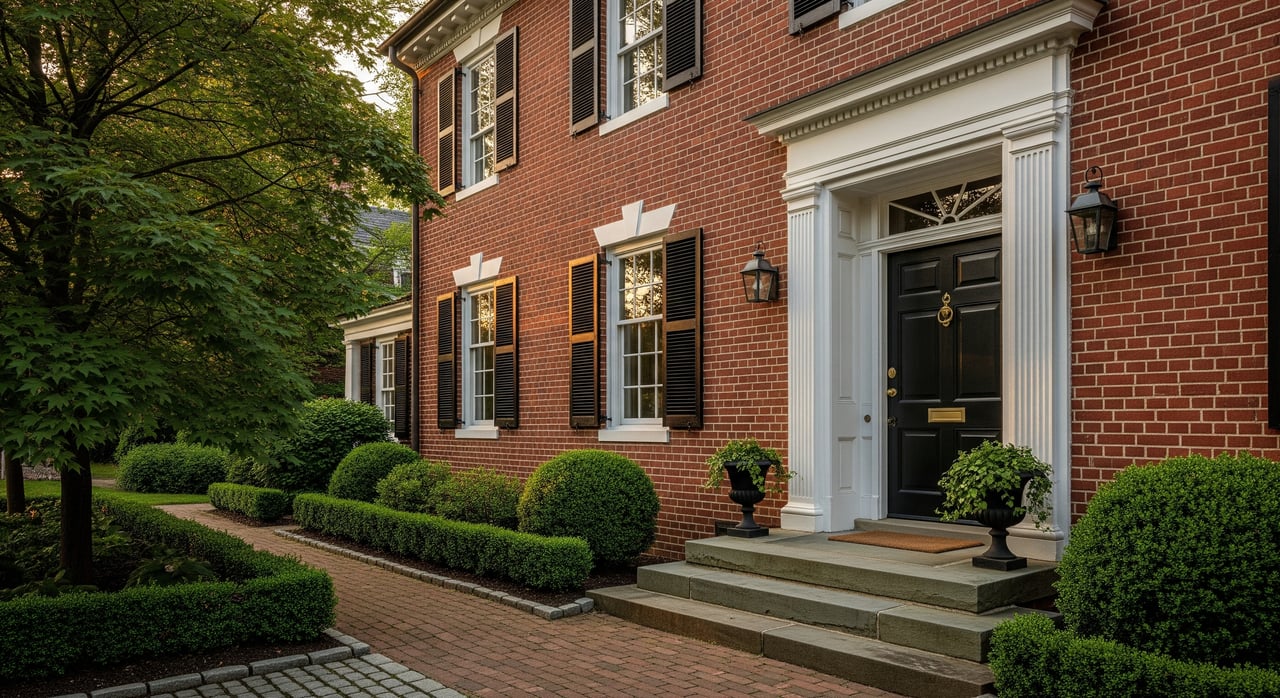
Historic homes often appeal to buyers who value architecture, mature surroundings, and details that are hard to reproduce in newer construction. You may find original trim, distinct facades, traditional room layouts, and a setting that feels established from day one.
There can also be a broader community benefit to preservation. Moorestown’s ordinance says preservation should protect heritage, encourage reuse, maintain a harmonious setting, and promote private investment and the township’s economic welfare.
For some buyers, that sense of permanence matters just as much as square footage. If you want a home that feels rooted in Moorestown’s identity, an older property may check that box better than a newer build.
Historic Home Tradeoffs to Expect
The biggest tradeoff with historic homes is usually not charm. It is process, maintenance, and planning. Older homes can require more attention over time, especially when it comes to insulation, air sealing, moisture control, and ventilation.
There may also be rules around exterior changes. In Moorestown, a Certificate of Appropriateness is required before work begins on historic-site or contributing-property projects, and the review can apply to additions, replacements, fences, decks, certain solar changes, and even new construction within the district.
That does not mean every property is treated the same way. The ordinance distinguishes between contributing and non-contributing properties, so requirements can vary depending on the home. Still, if you want total freedom to make exterior changes quickly, this is something to understand before you buy.
Can You Modernize a Historic Home?
In many cases, yes. Modernizing a historic home does not have to mean stripping away what makes it special.
Guidance in the research report shows that older and historic homes can often be improved through weatherization, insulation, moisture management, and careful window repair or upgrades like weatherstripping and storm windows. The key is making improvements that support comfort and efficiency without diminishing the home’s historic character.
That balance is often where good planning matters most. If you love older homes but want better day-to-day performance, a thoughtful approach can help you get both.
Why Buyers Choose New Builds
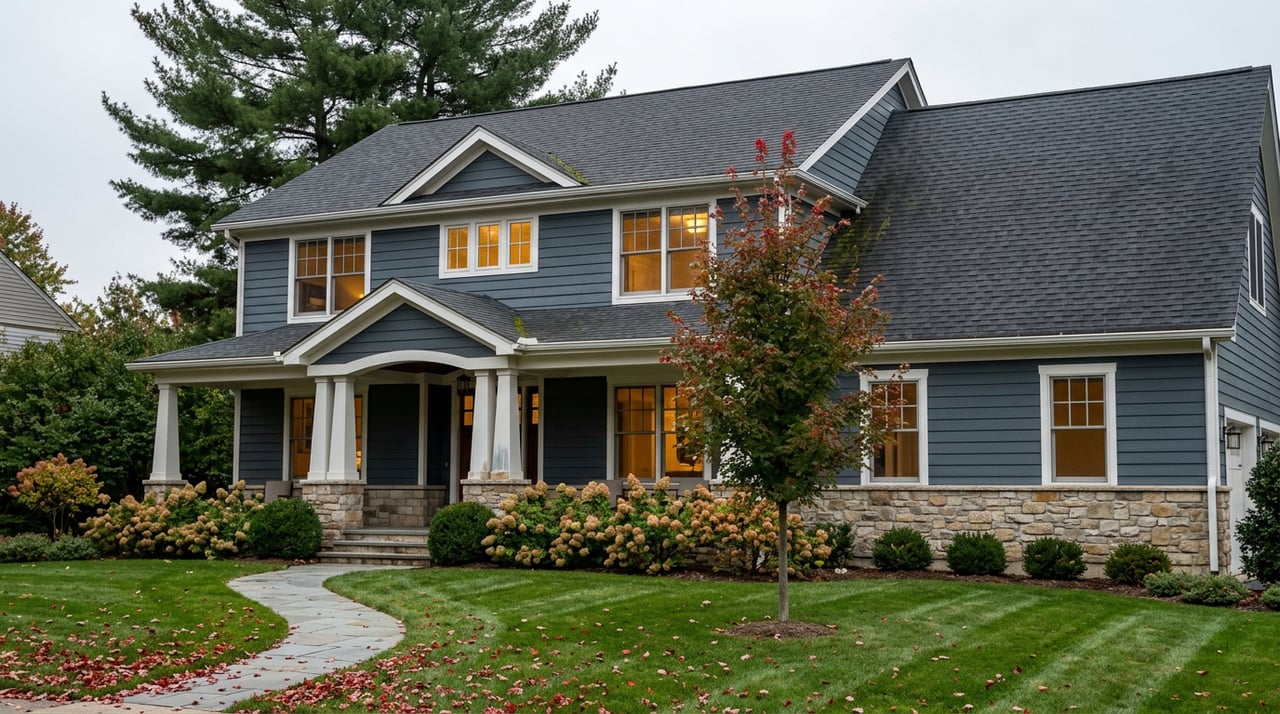
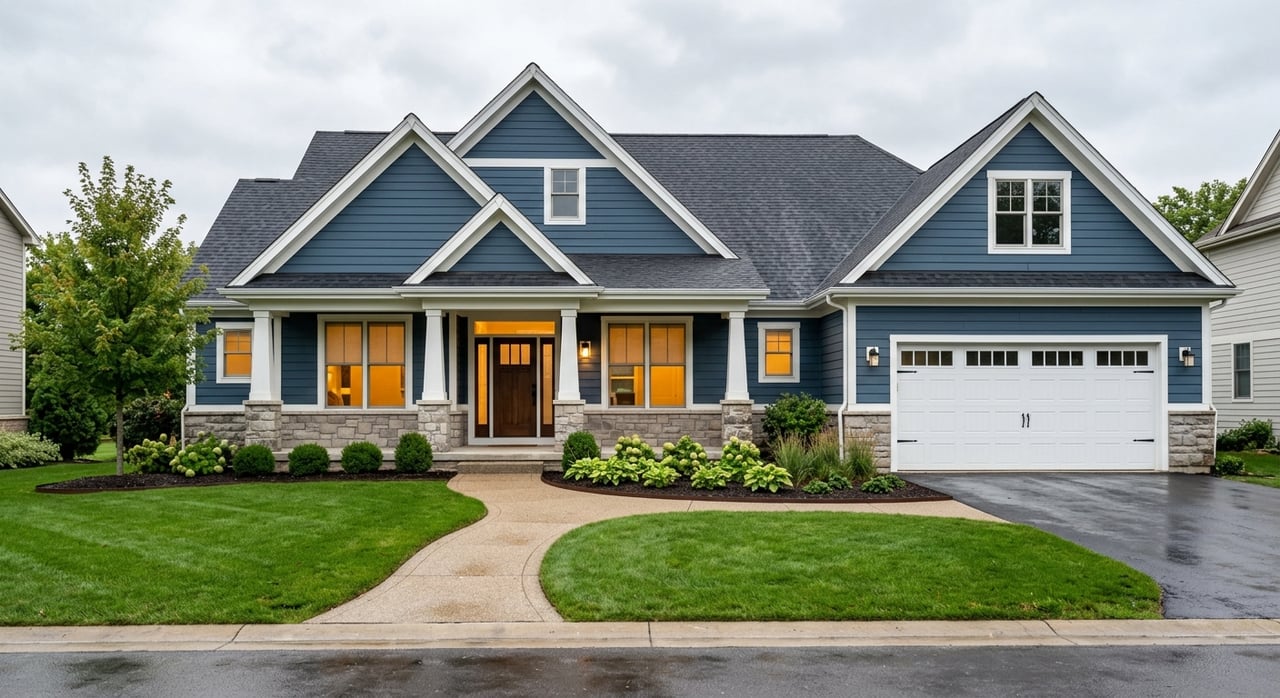
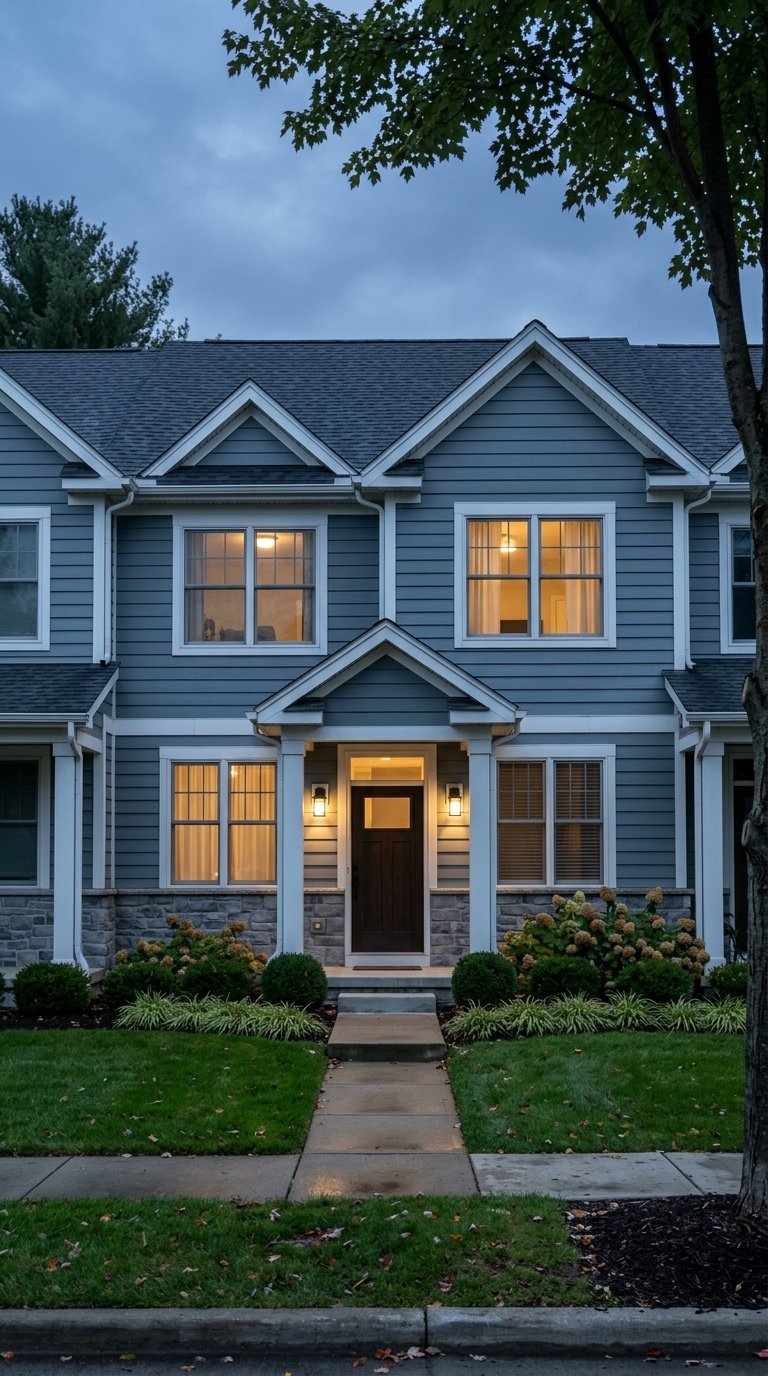
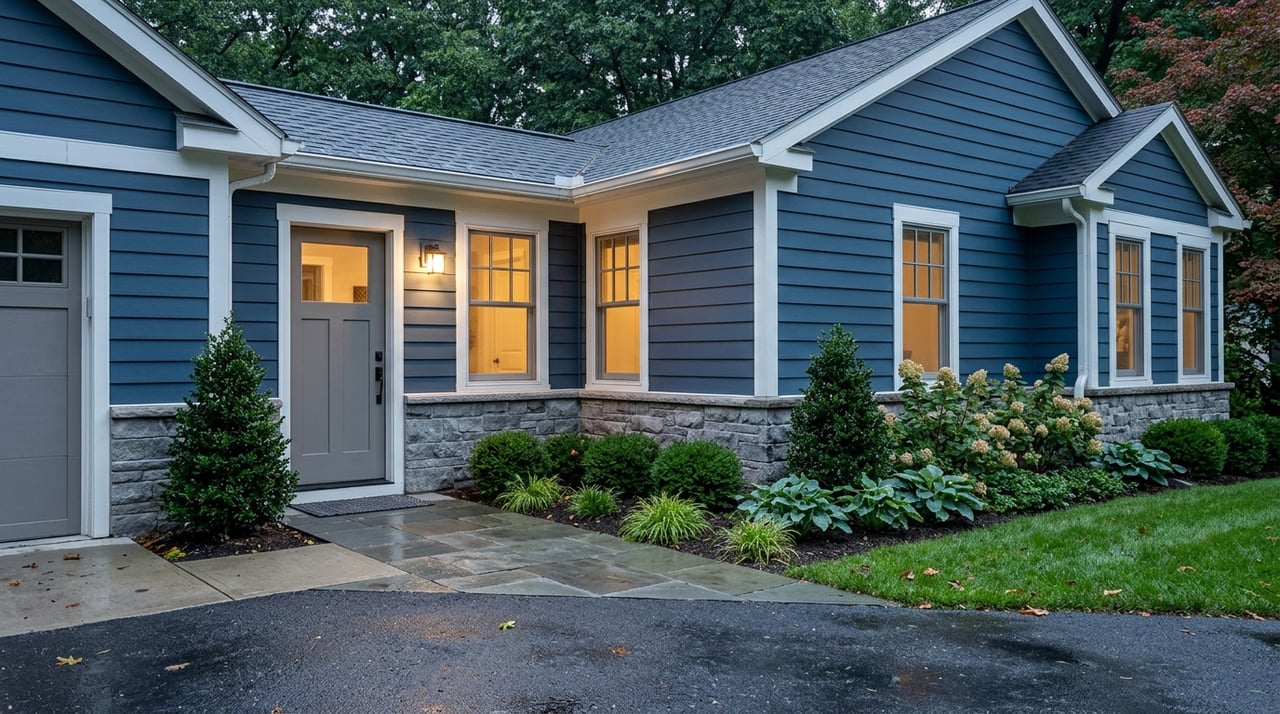
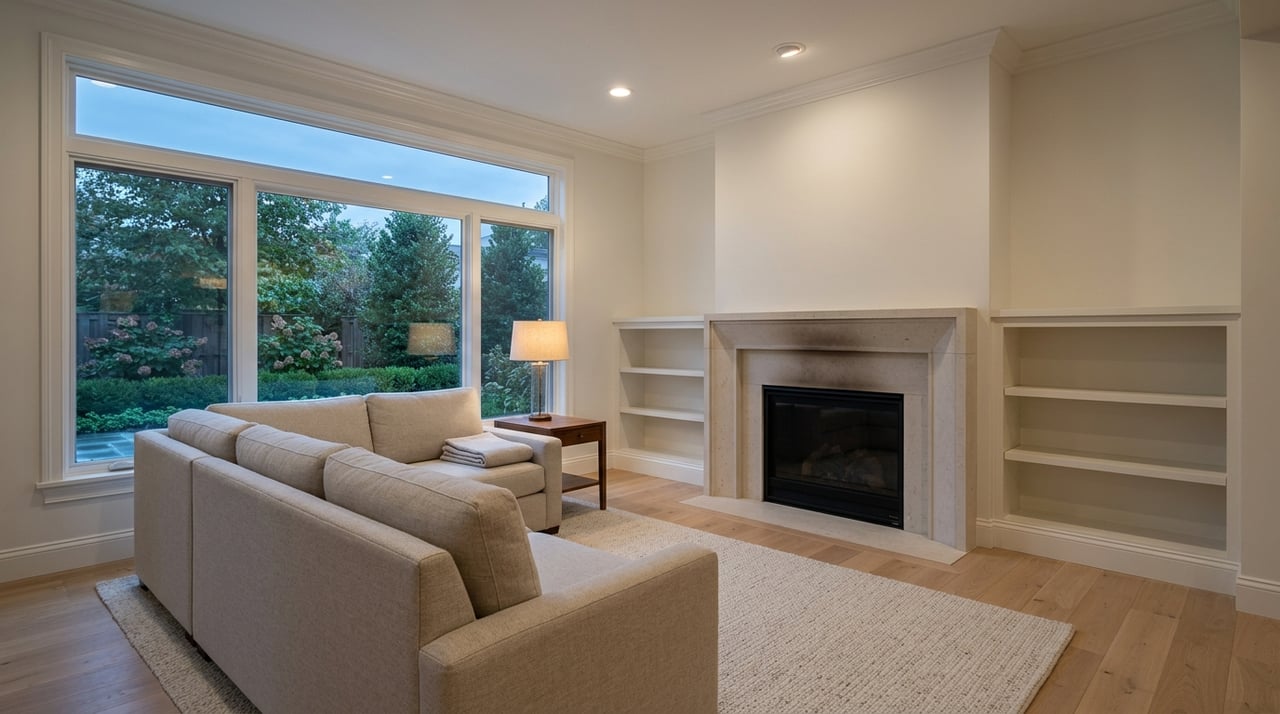
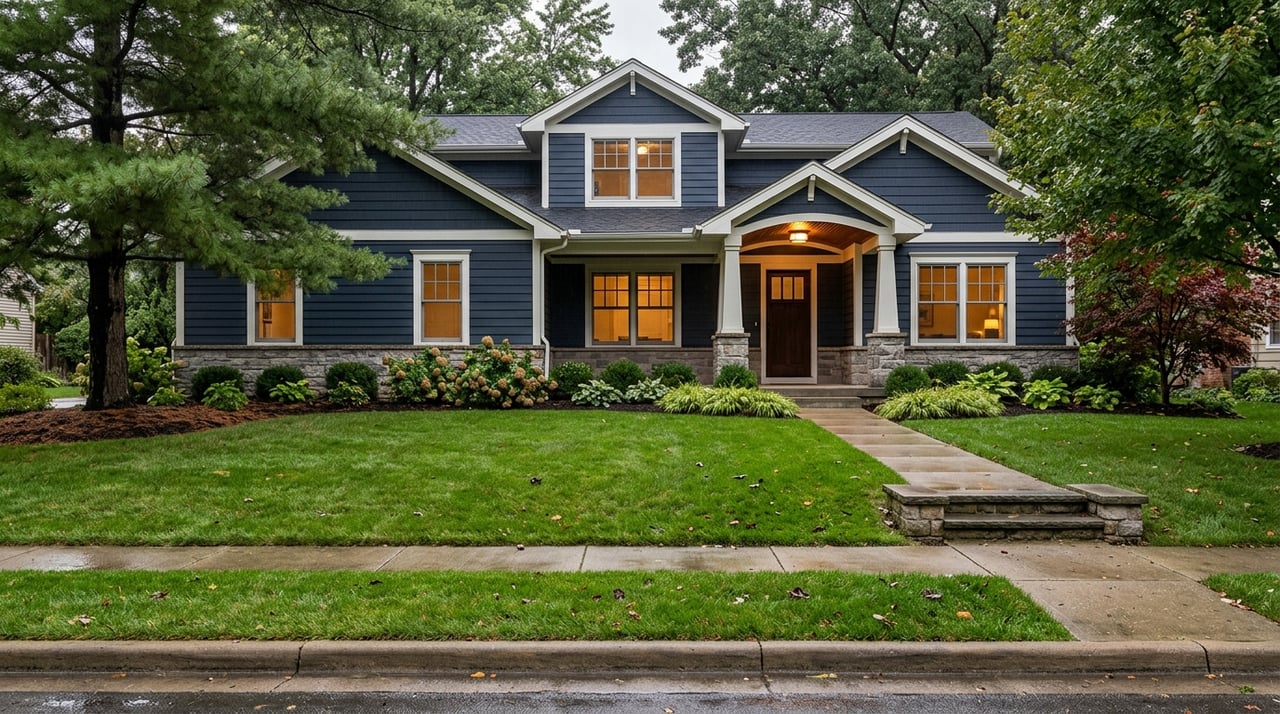
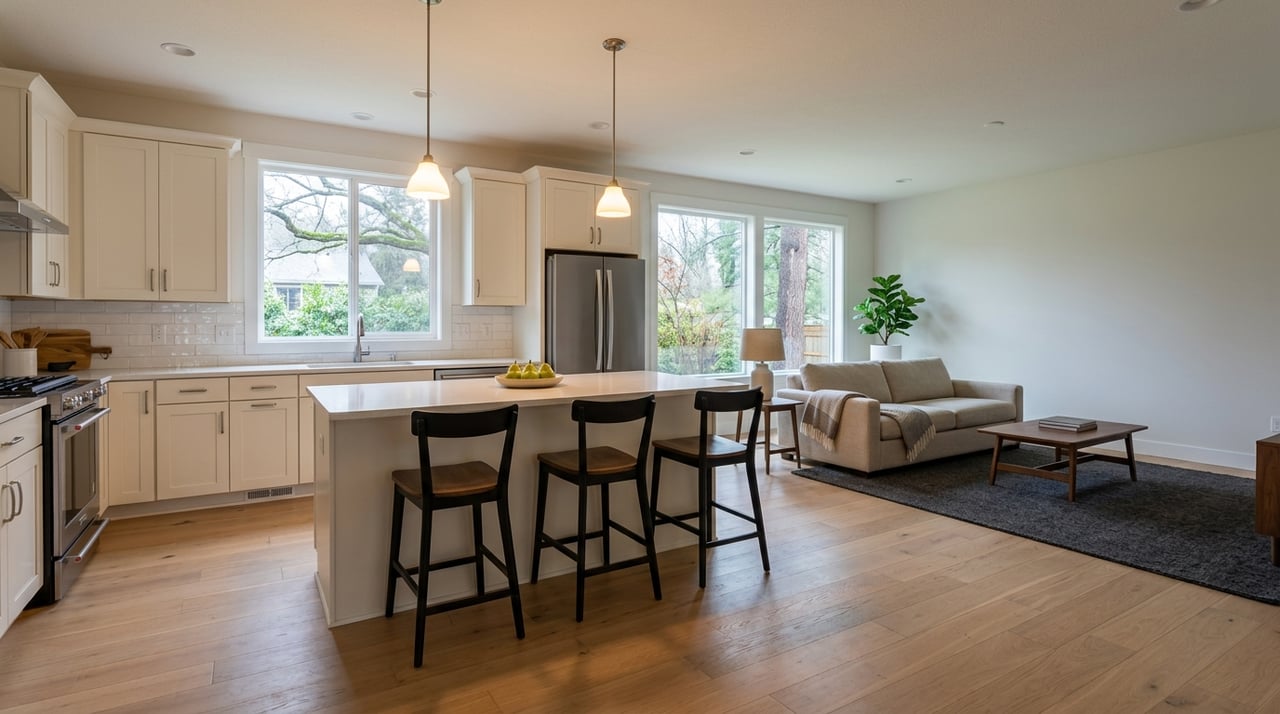
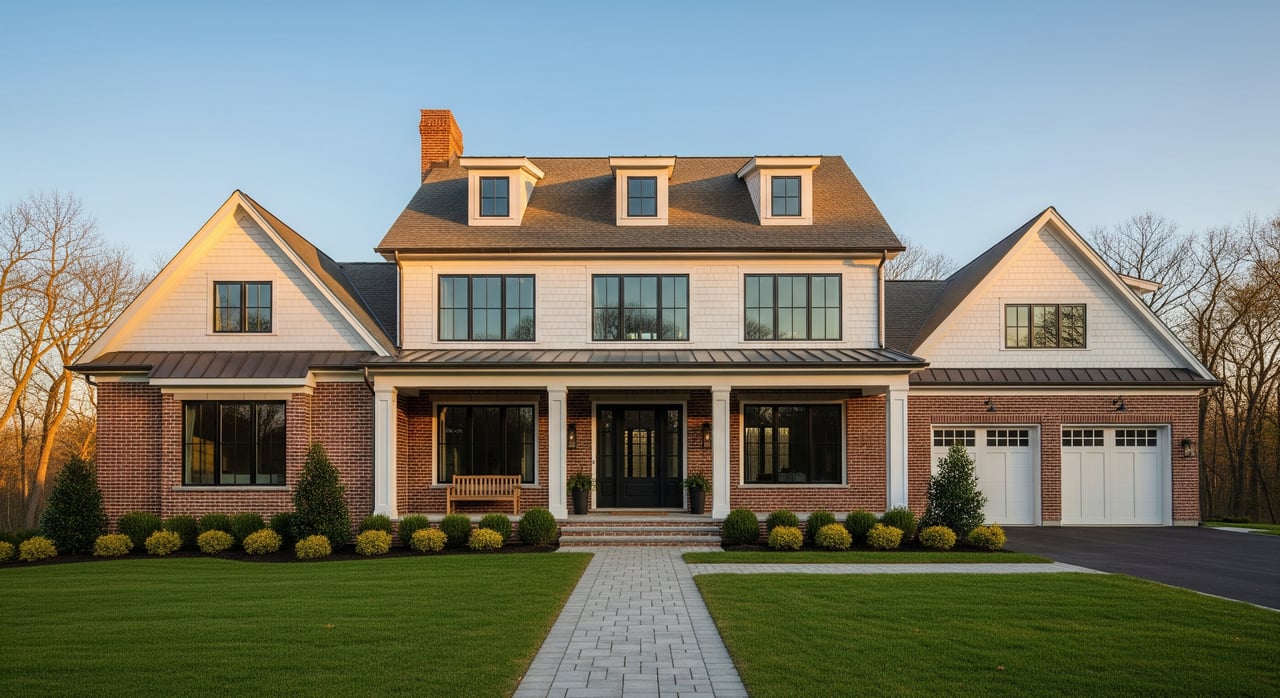
Newer homes usually attract buyers who want more current systems, better baseline efficiency, and layouts that feel more open. If your priority is convenience, lower immediate upkeep, or a more modern flow between kitchen and living areas, a newer home may feel like the easier fit.
The research report notes that efficient new homes are typically designed as integrated systems for performance, comfort, durability, and efficiency. That can be a meaningful advantage if you want a move-in-ready home with fewer near-term updates.
Layout is another major factor. Newer homes often reflect today’s preference for more connected living spaces, while many older homes were built around more separate, room-by-room patterns.
The Moorestown Catch With New Construction
The challenge is supply. Moorestown’s housing plan shows only 56 units built in 2020 or later, which is a small share of the local housing stock.
That means buyers looking for brand-new construction may have fewer options than they expect. You may need to act quickly when newer inventory becomes available, or broaden your idea of what counts as “new enough” if your main goal is modern systems and simpler upkeep.
There is another local wrinkle too. If a new home is located within the historic district, it is still subject to compatibility review under township rules. So even new construction is not always treated like a blank slate in Moorestown.
Historic vs. New: A Simple Comparison
| If you value... | Historic home may fit | Newer home may fit |
|---|---|---|
| Architectural character | Yes | Sometimes less so |
| Established streetscape | Yes | Less common |
| Modern layout | Less often | Yes |
| Baseline efficiency | Less often | Yes |
| Lower upkeep at move-in | Less often | Yes |
| Flexibility for exterior changes | Sometimes limited | Often simpler, depending on location |
| Access to very limited inventory | More options in Moorestown | Fewer options in Moorestown |
How to Decide What Fits Your Life
The best choice usually comes down to three things: your renovation tolerance, your comfort with exterior approval steps, and your preference for character versus convenience.
A historic Moorestown home may be the better fit if you:
- Want to live in one of the township’s older, more established areas
- Appreciate architectural details and traditional streetscapes
- Are comfortable budgeting for maintenance over time
- Understand that some exterior work may require formal review
A newer home may be the better fit if you:
- Want more modern systems and stronger baseline efficiency
- Prefer an open layout and more contemporary floor plan
- Want simpler upkeep in the near term
- Are comfortable with the fact that truly new inventory is limited in Moorestown
Think Beyond the House Itself
It helps to picture your everyday routine, not just the listing photos. Ask yourself how much time you want to spend on maintenance, whether you enjoy the personality of older homes, and how important move-in ease is for this stage of life.
This is especially important in Moorestown because the market leans older and owner-occupied. Many buyers are making a long-term decision, not a short-term one, so the better question is often not “Which is better?” but “Which feels better for the way you want to live?”
When you are comparing options in a market like Moorestown, local context matters. A home that looks perfect on paper may come with review requirements, maintenance realities, or inventory tradeoffs that only become clear when you understand the township more deeply.
If you want help weighing historic charm against newer convenience in Moorestown, Ashley Moorhouse can help you compare the options and make a confident move.
FAQs
What counts as a historic home in Moorestown?
- In Moorestown, the designated historic district reflects a period of significance from roughly 1720 to 1940 and includes parts of Main Street, Chester Avenue, High Street, and nearby blocks.
Are there many new construction homes in Moorestown?
- No. Moorestown’s 2025 housing plan shows that only 0.7% of housing units were built in 2020 or later.
Do historic Moorestown homes allow updates?
- Yes, many updates are possible, but certain exterior or site changes may require a Certificate of Appropriateness before work begins.
Is a historic home in Moorestown harder to maintain?
- It can be. Older homes often need more attention to insulation, air sealing, moisture control, and ventilation than newer homes.
Are new homes in Moorestown always free from historic review?
- No. If new construction is within the historic district, it can still be reviewed for compatibility under township rules.
Which Moorestown home type is better for energy-conscious buyers?
- Newer homes usually offer stronger baseline efficiency, but older and historic homes can often be improved with weatherization, insulation, and careful window upgrades.