Thinking about selling your home in Mount Laurel and wondering how long it will take? You are not alone. Most sellers want the same three things: a strong price, a smooth process, and fewer surprises along the way. The good news is that with the right preparation and a clear plan, you can move through the sale with more confidence. Let’s dive in.
Mount Laurel market timing
If you are selling in Mount Laurel Township, current public market data suggests a well-priced home may go pending in roughly two to four weeks. That estimate lines up with several major housing portals, even though each one tracks the market a little differently.
Zillow reported 14 days to pending in late spring 2026. Realtor.com showed a median of 23 days on market and a 100% sale-to-list ratio in March 2026, while Redfin showed 25 days on market. Taken together, the most practical takeaway is that homes are moving at a steady pace, but pricing and presentation still matter.
This is also why the first week on the market is so important. When your listing goes live, buyer attention is often highest in the first seven to ten days. That early window can shape showing activity, feedback, and the strength of the offers you receive.
Start 2 to 4 weeks early
Before your home hits the market, give yourself two to four weeks to get ready. This stage is where many successful sales are won. It gives you time to improve presentation, gather documents, and avoid last-minute delays.
Your preparation period should focus on the basics that help a home show well and move smoothly through contract. That usually means repairs, deep cleaning, decluttering, staging, and organizing any property records you may need.
Focus on condition and presentation
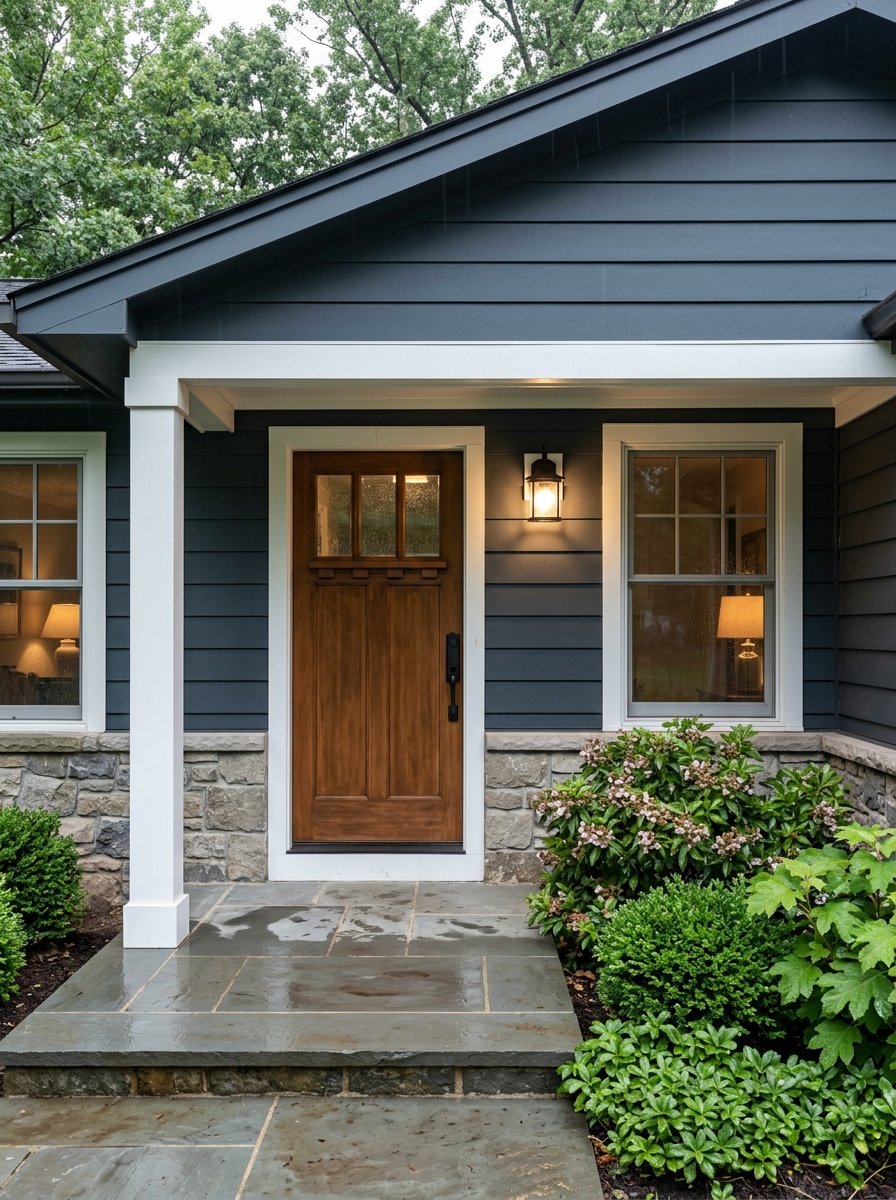
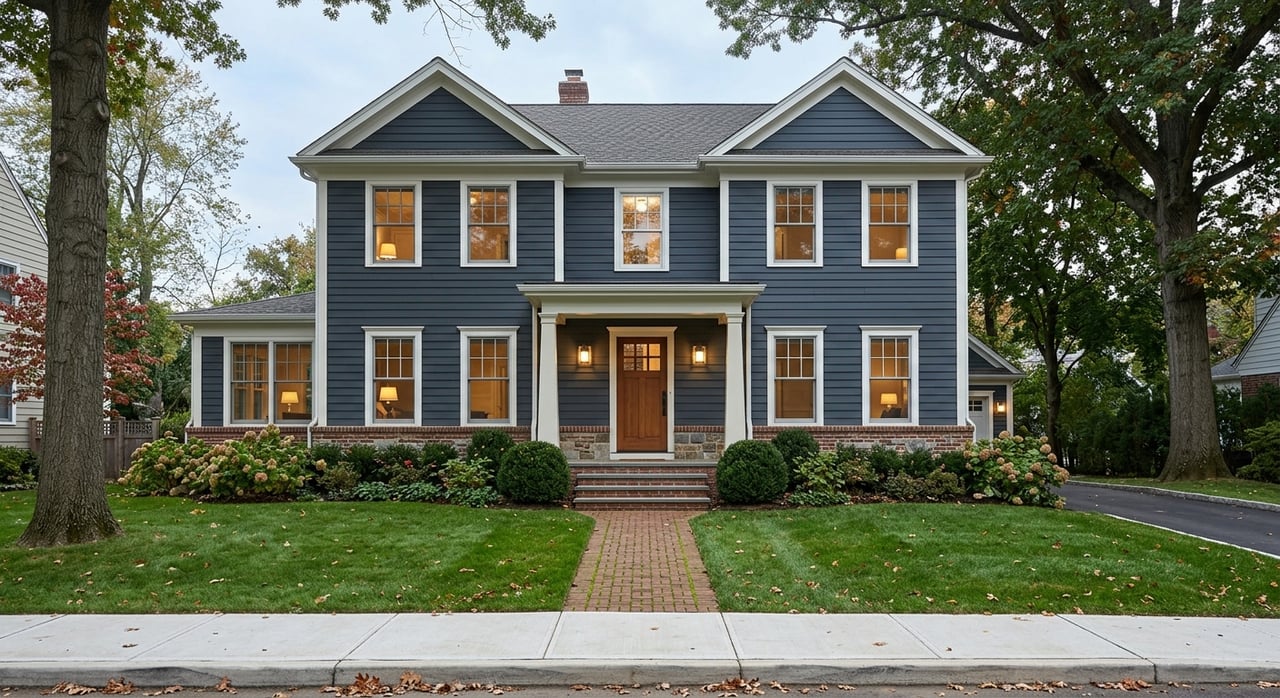
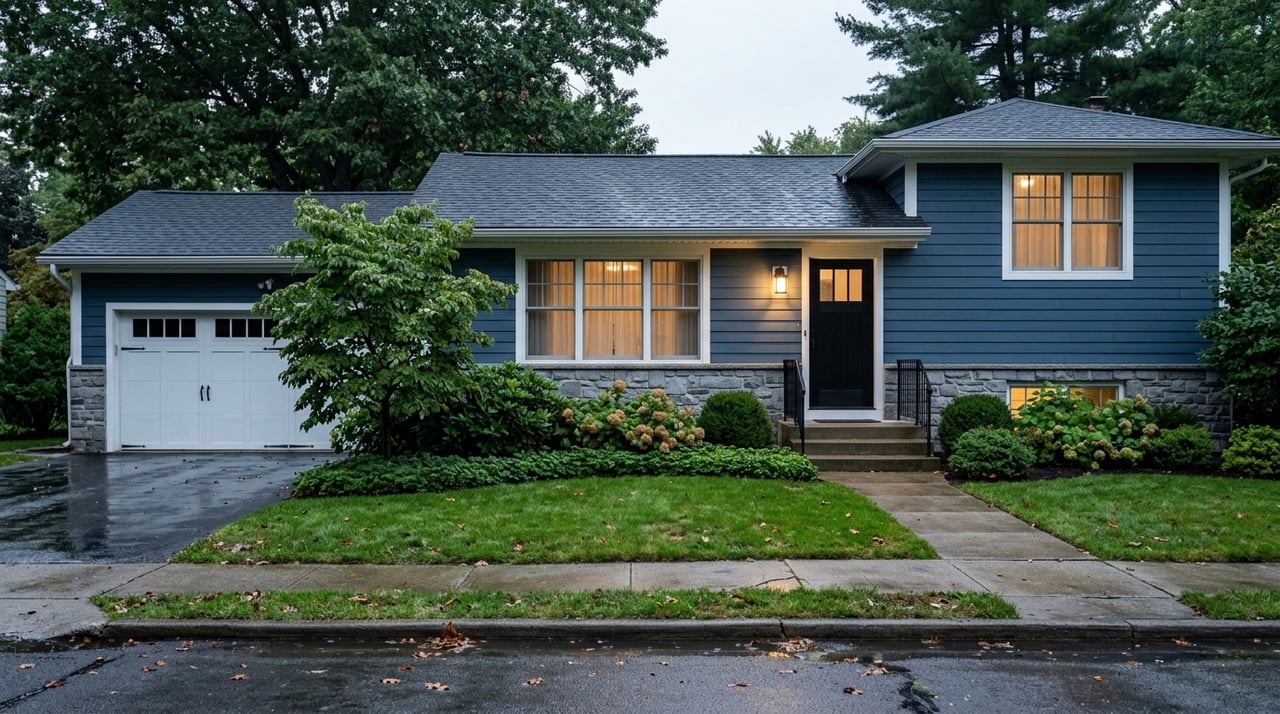
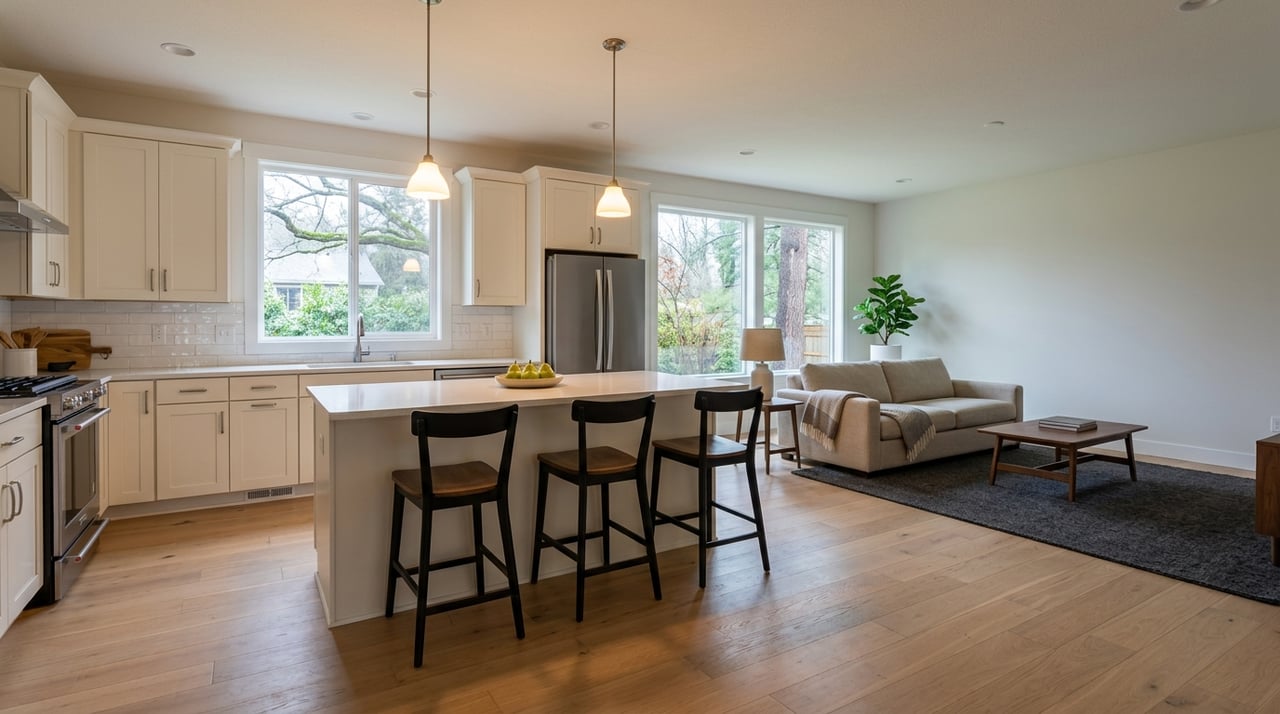
A clean, well-prepared home helps buyers focus on the space instead of the to-do list. If you can, complete small repairs, touch up worn areas, and make the home feel as open and cared for as possible.
This is also the stage to think about staging and photography. In a market where homes may move in just a few weeks, strong first impressions matter. Professional presentation can help your home stand out from the start.
Gather records early
New Jersey’s Seller’s Property Condition Disclosure Statement asks for details about the home that many sellers need time to confirm. The form covers topics like roof age, basement moisture, sump pumps, additions or remodels, flood damage, and utility or sewage issues.
It also asks whether proper permits and approvals were obtained for changes to the property. If you have warranties, permits, invoices, or repair records, pull those together before listing. Doing this early can make the disclosure process easier and reduce delays once a buyer is interested.
Know your New Jersey disclosures
In New Jersey, sellers are expected to disclose known material defects through the state disclosure form. The form makes clear that the seller is the source of the information and that it is not a substitute for a buyer’s inspection.
That means accuracy matters. If you know about a problem, it is better to address it honestly and early than to let it become an issue later in the transaction.
Lead-based paint rules
If your home was built before 1978, federal law requires lead-based paint disclosure before contract signing. Buyers must also be given the opportunity for an independent inspection, and the required lead-hazard pamphlet must be provided.
If you plan to do repainting or renovation work before listing an older home, lead-safe work practices may also apply. This is one reason to decide on pre-listing updates early.
Flood disclosure requirements
If your property has flood exposure, New Jersey requires sellers to disclose specific flood-risk information before the buyer becomes obligated under a contract. That includes whether the property is in FEMA’s Special Flood Hazard Area or Moderate Flood Hazard Area, if applicable.
If flood information applies to your home, it is smart to gather it before the listing goes live. Waiting too long can create avoidable back-and-forth once offers come in.
Smoke alarm compliance certificate
For one- and two-family dwellings, New Jersey requires a certificate of smoke alarm compliance before a sale. The certificate is obtained through the municipality and is valid for six months from issuance.
Because timing matters, this is not something you want to leave until the last minute. If the certificate expires before closing, you may need to renew it.
What happens in the first week
Once your home is live, the first several days usually move fast. This is when buyers are most likely to notice a new listing, schedule showings, and compare it to other homes currently on the market.
In Mount Laurel, where current data points to a two- to four-week selling window for many well-priced homes, those first seven to ten days carry extra weight. Strong photos, accurate pricing, and quick responses to showing requests can make a real difference.
This is also the period when seller expectations need to stay realistic and flexible. Some homes attract immediate interest, while others need a little more time or strategic adjustment. The key is to watch the response closely and make decisions based on market feedback.
From offer to attorney review
Accepting an offer is a major step, but in New Jersey it is not the final word right away. A broker-prepared contract of sale typically enters a three-business-day attorney review period after delivery of the signed contract.
During attorney review, either side’s attorney may propose changes, and the contract can still be voided. That makes this a meaningful stage of the transaction, not just a routine box to check.
For sellers, this means timing after acceptance can still shift. Clear communication and organized paperwork can help keep things moving during this stage.
Inspection and contract details
Once attorney review ends and the contract becomes binding, the buyer’s independent home inspection is usually scheduled soon after. If the inspection reveals defects, the contract will control how long the parties have to report issues and decide whether they will be corrected or addressed.
This is another reason pre-listing preparation matters. When you already have repair records, permit documentation, and disclosure details in order, it is often easier to respond to inspection questions with less stress.
Not every inspection issue becomes a deal problem. Still, it is wise to expect this stage to involve some negotiation and decision-making.
Contract to closing timeline
After the contract is binding, the closing timeline often depends on the buyer’s financing and how quickly the file moves through the remaining steps. For financed purchases, a typical closing period is often around 30 to 45 days after offer acceptance.
That said, closings can take several weeks, and delays do happen. One timing factor is that the buyer must receive the Closing Disclosure at least three business days before closing, so late loan changes can push the date.
For sellers, the best approach is to plan for some movement in the calendar. A target closing date is helpful, but flexibility can reduce stress if the timeline needs to shift.
Closing costs New Jersey sellers should expect
On closing day, New Jersey generally imposes the Realty Transfer Fee on the seller for recording the deed. This is a standard part of the seller side of closing costs and should be part of your planning from the beginning.
If you are a nonresident seller, New Jersey generally requires an estimated gross income tax payment of 2% of the consideration before or at closing, unless a waiver form applies. For transfers over $1 million, the state also applies an additional graduated percent fee schedule.
These are important details to understand early, especially if you are estimating net proceeds. A clear picture of your closing costs can help you make better decisions about pricing and timing.
Common delays sellers can avoid
Some of the biggest slowdowns in a New Jersey home sale are preventable. Most happen when paperwork or required items are handled too late in the process.
Here are a few of the most common issues to get ahead of:
- Missing disclosure details about the roof, basement, flood history, additions, remodels, or utility systems
- Missing permit, warranty, or repair documentation
- Lead-based paint disclosure needs for homes built before 1978
- Delays obtaining the municipal smoke alarm compliance certificate for one- and two-family homes
- Surprise questions about transfer taxes or nonresident seller tax requirements
If you prepare these items before listing, you give yourself a better chance at a smoother contract-to-closing timeline.
A simple selling timeline
If you want a practical view of the process, here is a straightforward Mount Laurel seller timeline based on current market conditions and New Jersey transaction steps:
Two to four weeks before listing
- Complete repairs, cleaning, decluttering, and staging
- Gather disclosure information and property records
- Pull permits, warranties, and repair receipts
- Confirm whether lead or flood disclosures apply
- Apply for the smoke alarm compliance certificate if needed
First week on market
- Launch with strong pricing and presentation
- Respond quickly to showing requests
- Watch buyer traffic and feedback closely
After offer acceptance
- Move through the three-business-day attorney review period
- Finalize contract terms if changes are proposed
Under contract to closing
- Prepare for the buyer’s home inspection
- Respond to any contract-based repair discussions
- Track the buyer’s financing timeline
- Plan for a closing window that is often 30 to 45 days after acceptance
Why local guidance matters
Selling a home in Mount Laurel is not just about putting a sign in the yard. You need a pricing strategy that fits the local market, a clean plan for disclosures and required documents, and steady support from listing through closing.
That is especially true in New Jersey, where attorney review, disclosure requirements, municipal certificates, and state closing costs can all affect your timeline. When you understand the steps in advance, you can make smarter decisions and avoid unnecessary stress.
If you are preparing to sell and want a more confident plan for your timing, pricing, and next steps, connect with Ashley Moorhouse for trusted local guidance and full-service support.
FAQs
How long does it take to sell a home in Mount Laurel?
- Current public market data suggests a well-priced Mount Laurel home may go pending in roughly two to four weeks, though timing can vary based on price, condition, and buyer demand.
What disclosures are required when selling a home in New Jersey?
- New Jersey uses a Seller’s Property Condition Disclosure Statement to report known defects or problems, and additional disclosures may apply for lead-based paint or flood risk depending on the property.
What is attorney review in a New Jersey home sale?
- In a broker-prepared New Jersey contract, there is typically a three-business-day attorney review period after delivery of the signed contract, and either side’s attorney may propose changes or void the contract during that time.
What should I prepare before listing a Mount Laurel home?
- You should prepare the disclosure statement, permit and repair records, warranties, flood or lead information if applicable, and the smoke alarm compliance certificate for one- and two-family dwellings.
What closing costs should New Jersey home sellers expect?
- New Jersey sellers generally pay the Realty Transfer Fee at closing, and nonresident sellers may also need to make an estimated gross income tax payment unless a waiver applies.