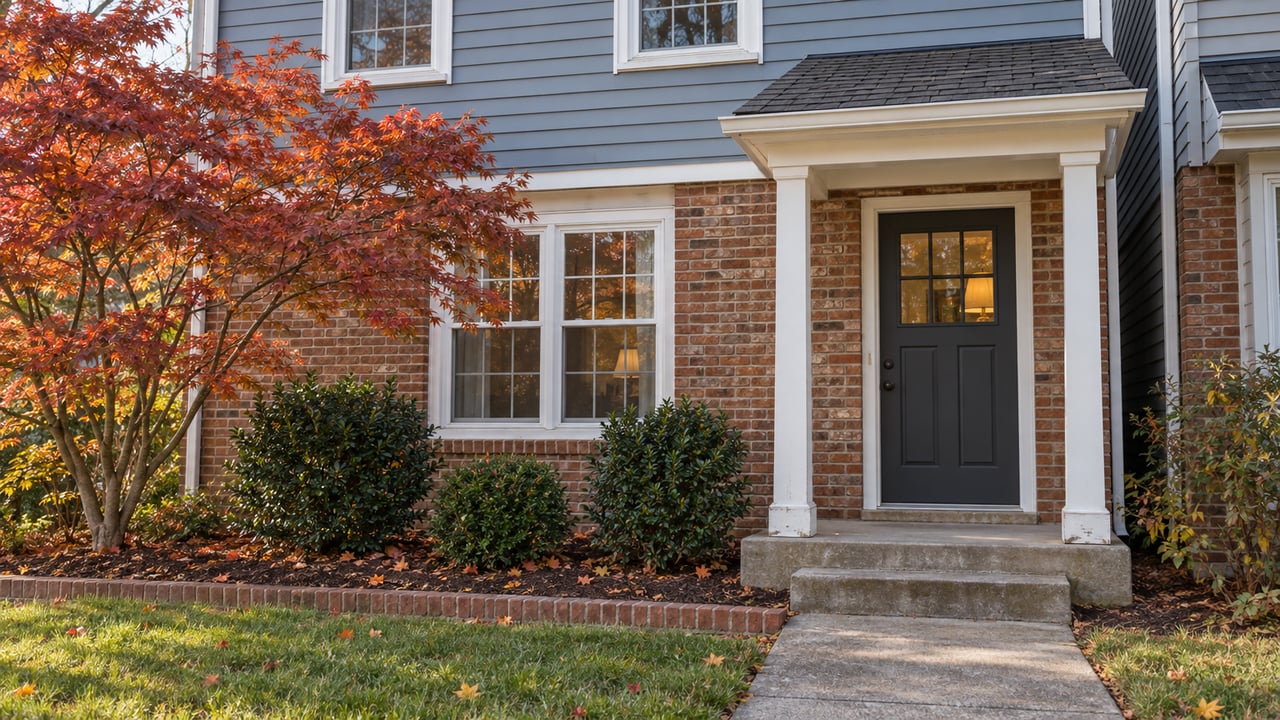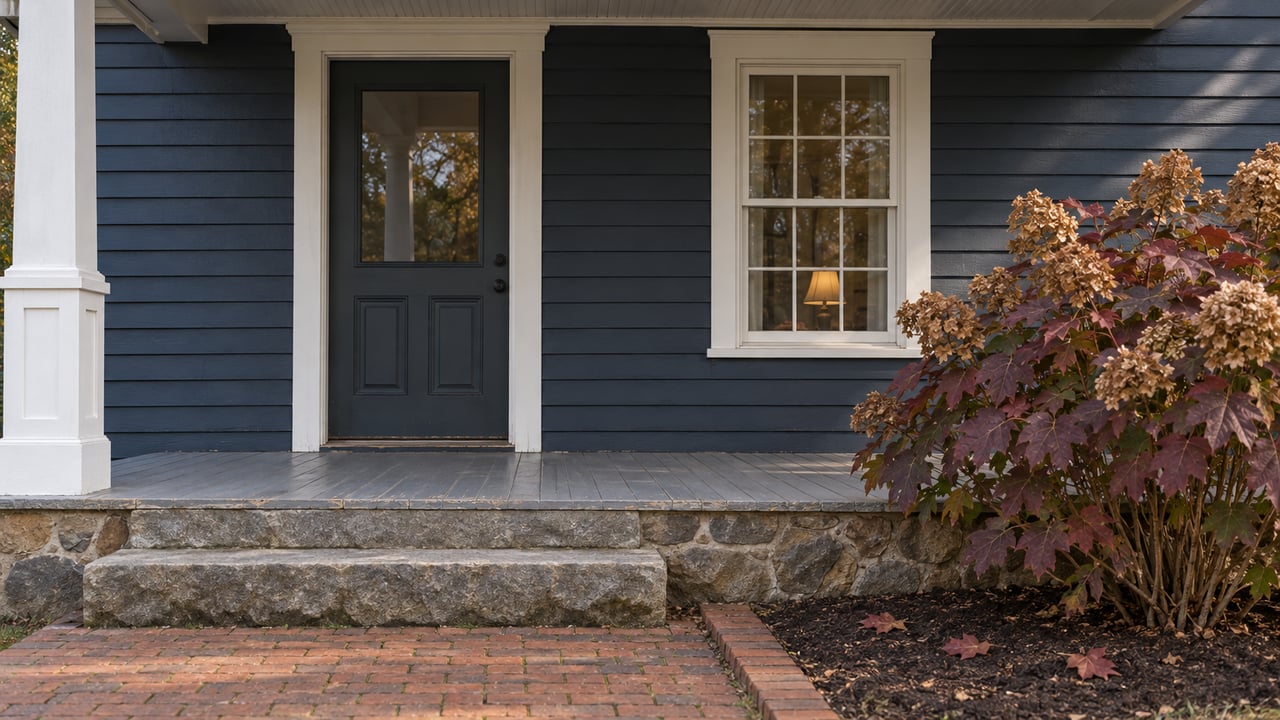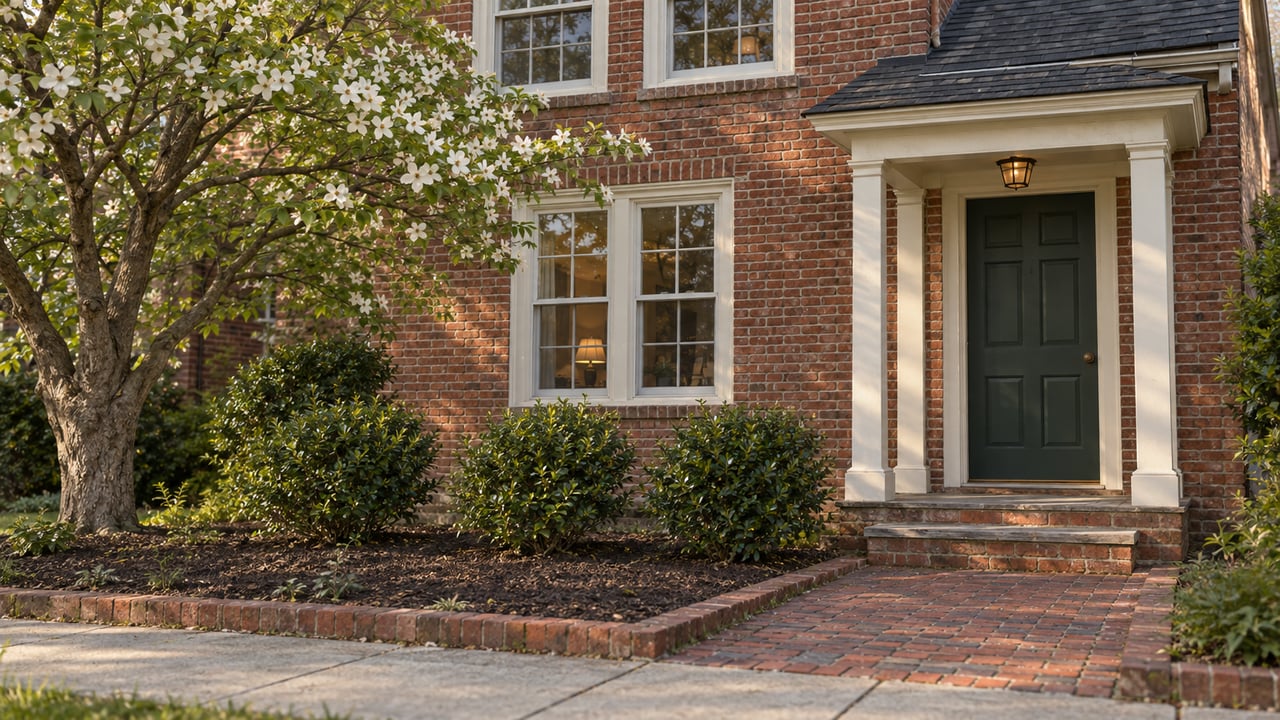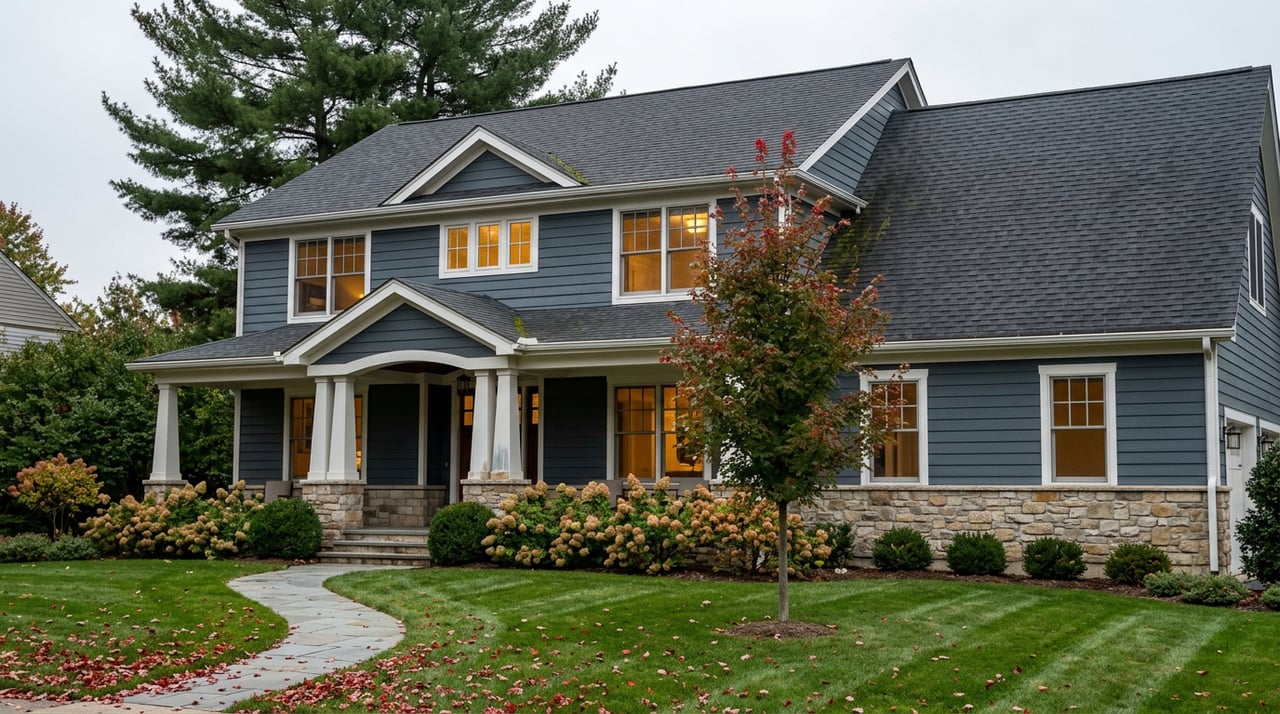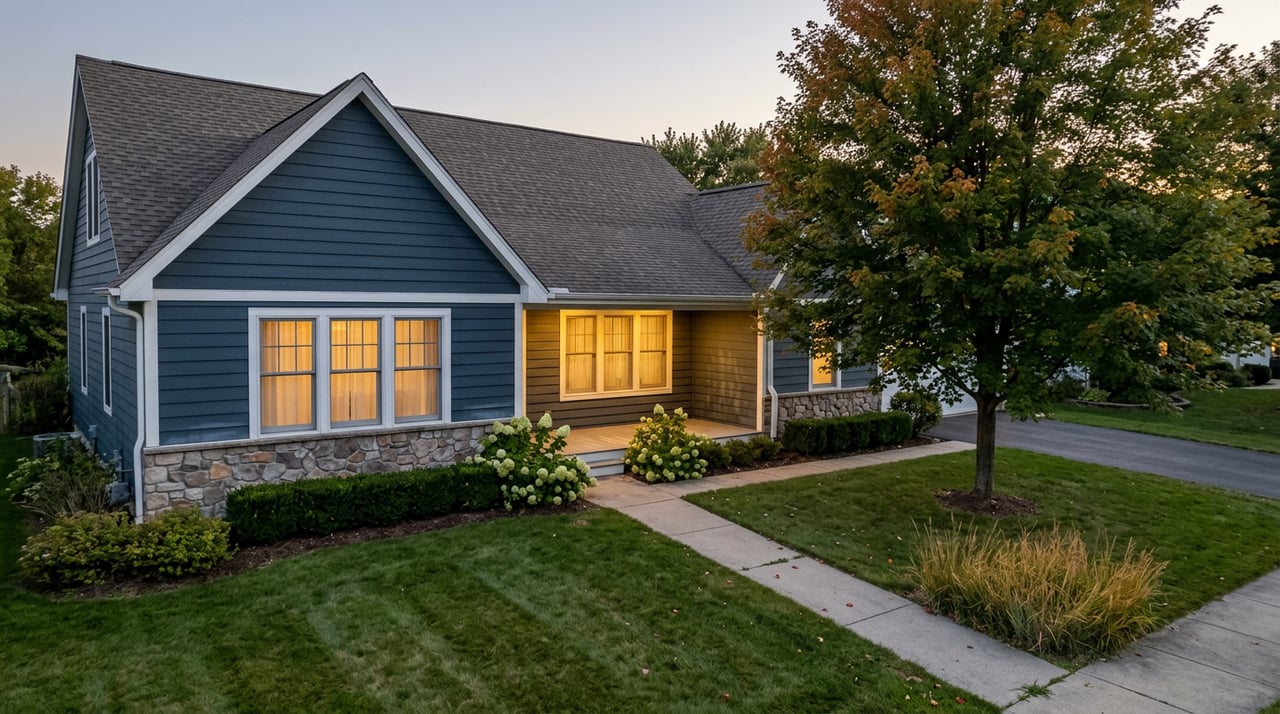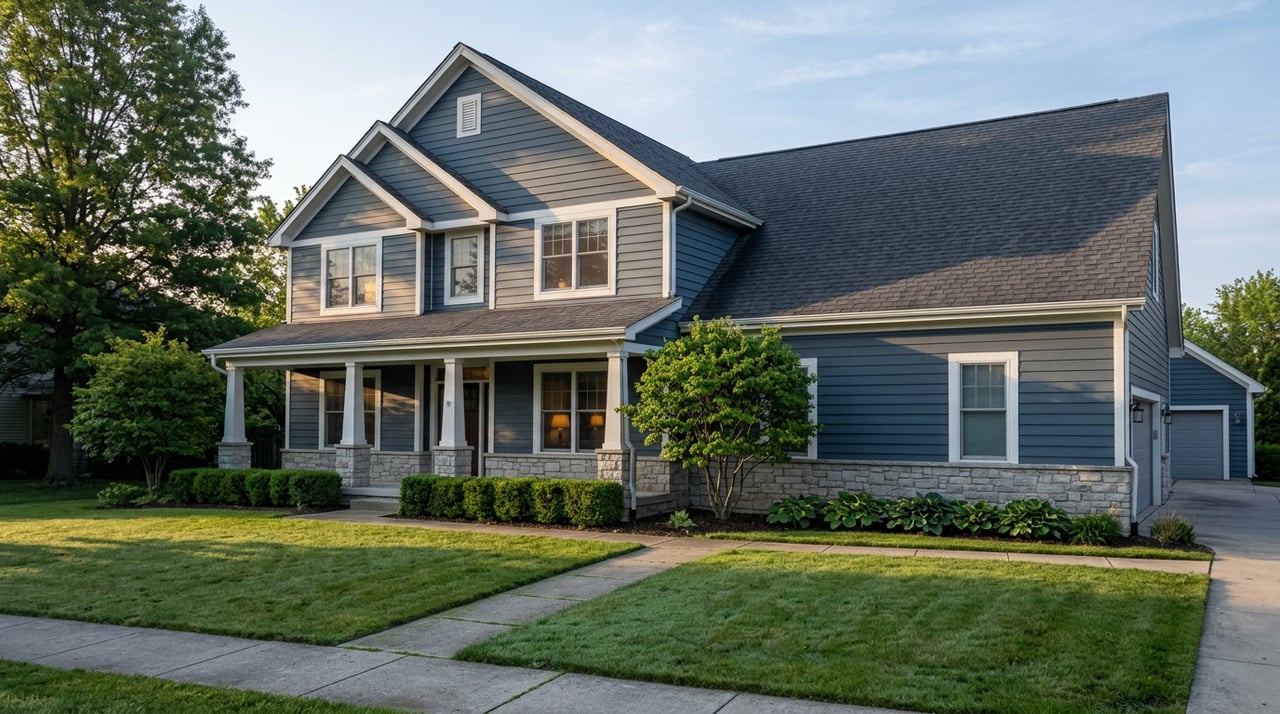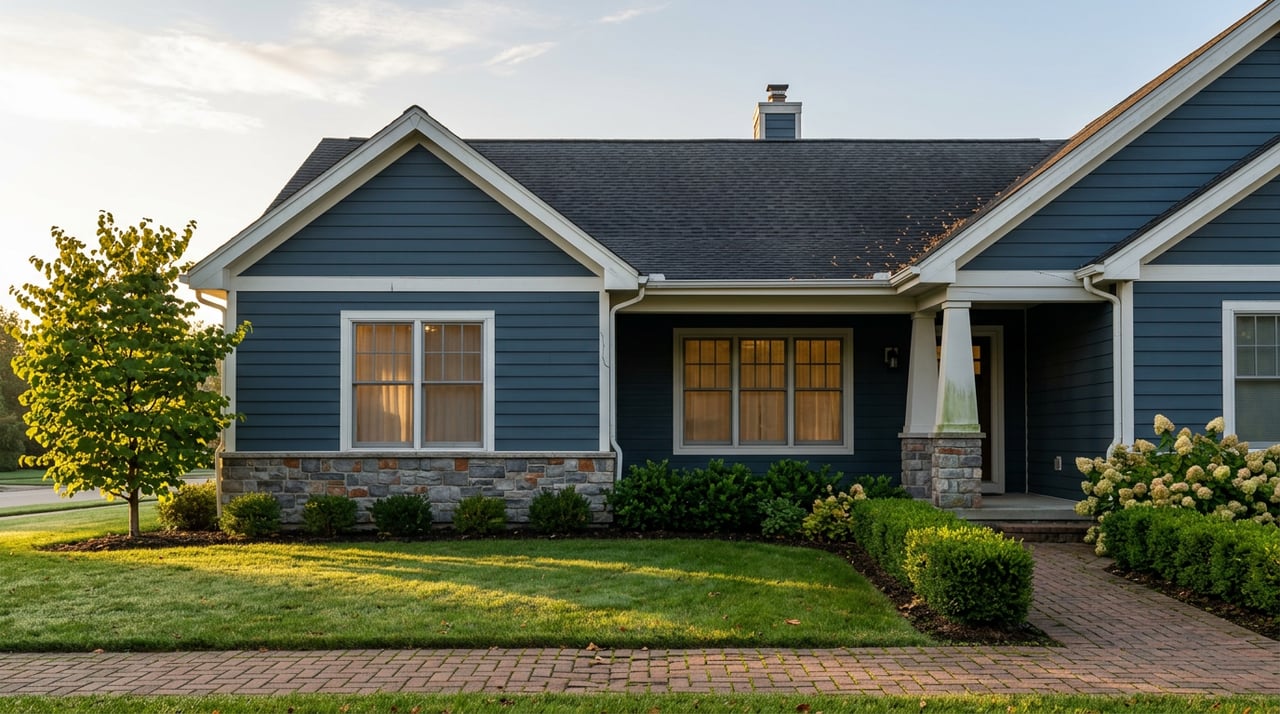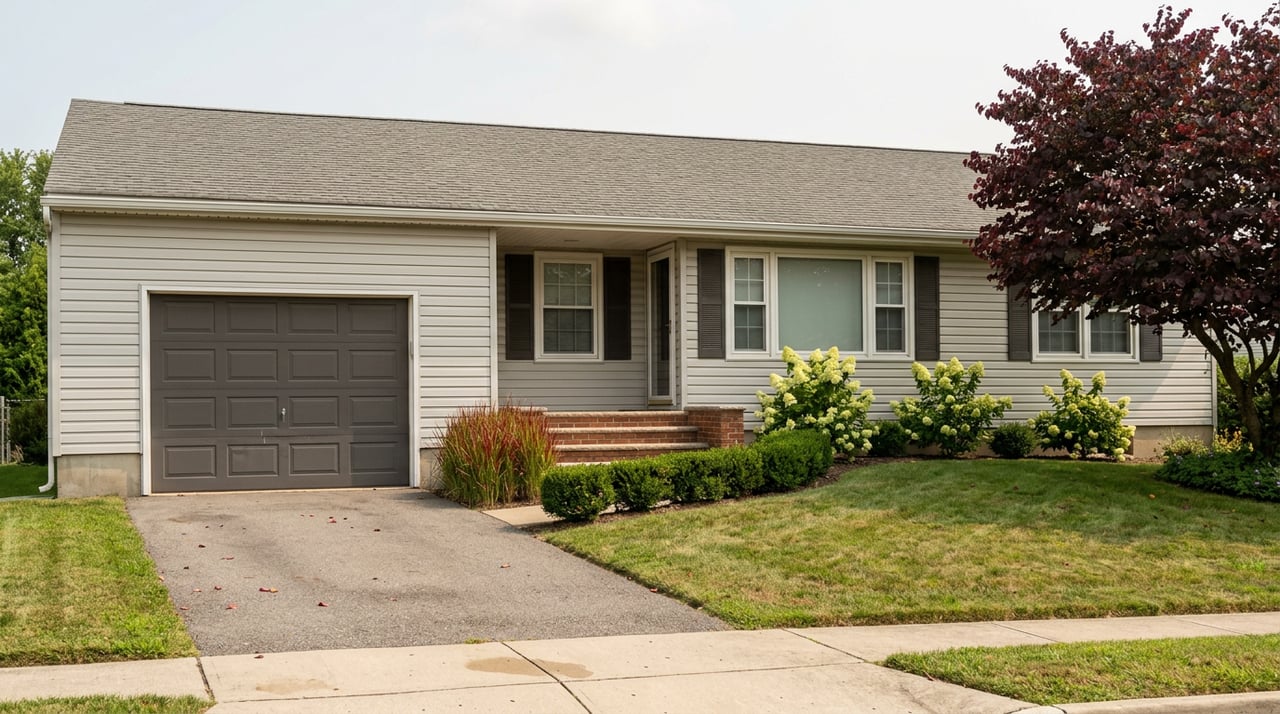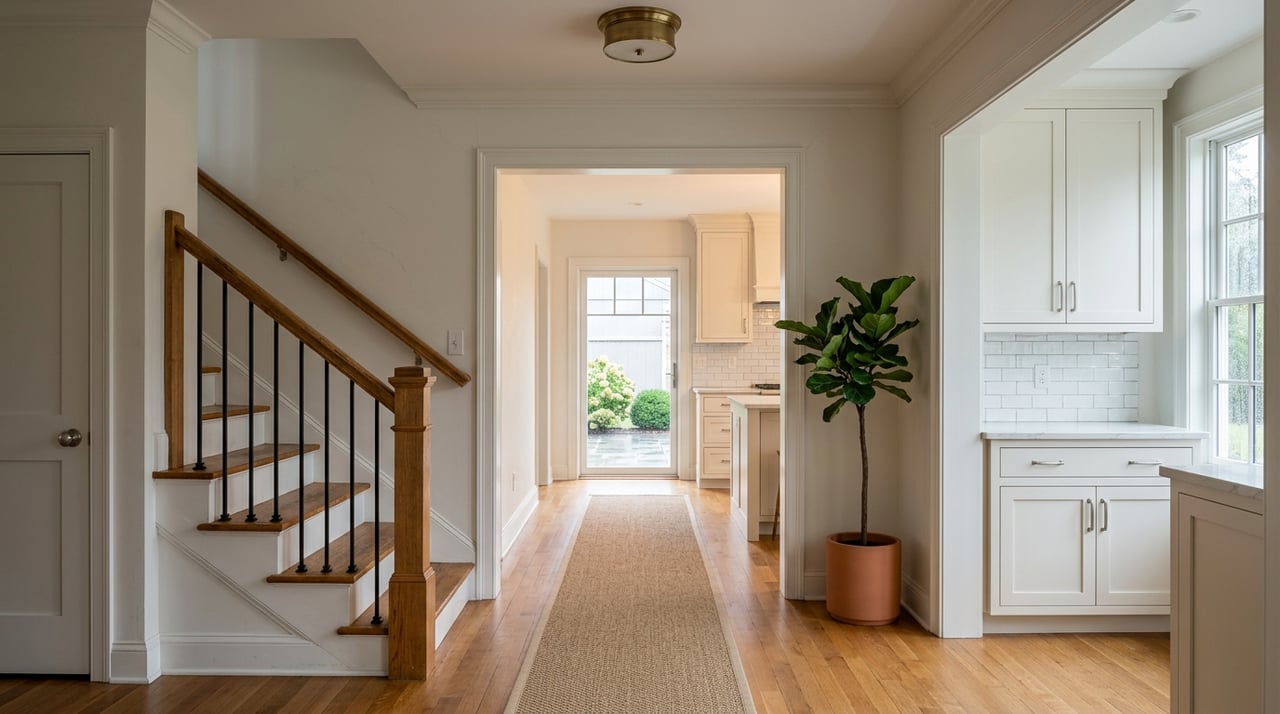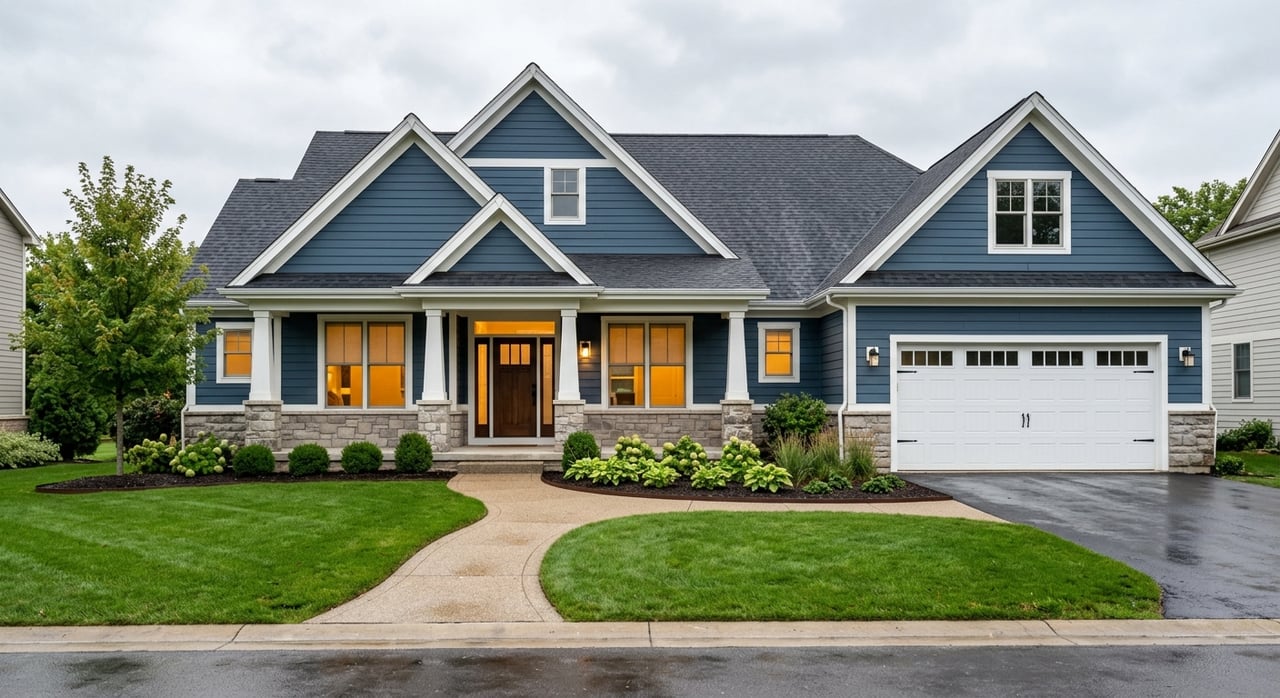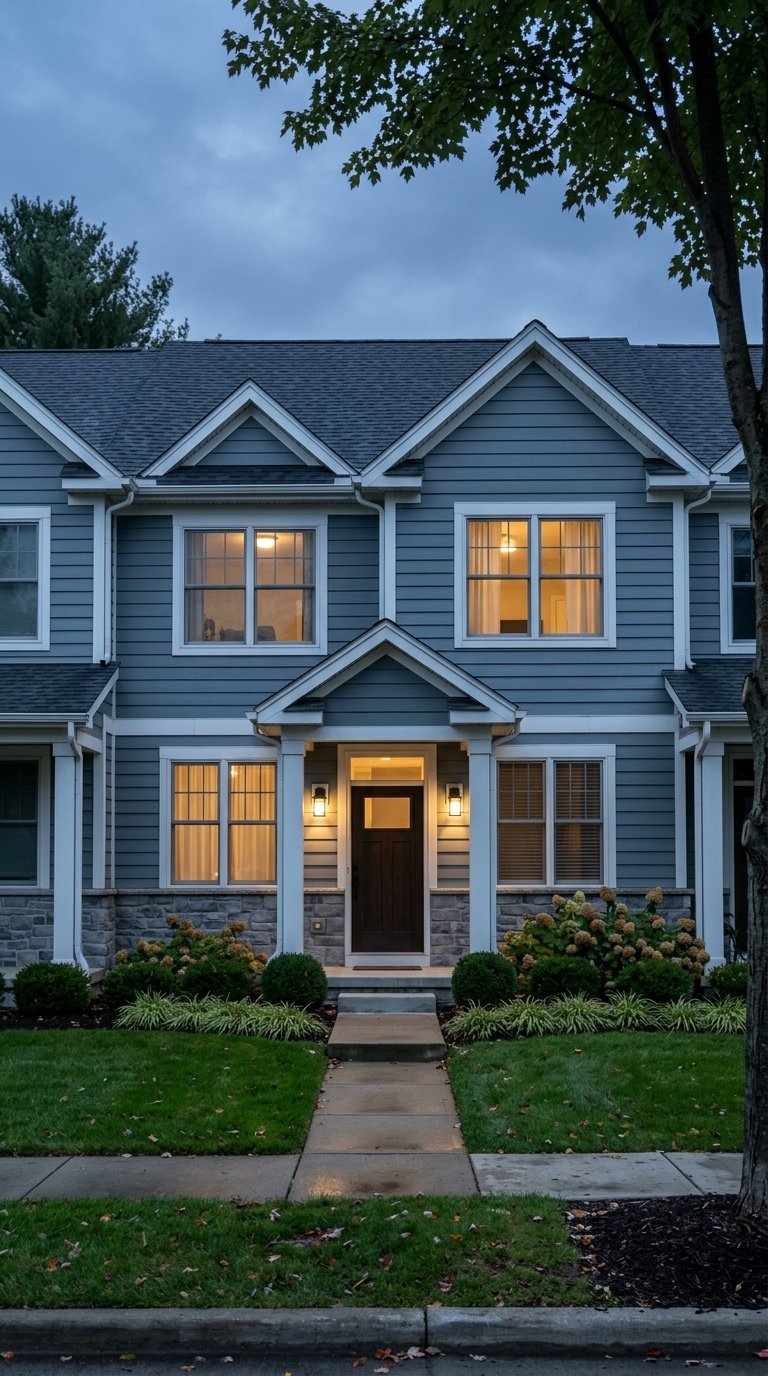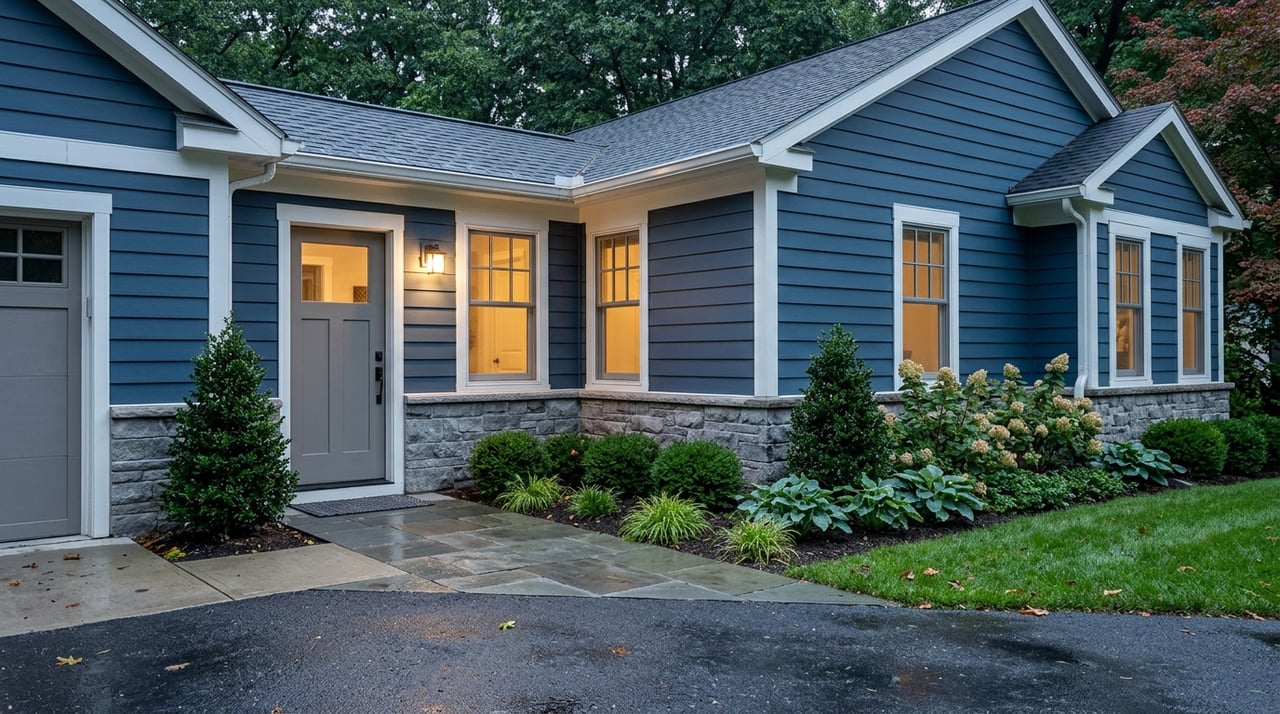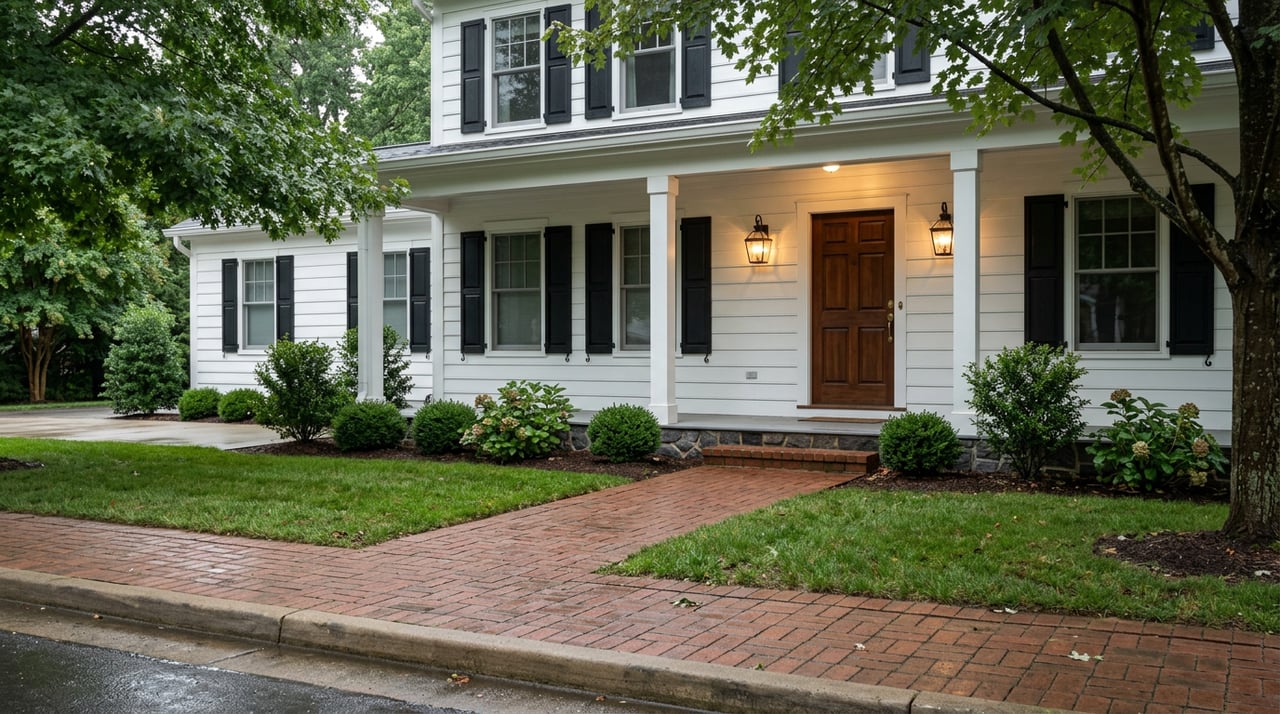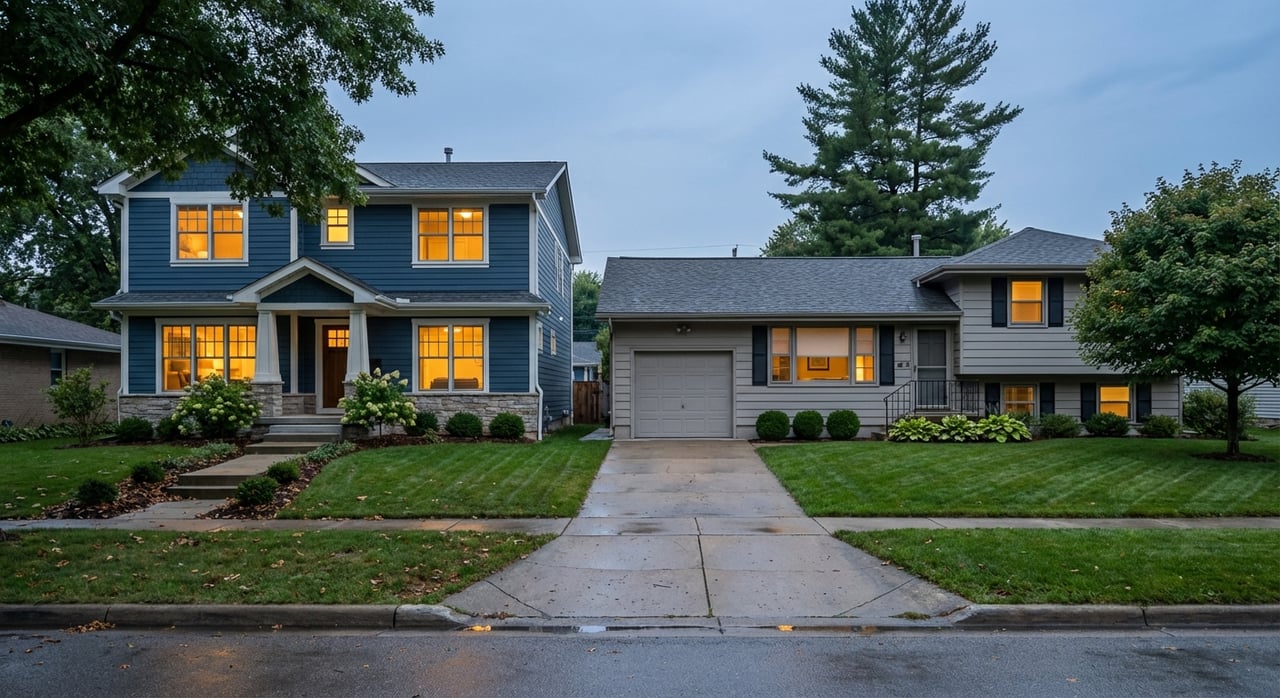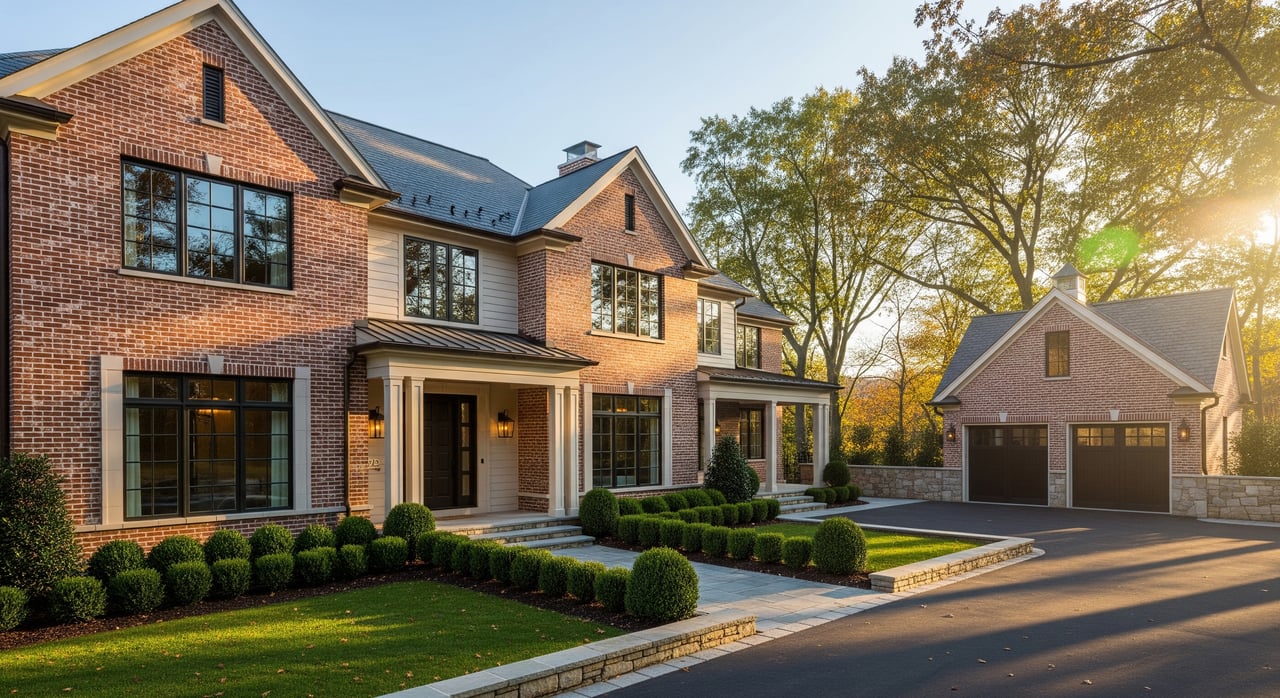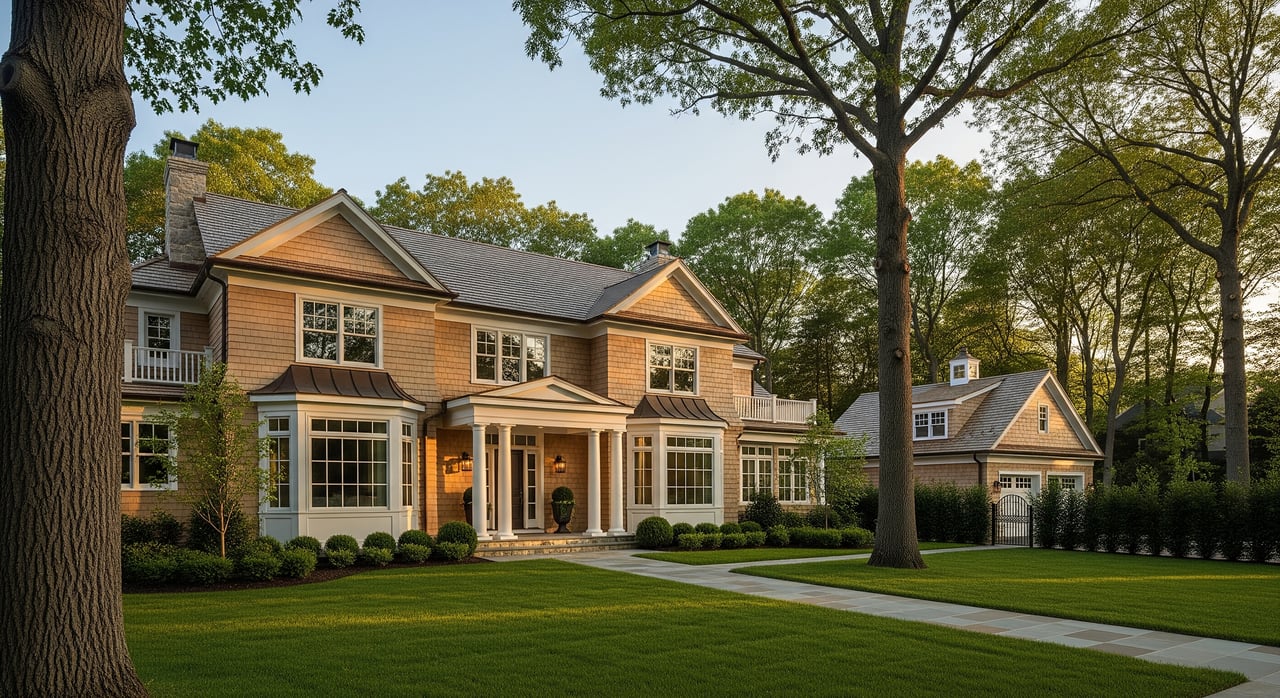
If you own an older home in Haddonfield or Haddon Heights, you already know its charm can be a major selling point. What many sellers underestimate, though, is that character alone does not drive the best outcome. In these two boroughs, buyers notice original details, but they also pay close attention to condition, maintenance history, and whether past exterior work followed local rules. That is why a smart sale starts with preparation, not just pricing. Let’s dive in.
Why older homes sell differently here
Older homes in Haddonfield and Haddon Heights compete on more than square footage. In both towns, historic character can add appeal, but buyers still compare roof condition, windows, porches, masonry, and overall upkeep. They also want confidence that visible exterior changes were handled correctly.
Local market data also shows why strategy matters. Over the three months ending May 2026, Redfin reported a median sale price of $879,474 in Haddonfield with a median 20 days on market, compared with $440,736 in Haddon Heights and a median 12 days on market. That gap means sellers need a town-specific plan, especially when pricing an older property with unique condition or district considerations.
Even within Haddonfield, values can vary meaningfully. Redfin’s Haddonfield Historic District data showed a recent median sale price of about $655,000, which suggests that district location, lot characteristics, and condition can all affect value. For you as a seller, that means your home’s story needs to be supported by the right documentation and presentation.
Historic rules affect your prep work
Haddonfield exterior changes
Haddonfield’s historic district is an overlay zone, and exterior work on a historic landmark or a property in the district generally requires a certificate of appropriateness review before the work is done. The Historic Preservation Commission makes a recommendation, and the Planning Board or Board of Adjustment gives approval. Applications may require photos, a written scope of work, material details, proof that certain features cannot be repaired, and historical documentation.
That matters if you are thinking about pre-listing updates. A last-minute exterior replacement project may not be as simple as calling a contractor and getting started. If work was done previously, buyers may also want to see that it was reviewed and approved when required.
Haddonfield’s standards focus on compatibility in size, scale, color, materials, and roof form. The borough specifically discourages sandblasting, favors keeping original windows when feasible, and says original roof shape, pitch, and material should be retained. It also states that vinyl siding is not an acceptable alternative in the historic district.
Emergency repairs are treated differently, but they are not exempt from everything. Haddonfield allows emergency work needed for habitability or safety without prior HPC approval, yet the work still must meet borough codes and then go through the historic review process afterward. If you have handled an emergency repair, make sure your records are organized before listing.
Haddon Heights exterior changes
Haddon Heights also has a Historic Preservation Commission, and its review applies to development applications and building permits affecting designated landmarks or properties in a historic district. Borough materials say the review covers exterior changes that are visible to the public. Interior changes do not require approval under the ordinance.
The borough’s guide gives clear examples of projects that should be submitted for review. These include roofing, windows or doors, additions, siding, facade work, gutters, porch repair, demolition or relocation, subdivision or site plans, and signs. If your home falls within a district or is otherwise designated, those categories should be part of your pre-listing checklist.
Haddon Heights also says applicants should begin with the Service Operations Facility, and some applications may need photos or drawings from a design professional. The borough notes that the HPC is available for consultation, which can be helpful if you are trying to decide whether a repair is straightforward maintenance or a visible alteration that needs review.
What to preserve before listing
When you sell an older home, the goal is not to make it look brand new. The goal is to show buyers that the home has been cared for and that its original features still work with modern living. In both Haddonfield and Haddon Heights, local standards point sellers toward preservation-minded upkeep rather than dramatic exterior reinvention.
In Haddonfield, the code specifically favors repairing original windows, keeping decorative roof elements and rooflines, matching porch flooring, and using gentle cleaning methods for masonry. That suggests your original millwork, porch details, and brick or stone surfaces may be more valuable preserved than replaced with generic modern materials.
Haddon Heights takes a similar view for visible exterior changes. Its guide is built around protecting historic character and property values, so the safest pre-listing projects are often in-kind repairs, careful repainting, and routine maintenance that does not change the home’s exterior profile.
Best pre-listing updates for older homes
If you want to improve presentation without creating avoidable review issues, focus on projects like these:
- Repairing rather than replacing original exterior features when feasible
- Repainting with attention to existing architectural details
- Fixing porch wear, loose trim, or damaged gutters in a compatible way
- Cleaning and maintaining masonry with gentle methods
- Organizing permits, approvals, invoices, and contractor records
This type of work helps buyers feel that the house has been respected, not stripped of what makes it special.
Documentation can strengthen buyer confidence
For older homes in these boroughs, paperwork matters almost as much as presentation. Buyers may love original character, but they often become cautious when they see visible updates without a clear paper trail. That is especially true for roofs, porches, siding, windows, and additions.
A well-prepared seller should try to gather:
- Historic review approvals, if applicable
- Building permits and final approvals, if applicable
- Contractor invoices and repair records
- Product or material information for exterior work
- Any documentation showing why repair was not feasible for replaced features
This does not just keep the transaction organized. It also supports the story that your home is historically intact, well maintained, and responsibly updated.
Disclosures matter more with older homes
New Jersey requires residential sellers to use the updated Seller’s Property Condition Disclosure Statement, and that form now includes flood-risk questions. The state says sellers must disclose known flood history and whether the property is in a FEMA flood hazard area before a sales contract is signed. If you know of prior flooding or related issues, that information should be handled carefully and clearly.
Lead-based paint is another major issue for older homes. If your home was built before 1978, you must disclose any known lead-based paint and lead-based paint hazards, provide the lead disclosure form, and share any related records or reports you have.
These are not minor details to deal with later. Buyers of older homes often ask direct questions about environmental concerns, prior repairs, and water history early in the process. Clean, complete disclosure helps reduce surprises that can delay or derail a sale.
Inspections and closing items to expect
Older homes tend to bring more scrutiny during due diligence, and that is normal. New Jersey’s consumer guidance notes that a transaction may involve termite inspection, land survey, well testing, septic certification, flood search, radon testing, smoke detector certification, and a certificate of occupancy, depending on the property.
These items matter because older homes can reveal moisture, drainage, pest, or life-safety issues that newer homes may not show as often. You do not need to panic about that, but you do need to plan for it. The more proactive you are before listing, the smoother your negotiations are likely to be.
New Jersey seller item to remember
At deed recording, New Jersey requires GIT/REP forms. If you are a nonresident seller, you may also need to make an estimated gross income tax payment unless you qualify for an exemption. This is the kind of closing detail that is easier to manage when your transaction plan is built early.
Pricing an older home takes nuance
Because values in Haddonfield and Haddon Heights differ so widely, older-home pricing needs more than a simple price-per-square-foot formula. In these towns, condition, district status, exterior integrity, and documentation can all influence how buyers react.
A house with strong original details, sensible updates, and organized records may attract a very different response than a similar-sized home with unclear repairs or visible changes that raise questions. Buyers often pay for confidence as much as they pay for charm.
That is why presentation and positioning matter so much. Your home’s age should be framed as an asset, but only when the systems, maintenance, and paperwork support that message.
How to prepare for a smoother sale
If you are getting ready to list an older home in Haddonfield or Haddon Heights, start with a focused plan:
- Confirm whether your property is in a historic district or otherwise subject to local review.
- Review any past exterior work and gather approvals, permits, and invoices.
- Prioritize repairs that preserve original features and maintain exterior compatibility.
- Prepare for buyer questions about flood history, lead, and visible upgrades.
- Organize the home so its condition and character are easy to understand.
That kind of preparation can help you avoid delays, answer objections quickly, and market the home with more confidence.
Selling an older home here is rarely about making it look newer. It is about showing buyers that the home’s character has been preserved, its condition has been cared for, and its history has been handled responsibly. If you want expert help creating that strategy, Ashley Moorhouse can guide you through pricing, preparation, marketing, and the details that matter most.
FAQs
Do older homes in Haddonfield need approval for exterior work?
- In many cases, yes. Haddonfield’s historic district rules generally require a certificate of appropriateness review for exterior work on properties in the district, with limited exceptions such as certain emergency repairs.
Do older homes in Haddon Heights need historic review for window or roof changes?
- If the property is a designated landmark or in a historic district, Haddon Heights says visible exterior changes such as roofing, windows, doors, siding, and porch repair should be submitted for review.
Should you replace original windows before selling an older home?
- Not automatically. Haddonfield specifically favors retaining original windows when feasible, and in both towns buyers may respond better to well-maintained original features than to generic replacements.
What should sellers disclose for an older home in New Jersey?
- Sellers must complete New Jersey’s property condition disclosure, including flood-related questions, and for most pre-1978 homes must disclose known lead-based paint and lead hazards and provide any related records they have.
What inspections matter most when selling an older home in New Jersey?
- Depending on the property, buyers and closing parties may look at termite inspection, survey, well testing, septic certification, flood search, radon testing, smoke detector certification, and certificate of occupancy requirements.
How should you price an older home in Haddonfield or Haddon Heights?
- Pricing should reflect more than size. In these towns, condition, historic district status, visible maintenance, documentation, and presentation can all shape buyer demand and value.